 NeoBit Daily
Introduction
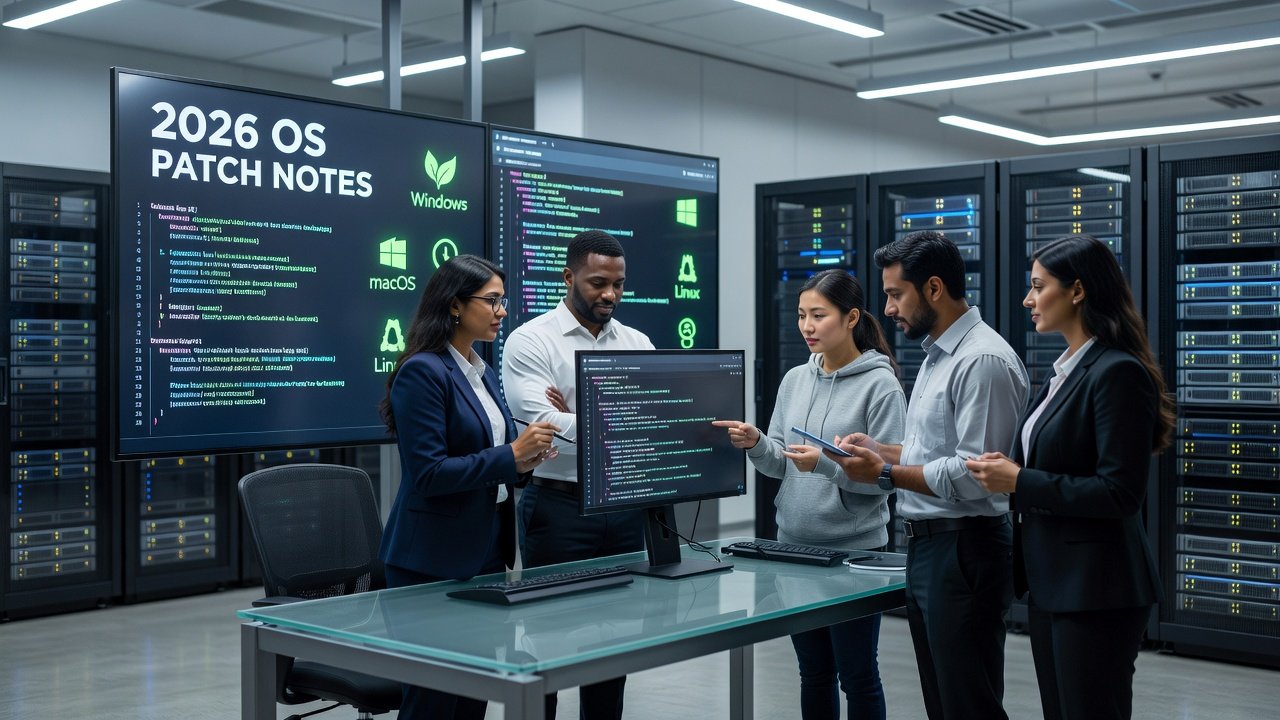
IT teams face mounting pressure to reduce data center power consumption while maintaining performance. The 2026 operating system updates from major vendors introduce targeted energy efficiency improvements that directly address these challenges. These patches focus on smarter power management, hardware-level tweaks, and reduced cloud workload overhead, helping organizations meet sustainability targets without sacrificing productivity. As enterprises scale their digital operations, even small percentage gains in efficiency can translate into substantial annual savings and lower carbon footprints. This article examines the specific optimizations in the latest Windows, macOS, and Linux releases, provides actionable guidance for scanning release notes, and shares methods to quantify post-update impact. By understanding these changes in depth, IT professionals can make informed decisions that align technical performance with environmental responsibility.
Key Energy Optimizations Across Major Operating Systems
Windows Server and Client Updates
Microsoft’s 2026 patches emphasize dynamic voltage and frequency scaling enhancements. The updates refine the Windows kernel scheduler to better align CPU states with actual workload demands, reducing idle power draw by up to 18 percent in mixed enterprise environments. Additional improvements include optimized NVMe storage power states and more aggressive memory compression that lowers RAM voltage requirements during low-activity periods. These changes also extend to virtualization layers, where Hyper-V now intelligently throttles resources for idle virtual machines, preventing unnecessary power consumption across clustered hosts. IT teams managing mixed Windows environments benefit from new group policy templates that allow granular control over power plans, enabling department-specific settings that prioritize efficiency during non-business hours.
macOS Sequoia Energy Features
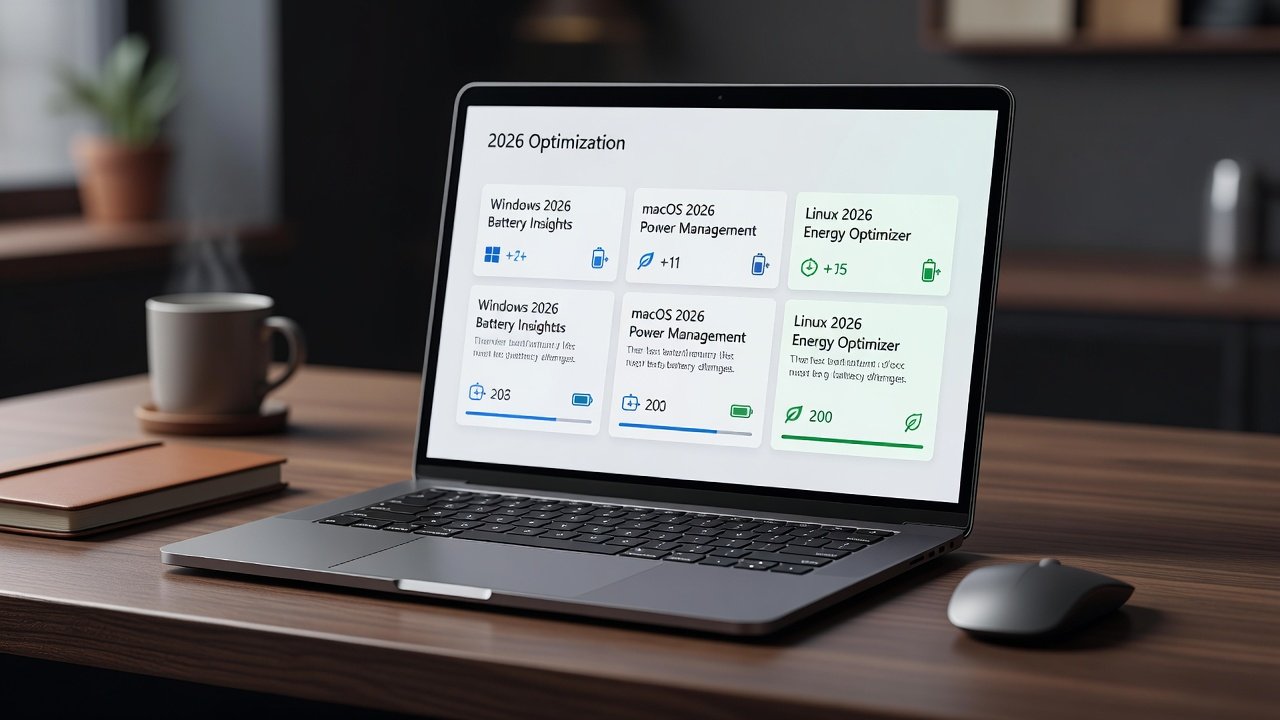
Apple’s latest macOS release introduces enhanced App Nap algorithms and improved Metal graphics power gating. These changes allow background processes to enter deeper sleep states faster while maintaining instant responsiveness for foreground tasks. The updates also improve integration with Apple Silicon’s efficiency cores, automatically routing lightweight tasks to lower-power cores. For organizations with large fleets of Mac devices, the new Energy Saver dashboard provides real-time visibility into per-app consumption, making it easier to identify and optimize resource-heavy applications. Additionally, the updates refine Bluetooth and Wi-Fi power management, reducing wireless radio activity when devices are stationary and connected to power sources.
Linux Kernel 6.12+ Improvements
The 2026 Linux kernel updates deliver refined CPU idle governors and better support for modern hardware power interfaces. Notable additions include improved handling of Intel and AMD’s latest efficiency modes, plus enhanced eBPF-based monitoring that lets administrators track power usage at the process level without significant overhead. Cloud-native deployments see particular advantages through optimized container runtime interactions, where the kernel can now suspend entire namespaces more aggressively during periods of low demand. Distributions such as Ubuntu and Red Hat Enterprise Linux have backported these kernel features into their 2026 point releases, allowing enterprises to adopt the improvements without full operating system migrations.
Practical Steps for IT Teams to Scan Release Notes
Effective adoption begins with thorough review of patch documentation. Start by downloading official patch notes from vendor portals such as Microsoft, Apple, and kernel.org. Search for keywords including “power,” “energy,” “efficiency,” “idle,” and “sustainability” to quickly surface relevant sections. Next, map each feature to your current hardware inventory using asset management tools to identify which optimizations apply to existing servers, workstations, and endpoints. Prioritize updates that affect high-consumption workloads such as virtualization hosts and database servers, as these often deliver the largest measurable gains. Document expected power savings based on vendor benchmarks before deployment, and create a phased rollout plan that includes rollback procedures. Finally, establish cross-functional review meetings with sustainability officers to ensure technical changes support broader corporate environmental objectives.
Comparing Efficiency Metrics Before and After Updates
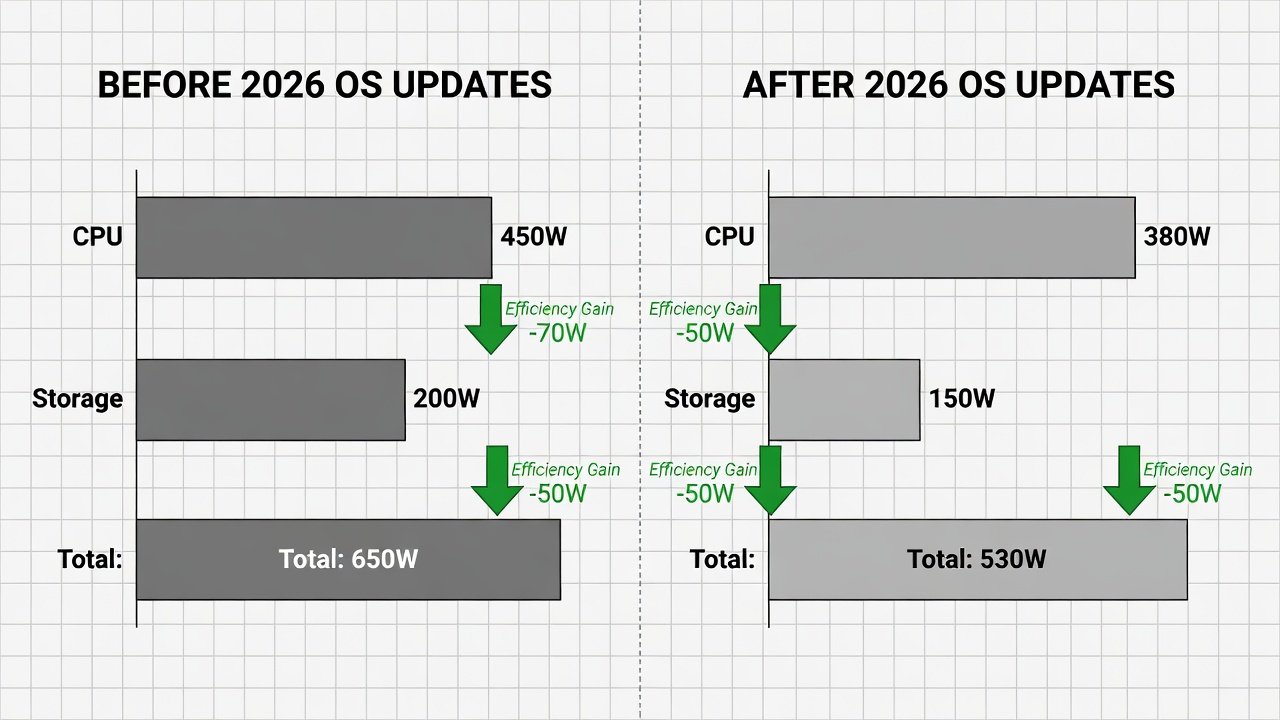
Enterprise deployments report measurable gains when comparing pre- and post-update performance. One financial services firm recorded average server power consumption dropping from 285 watts to 238 watts per node after applying the Windows 2026 cumulative update, measured across 1,200 systems over a four-week period. A media company running macOS fleets observed a 14 percent reduction in workstation energy use during off-peak hours, with the largest improvements seen on devices running multiple creative applications simultaneously. Linux-based cloud providers noted a 9 percent decrease in overall rack power draw following kernel upgrades, attributed to improved idle-state transitions and more efficient handling of bursty container workloads. These comparisons highlight the importance of establishing consistent monitoring baselines using standardized tools before any patching cycle begins.
Real-World Enterprise Deployment Examples
A European manufacturing company deployed the updates across 3,500 endpoints and 420 servers. Post-deployment monitoring showed a 22 percent drop in annual electricity costs for IT infrastructure, achieved through a combination of Windows scheduler improvements and Linux kernel optimizations on their mixed environment. Another organization in the healthcare sector used the new Linux power governors to fine-tune containerized workloads, achieving compliance with internal green IT policies while maintaining 99.99 percent uptime. In a third case, a North American retail chain applied macOS updates to 800 field devices and reported faster battery life on mobile units, reducing the frequency of charging cycles and extending hardware lifespan. Each example demonstrates that success depends on thorough testing, clear success metrics, and ongoing measurement rather than simply applying patches.
Checklist for Measuring Post-Update Energy Impact
- Establish baseline power readings using IPMI, Redfish, or vendor-specific tools before patching, capturing at least two weeks of normal operations.
- Deploy updates in a controlled pilot group representing 10–15 percent of total systems, ensuring representation across hardware generations and workload types.
- Monitor for two full business cycles, capturing peak and idle periods with automated logging to avoid manual errors.
- Calculate kWh differences and convert to carbon emissions using regional grid factors published by local utilities.
- Compare results against organizational sustainability KPIs and adjust monitoring thresholds if early data shows variance.
- Roll out to remaining systems only after confirming consistent savings and addressing any performance regressions.
- Schedule quarterly reviews to track sustained performance and identify any drift that may require additional tuning.
Potential Challenges and Mitigation Strategies
While the efficiency gains are compelling, IT teams may encounter compatibility issues with legacy applications or specialized hardware drivers. Mitigation involves maintaining detailed test matrices and leveraging vendor support channels early in the evaluation process. Another common challenge is inaccurate baseline data caused by seasonal workload variations; addressing this requires extending the monitoring window or using statistical normalization techniques. Finally, change fatigue among staff can slow adoption, so clear communication about both performance and sustainability benefits helps maintain momentum throughout the rollout.
FAQs on Compliance with Green IT Goals
Do these updates affect application compatibility?
Most 2026 efficiency patches maintain backward compatibility. IT teams should still test mission-critical applications in staging environments before broad deployment to avoid unexpected disruptions.
How do the changes support regulatory compliance?
The optimizations align with frameworks such as the EU Energy Efficiency Directive and U.S. federal sustainability mandates by reducing overall energy intensity without requiring hardware replacement, making them attractive for organizations reporting under ESG frameworks.
Can savings be verified independently?
Yes. Use open-source tools like PowerTOP on Linux or Windows Performance Toolkit to generate independent reports that support audit requirements and third-party verification processes.
What if my organization uses a hybrid cloud setup?
The OS-level improvements complement cloud provider efficiency features. Focus first on on-premises workloads where direct control is possible, then coordinate with cloud vendors on their 2026 instance optimizations for consistent gains across environments.
Conclusion
The 2026 operating system updates represent a significant step forward in sustainable IT operations. By systematically reviewing patch notes, piloting changes, and measuring results, IT teams can capture meaningful energy reductions while advancing broader environmental objectives. Implementing these optimizations now positions organizations for continued compliance and cost control in the years ahead, turning routine maintenance into a strategic sustainability advantage.

No comments yet. Be the first!