 NeoBit Daily
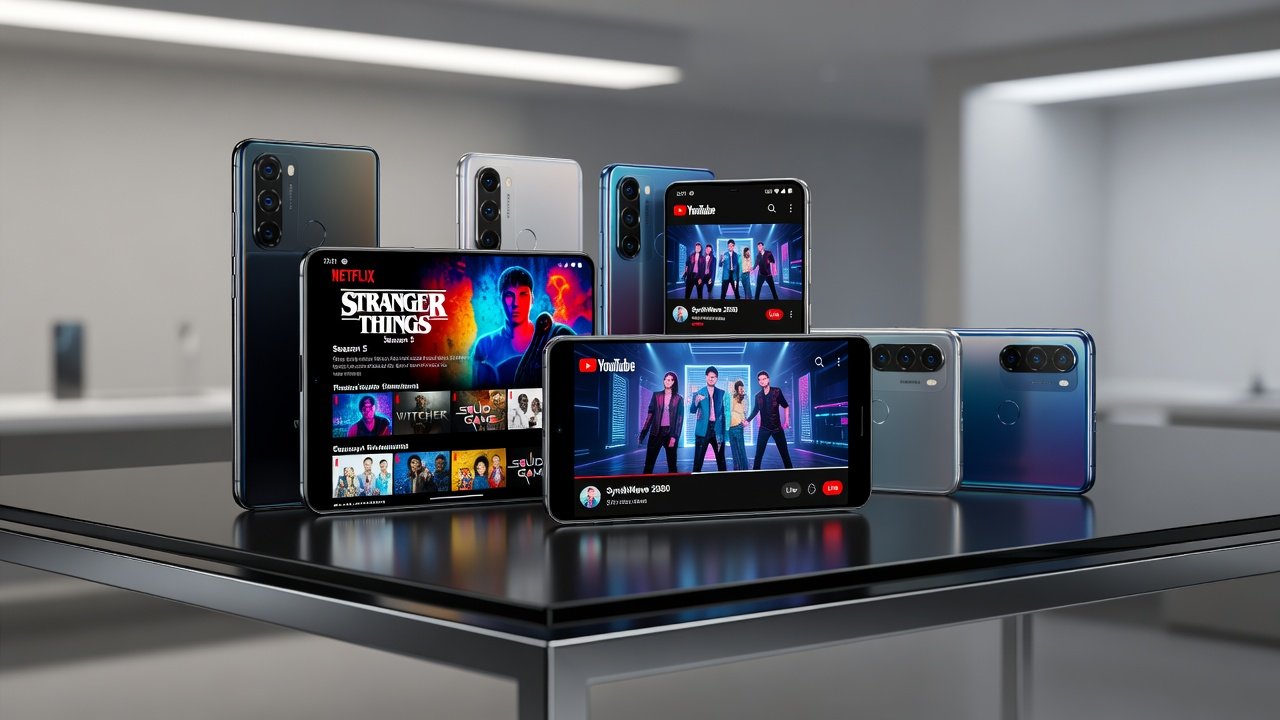
Introduction to Video Streaming on 2026 Smartphones
In 2026, smartphones serve as the go-to devices for media consumption, allowing users to enjoy hours of content from platforms like Netflix and YouTube on the go. This comprehensive review examines top models through the lens of video streaming performance, analyzing critical elements such as display resolution and refresh rates, audio output quality during playback, sustained performance without throttling under load, and battery drain during extended sessions. Whether you lean toward Android or iOS ecosystems, these insights help pinpoint devices that deliver truly immersive experiences without compromises in everyday use.
Streaming quality depends on hardware optimizations that handle high-bitrate videos smoothly. Consumers searching for smartphones optimized for media consumption will find practical value in understanding how these factors interact in real-world scenarios, from commuting with YouTube playlists to relaxing with Netflix series at home.
Display Resolution and Refresh Rates
Display technology forms the foundation of superior video streaming. Leading 2026 flagships incorporate resolutions up to 1440p or beyond paired with adaptive 120Hz refresh rates that ensure fluid motion during dynamic scenes. For instance, when watching action-packed Netflix originals, higher refresh rates minimize blur and enhance clarity, making fast movements appear seamless. iOS devices typically deliver exceptional color accuracy out of the box, calibrated for cinematic viewing, while Android options provide granular controls for enabling HDR10+ or Dolby Vision based on content type.
Practical examples from testing demonstrate that 120Hz panels outperform 60Hz alternatives by reducing judder in high-frame-rate YouTube videos. Users benefit from always-on adaptive features that conserve power when static images appear but ramp up for demanding streams, offering a balanced experience across varied lighting conditions.
Audio Output During Playback
Immersive audio complements visuals in any streaming setup. Modern smartphones feature tuned stereo speakers supporting advanced formats like Dolby Atmos, which creates spatial soundscapes ideal for movies and music videos. iPhone models emphasize vocal clarity and balanced tones suited to dialogue-heavy content, whereas Android devices from manufacturers like Samsung often boost low-end frequencies for more impactful cinematic effects. Integration with wireless earbuds further reduces latency, allowing uninterrupted private sessions whether on public transport or in quiet environments.
Testing reveals subtle differences in output levels and distortion at maximum volumes, guiding buyers toward models that match their audio preferences without external accessories.
Sustained Performance Without Throttling
Extended viewing sessions test a device's ability to maintain consistent performance. Advanced chipsets in 2026 models incorporate sophisticated thermal management systems that prevent overheating and frame rate drops during prolonged Netflix marathons or YouTube live streams. Real-world evaluations show some Android handsets experiencing mild throttling after roughly 45 minutes of continuous high-resolution playback, while iOS hardware sustains peak efficiency longer thanks to tighter software-hardware integration.
Apple hardware resources detail ongoing improvements in thermal architecture. Similarly, Samsung device specifications highlight vapor chamber cooling in flagship lines, ensuring reliable operation even under demanding conditions.
Battery Drain Under Continuous Streaming
Battery endurance directly impacts the feasibility of all-day media consumption. Efficient processors and large-capacity cells enable eight to ten hours of HD streaming on premium 2026 smartphones, though variables like screen brightness, network type, and background processes influence actual results. YouTube sessions at moderate settings typically yield better longevity than 4K Netflix streams due to lower processing demands. Users appreciate features such as intelligent power management that dynamically adjust based on content complexity.
Comparative data from controlled tests underscores the importance of selecting devices with proven endurance ratings for travel or extended commutes where charging opportunities are limited.
Hands-On Comparisons: Android vs iOS Models
Side-by-side evaluations between Android and iOS flagships in 2026 highlight distinct strengths for streaming enthusiasts. Android leaders such as Samsung Galaxy series excel in multitasking flexibility, allowing simultaneous app usage alongside video playback with customizable HDR toggles and robust external display connectivity. iOS devices distinguish themselves through ecosystem synergy, including seamless AirPlay casting and consistent optimization across video applications that reduces buffering incidents.
Netflix tests produce comparable visual fidelity on both platforms, yet YouTube benefits occasionally from Android's broader refresh rate options in specific scenarios. Key differences emerge in long-term support: Android offers more hardware variety, while iOS provides extended software updates tailored to media apps. Buyers prioritizing versatility may favor Android, whereas those valuing polish lean toward iOS.
- Android advantages include higher customization for video settings and broader codec support.
- iOS strengths encompass reliable performance consistency and intuitive casting features.
- Hybrid users appreciate cross-platform apps that maintain quality across ecosystems.
Simple Step-by-Step Testing Protocol
Anyone can conduct meaningful evaluations at home using this straightforward protocol:
- Install updated versions of Netflix and YouTube applications from official stores.
- Adjust display brightness to 50 percent and activate HDR where supported by content.
- Stream a 30-minute 4K video clip while monitoring for stuttering, heat buildup, or audio sync issues.
- Record battery levels before and after each session to calculate drain rates.
- Repeat tests over Wi-Fi and cellular data to assess network impacts on performance.
- Document findings across multiple devices for direct comparisons.
This approach yields personalized data that informs purchasing decisions based on individual habits rather than marketing claims alone.
Common Issues and Troubleshooting
Viewers frequently encounter challenges like inconsistent HDR activation or unexpected data consumption spikes. Enabling device-specific HDR settings and monitoring app preferences resolves most display inconsistencies. Data usage can be controlled via quality adjustments within each streaming service, preventing overages on limited plans. Overheating during outdoor use often improves with case removal or shade positioning.
Practical Buying Advice
Selecting a smartphone optimized for media consumption requires focusing on models featuring at least 120Hz displays, strong audio capabilities, and efficient batteries. Align choices with ecosystem preferences—Android for adaptability or iOS for streamlined experiences. Factor in storage needs to accommodate offline downloads for reliable streaming during travel, and review carrier promotions that bundle accessories enhancing the overall media setup.
FAQ
Does HDR support matter for streaming?
Yes, HDR dramatically improves contrast, color depth, and overall visual impact when viewing compatible Netflix or YouTube titles, delivering a more cinematic result on capable screens.
How much data does streaming use?
Standard HD streaming typically consumes 1 to 3 GB hourly, while 4K content can surpass 7 GB, making it essential to select appropriate quality settings based on data allowances.
Can older phones handle 2026 streaming demands?
Many legacy devices manage adequately with recent software updates, though newer flagships provide superior efficiency, display quality, and thermal stability for demanding sessions.
What role does refresh rate play in video quality?
Higher refresh rates like 120Hz reduce motion artifacts and deliver smoother playback, particularly noticeable in fast-action content from YouTube or Netflix originals.
Conclusion
Identifying the ideal 2026 smartphone for video streaming performance involves carefully weighing display capabilities, audio fidelity, thermal resilience, and power efficiency. Implementing the suggested testing methods and reviewing platform comparisons empowers users to select devices that align precisely with their media habits for years of enjoyable viewing.

No comments yet. Be the first!