 NeoBit Daily
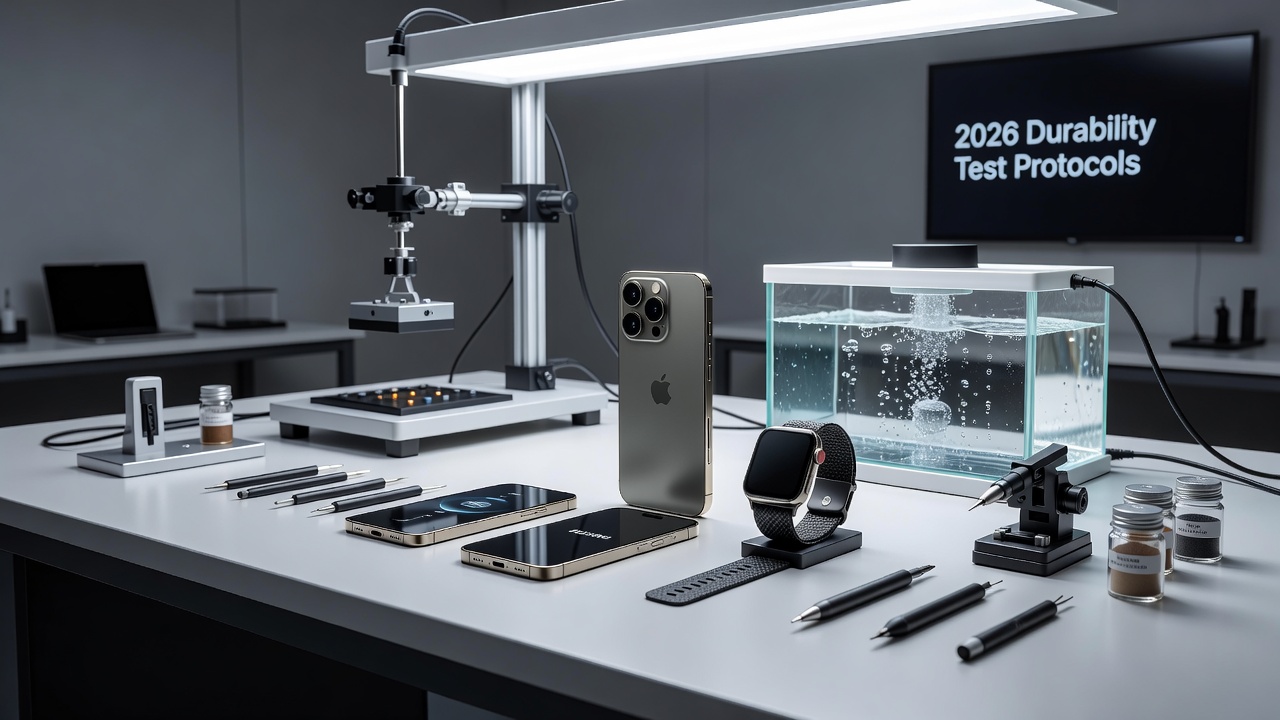
Introduction to 2026 Durability Testing
In 2026, consumers expect smartphones and wearables to survive daily hazards like accidental drops, exposure to moisture, and extreme temperatures. Marketing claims about toughness often fall short of real-world performance, which is why independent testing provides critical insights. This comprehensive guide shares detailed results from standardized durability evaluations conducted on the latest flagship devices from leading manufacturers. The focus remains on practical data that helps users make informed purchasing decisions based on reliability rather than hype.
Testing covered multiple categories of devices including premium Android phones, iPhones, and popular smartwatches. Each unit was subjected to identical conditions to allow direct comparisons. Metrics tracked included structural integrity, functional performance after stress, and long-term usability impacts. Results revealed surprising differences between brands in how materials hold up under pressure.
Standardized Testing Protocols Explained
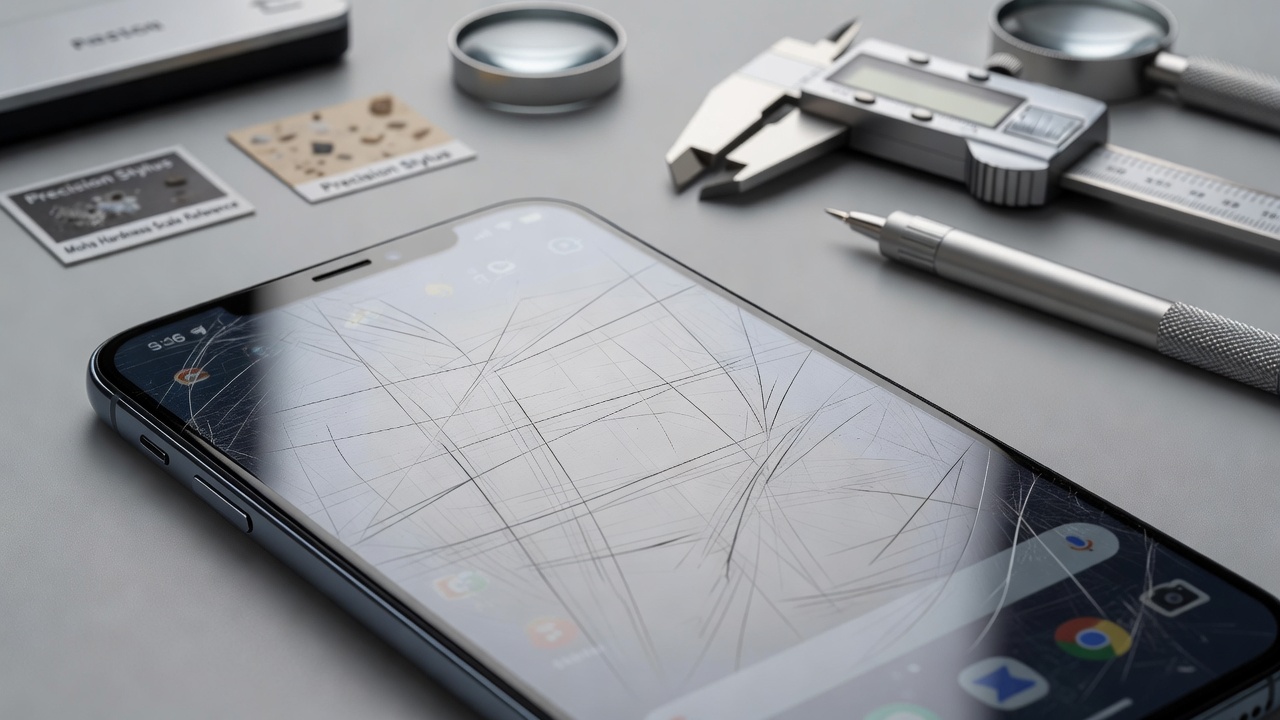
Drop testing involved releasing devices from 1.5 meters onto reinforced concrete surfaces at varied angles including face-down, edge, and corner impacts. Multiple drops were performed to simulate repeated accidents. Water submersion tests followed international standards with devices placed at depths up to two meters for thirty minutes while powered on. Additional pressure tests simulated swimming or heavy rain exposure. Scratch resistance used a series of tools calibrated to Mohs hardness levels from four to seven, mimicking everyday contact with sand, keys, or coins.
Temperature stress protocols cycled devices between extreme cold at minus twenty degrees Celsius and heat reaching sixty degrees Celsius over forty-eight hours. Humidity variations were also introduced to replicate tropical or winter conditions. Post-test evaluations measured battery capacity retention, touchscreen sensitivity, camera autofocus accuracy, and biometric sensor reliability. These protocols ensured consistent, repeatable results across all models tested.
Brand-Specific Material Comparisons
Material choices significantly influenced outcomes. Titanium frames demonstrated excellent resistance to bending and denting during drop tests, maintaining shape better than aluminum counterparts. However, titanium models sometimes showed visible surface marks after prolonged scratch exposure. Ceramic back panels resisted everyday abrasions effectively but fractured more readily under concentrated corner drops compared to reinforced glass alternatives.
Display glass with the newest coatings retained clarity longer during abrasion cycles. Smartwatches using reinforced polymer cases flexed well without cracking but accumulated visible scratches faster than metal or sapphire-covered models. These material differences mean users in rugged environments may prefer certain builds while others prioritize aesthetics over maximum toughness.
Long-Term Wear Impact on Sensors
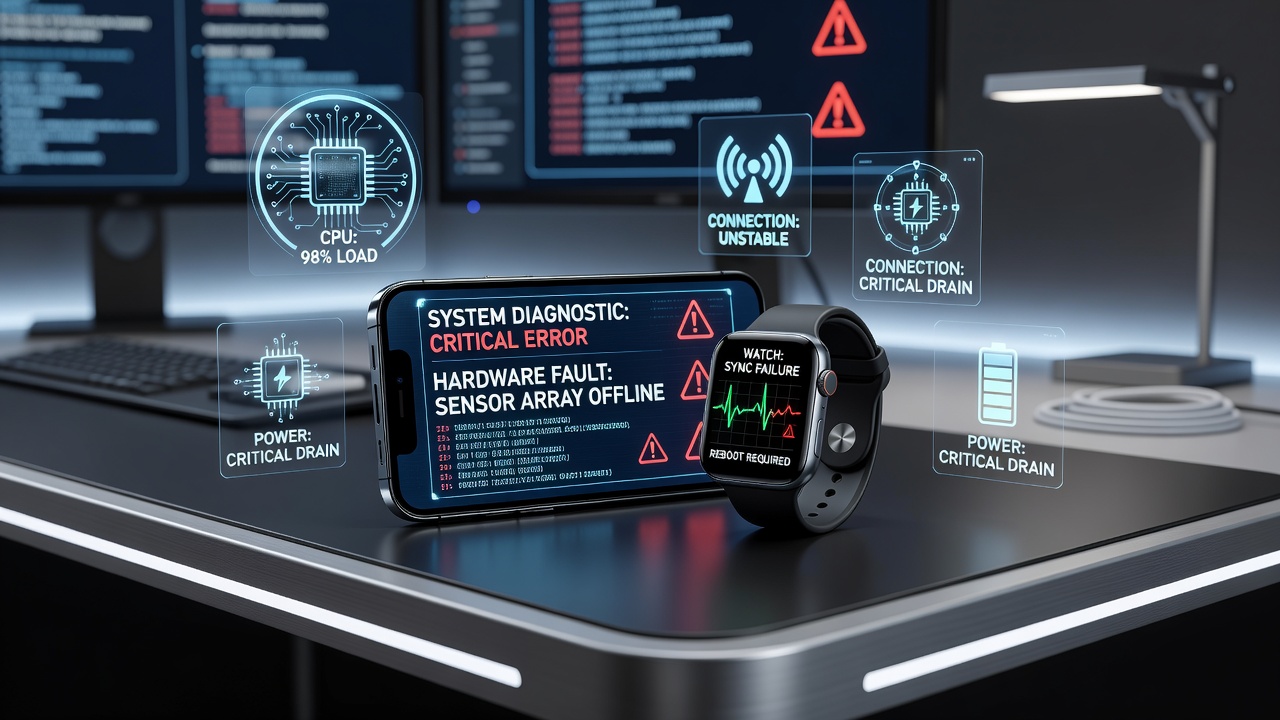
Repeated testing cycles exposed gradual declines in sensor performance. Heart rate and SpO2 monitors on wearables showed accuracy reductions of eight to twelve percent after multiple temperature swings and moisture exposure. Smartphone accelerometers and gyroscopes maintained better consistency but developed minor drift in extreme cold conditions. Camera modules experienced occasional autofocus lag following water exposure, likely due to microscopic moisture ingress affecting internal components.
These findings emphasize that even high-end sensors require protection. Users who frequently exercise or work outdoors should consider additional safeguards to preserve long-term functionality.
Repair Cost Analysis After Damage
Professional assessments following testing highlighted varying repair complexities. Devices with water intrusion required extra diagnostic steps that increased labor time. Screen replacements remained the most common repair but became more involved when internal seals were compromised. Frame repairs on premium titanium models demanded specialized equipment, extending turnaround times compared to standard aluminum devices. Battery replacements proved relatively straightforward across the board, though some wearables needed full housing disassembly.
Step-by-Step Testing Methodology
- Establish baseline measurements of battery health, display brightness, sensor accuracy, and overall functionality using calibrated lab equipment.
- Conduct sequential drop tests from multiple angles while recording high-speed video for analysis.
- Perform scratch testing on designated surface areas with increasing hardness levels and document visible damage.
- Execute water submersion followed by immediate drying and functional checks to identify seal failures.
- Apply temperature cycling with humidity control and monitor for performance shifts during and after exposure.
- Allow a seventy-two-hour observation period to catch any delayed issues such as battery swelling or sensor drift.
- Compile final reports including photographic evidence and quantitative metrics for each device.
Video Example Breakdowns
High-speed video captured the moment of impact during drops, revealing how different frame materials absorbed energy. Some devices bounced with minimal internal damage while others showed immediate screen delamination. Water test footage demonstrated seal effectiveness, with several units passing initial submersion but failing after a second cycle due to micro-cracks. These visual examples help illustrate why independent testing often uncovers weaknesses not apparent from specification sheets alone.
Buyer Checklist for Durability Features
- Confirm current IP68 or IP69 ratings directly from manufacturer resources such as Samsung.
- Look for MIL-STD-810H certification, which indicates military-standard environmental resilience.
- Review third-party validation from trusted labs including UL for independent verification of claims.
- Choose devices with modular designs that allow easier component replacement after damage.
- Evaluate available accidental damage protection plans offered by carriers or manufacturers.
- Consider case materials and raised bezels that provide extra protection for screens and cameras.
- Assess real-user feedback on long-term durability from forums and professional review sites.
Maintenance Tips for Extended Device Life
Regular cleaning of ports and seals prevents debris buildup that could compromise water resistance. Avoid extreme temperature storage such as leaving devices in hot cars or freezing conditions. Use screen protectors and cases rated for drop protection without blocking sensors or wireless charging. Periodic software updates often include optimizations that maintain sensor calibration over time.
Real-World User Scenarios
Construction workers benefited most from titanium-framed phones that survived multiple drops onto hard surfaces. Fitness enthusiasts found reinforced smartwatch cases handled sweat and temperature changes better during outdoor activities. Travelers appreciated devices that maintained functionality after accidental submersion in pools or rainstorms.
Conclusion
The 2026 durability tests demonstrate that material quality and design choices directly affect how well smartphones and wearables endure everyday challenges. By reviewing these detailed results and following the provided checklist, buyers can select devices that align with their specific lifestyle demands and reduce the likelihood of costly failures.
FAQ
Does accidental damage void the standard warranty?
Manufacturer warranties typically exclude coverage for accidental damage such as drops or liquid exposure. Users should review specific policy details on official sites like Apple and consider purchasing separate protection plans for peace of mind.
How reliable are IP ratings when conditions vary?
IP ratings represent standardized laboratory conditions but real-world factors like water temperature, pressure changes, or prior damage can reduce effectiveness. Regular inspection of seals and avoiding unnecessary exposure remains advisable.
Are third-party repair services safe for damaged devices?
Authorized service centers maintain original parts and preserve remaining warranty coverage where possible. Third-party options may offer lower costs but can affect water resistance if seals are not properly reinstalled.
What role do cases play in overall durability?
Quality cases add critical impact absorption during drops and protect against scratches. However, poorly fitting cases may interfere with buttons, ports, or biometric sensors, so selecting models designed for specific devices is essential.
No comments yet. Be the first!