 NeoBit Daily

Introduction to 2026 Business Travel Gadgets
Business travel in 2026 places unique demands on technology, requiring devices that deliver exceptional endurance, seamless productivity integration, and robust security across multiple time zones and international borders. This comprehensive guide examines the top flagship smartphones and premium wearables through extensive real-world testing focused on long-haul battery performance, offline GPS reliability, and enterprise app compatibility. Frequent flyers need tools that maintain consistent operation without frequent recharging or connectivity drops during layovers or remote meetings.
Our evaluations draw from hands-on benchmark tests simulating multi-day international trips, including continuous video calls, document editing, and navigation in areas with limited internet access. Leading models from Apple, Samsung, and Google are compared against high-end smartwatches from Garmin and Apple, with attention to durability under travel conditions and data protection features. Business professionals can use these insights to select devices that enhance efficiency rather than create additional hurdles on the road. Challenges such as jet lag, unpredictable power access, and varying network qualities make device selection critical for maintaining productivity and reducing stress during trips.
Smartphone Reviews for Business Travelers
Flagship smartphones form the core of any business traveler's kit, handling everything from email management to virtual meetings. The latest iPhone models excel in optimized integration with productivity suites such as Microsoft Office and calendar applications that automatically adjust for time zone changes. These devices maintain stable performance during extended flights thanks to advanced power management systems that prioritize essential tasks.
Android flagships, particularly recent Samsung Galaxy and Google Pixel devices, provide strong customization options for enterprise-level apps and reliable offline GPS functionality through downloadable map data. Benchmark testing across various scenarios shows these phones sustaining data security protocols even when connected to public Wi-Fi networks at busy airports and hotels. Durability ratings like IP68 water and dust resistance make them suitable for unpredictable travel environments where devices may encounter rain or dusty conditions during transfers.
Apple devices stand out for their deep enterprise security integrations, while Samsung emphasizes rugged build quality. Google models offer excellent map and translation tools critical for navigating unfamiliar cities and handling multilingual business interactions.
Battery Performance and Real-World Testing
Extensive battery benchmarks simulate 12 to 14 hour flights with continuous app usage, streaming, and document work. Top models retain over 40 percent battery after heavy productivity sessions, proving essential during long layovers without reliable power access. Additional tests include mixed use over three-day trips with moderate charging opportunities, revealing how background processes like email syncing impact overall endurance in practice.
Offline GPS Reliability and Security Features
Offline navigation proves vital when cellular signals fail. Pre-loaded maps and turn-by-turn directions function accurately in remote or international locations. Security evaluations confirm encrypted storage and biometric protections reduce risks of data breaches during travel, with features like automatic VPN activation on untrusted networks adding extra safeguards for sensitive corporate information.
Wearable Reviews and Comparisons
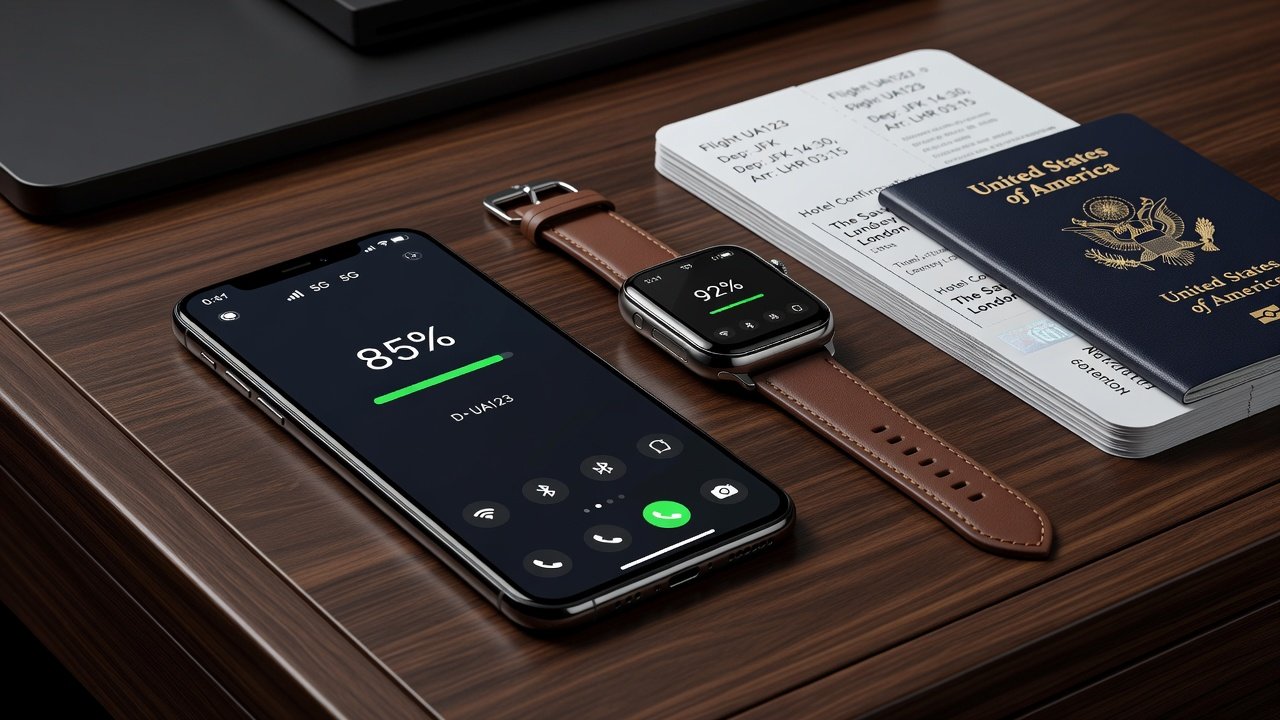
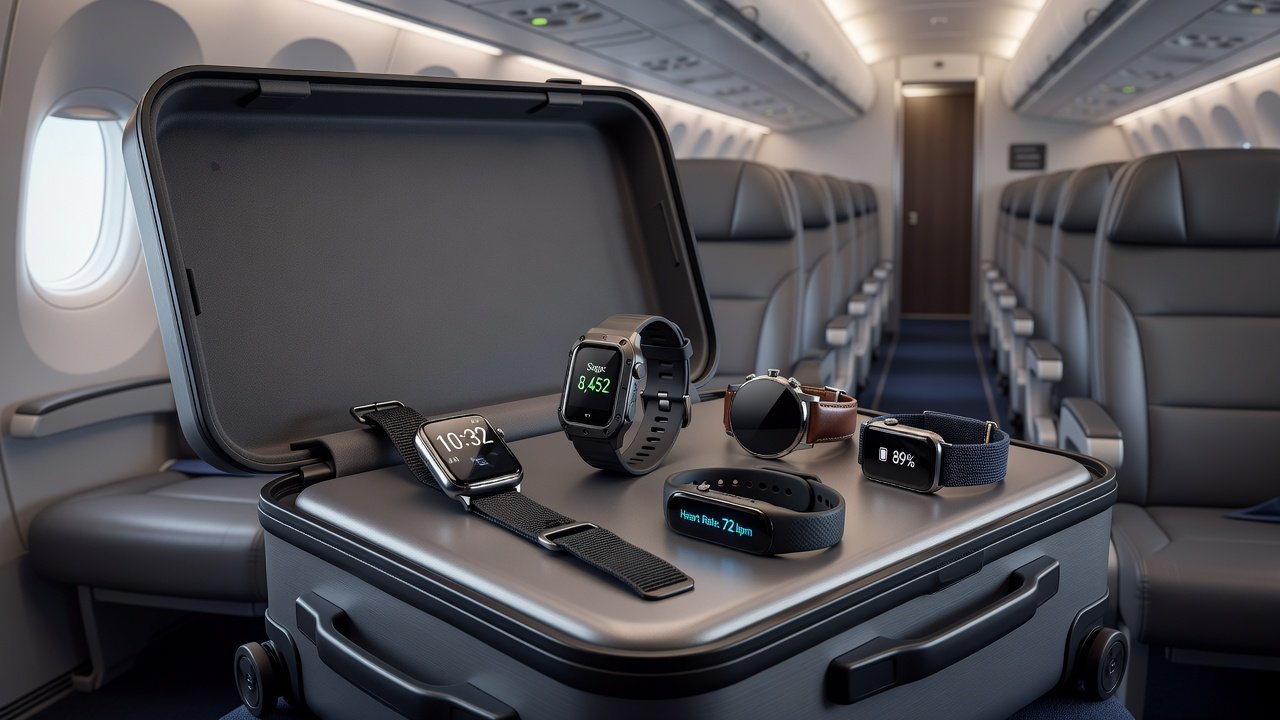
Premium smartwatches serve as essential companions to smartphones by delivering instant notifications, health monitoring, and quick access to schedules without requiring constant phone interaction. Durability assessments include water resistance for poolside work sessions and drop protection for busy airport environments where accidental impacts are common.
Data security in wearables receives particular attention through encrypted health metrics and secure pairing protocols that prevent unauthorized access. Automatic time zone adjustments and multi-device syncing ensure smooth operation across continents. Comparisons reveal differences in battery longevity, with some models lasting several days on a single charge versus daily recharging needs that can disrupt workflows on tight schedules.
Key Comparison Points for Wearables
- Scratch-resistant displays withstand handling in luggage and daily wear during hectic travel days.
- Biometric authentication adds layers of protection for sensitive information stored on the device.
- Extended battery life supports full multi-day business trips without recharging interruptions.
- Health tracking features help maintain wellness amid jet lag and irregular meal schedules common in international travel.
Practical Tips for Business Travel Setup
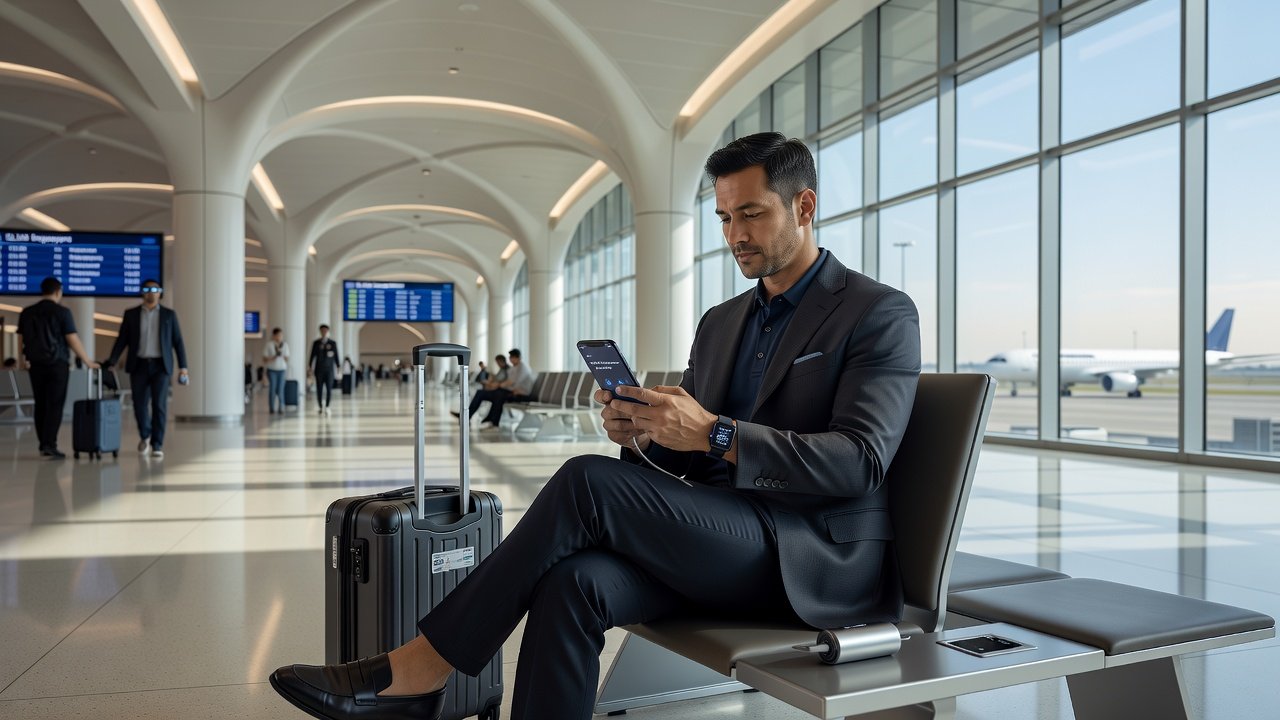
Setting up eSIM technology enables quick carrier switches upon arrival in new countries, minimizing roaming complications and costs. Travelers should test eSIM activation before departure to avoid on-site issues; for example, download the carrier app in advance and have backup physical SIM options ready. Pairing noise-cancelling earbuds with smartphones and wearables creates focused workspaces in noisy terminals and aircraft cabins, with compatibility checks recommended across iOS and Android platforms to ensure seamless audio handoffs during calls.
Multi-device charging solutions such as high-capacity power banks with several ports keep all gadgets operational during extended journeys. Real-world case studies from corporate executives illustrate how these setups reduce downtime by approximately 30 percent on average during intensive travel periods. Additional advice includes organizing cables in compact pouches, using travel adapters compatible with multiple outlet types, and scheduling device updates during flights when Wi-Fi is available but not essential for work.
Real-World Case Studies from Frequent Flyers
One executive traveling between New York and Tokyo reported improved productivity after switching to a device with superior offline map integration, allowing route planning without data usage. Another frequent flyer in Europe highlighted how smartwatch health alerts helped manage sleep patterns disrupted by time zone changes, leading to better focus in meetings. These examples demonstrate how targeted gadget choices address specific pain points like connectivity gaps and physical fatigue on the road.
Buying Recommendations by Travel Style
Frequent flyers who prioritize maximum battery endurance should select smartphones and wearables with the largest capacities and fastest charging support. Road warriors focused on productivity benefit most from devices with strong app ecosystem integration and reliable offline capabilities for document access during flights. International travelers gain advantages from models featuring broad global band support and proven GPS performance in diverse environments. Those concerned with security should emphasize devices with advanced encryption and regular software updates. Mistakes to avoid include overlooking warranty coverage for overseas repairs and failing to download offline maps in advance of trips to remote areas.
FAQ
Do these gadgets support international warranties?
Most flagship smartphones and wearables provide global warranty support through authorized centers, although specific terms differ by manufacturer and destination country. Always register devices before travel and keep proof of purchase accessible in case of issues abroad, as some regions require local documentation for claims.
What are typical data roaming costs?
Roaming fees vary widely by carrier and region. eSIM-based local data plans frequently offer more economical alternatives to traditional international roaming packages for extended stays, allowing users to compare rates through dedicated apps before committing to a provider.
How reliable is offline GPS?
Pre-downloaded mapping applications deliver dependable navigation without active internet connections, as validated through tests in multiple international destinations with varying infrastructure quality and signal availability.
Which models best handle time zone connectivity?
Devices with automatic network detection and calendar sync features adjust schedules efficiently, reducing manual interventions during long-haul trips and minimizing errors in meeting coordination across borders.
How do noise-cancelling earbuds integrate with these gadgets?
Most modern earbuds pair via Bluetooth with both smartphones and wearables, offering features like touch controls for calls and ambient sound modes that enhance focus in dynamic travel settings such as train stations or co-working spaces.
In conclusion, selecting appropriate 2026 business travel gadgets significantly improves efficiency through superior battery management, secure connectivity, and practical features tailored to the demands of frequent international movement.
No comments yet. Be the first!