 NeoBit Daily
Introduction: The New Era of Retail Technology
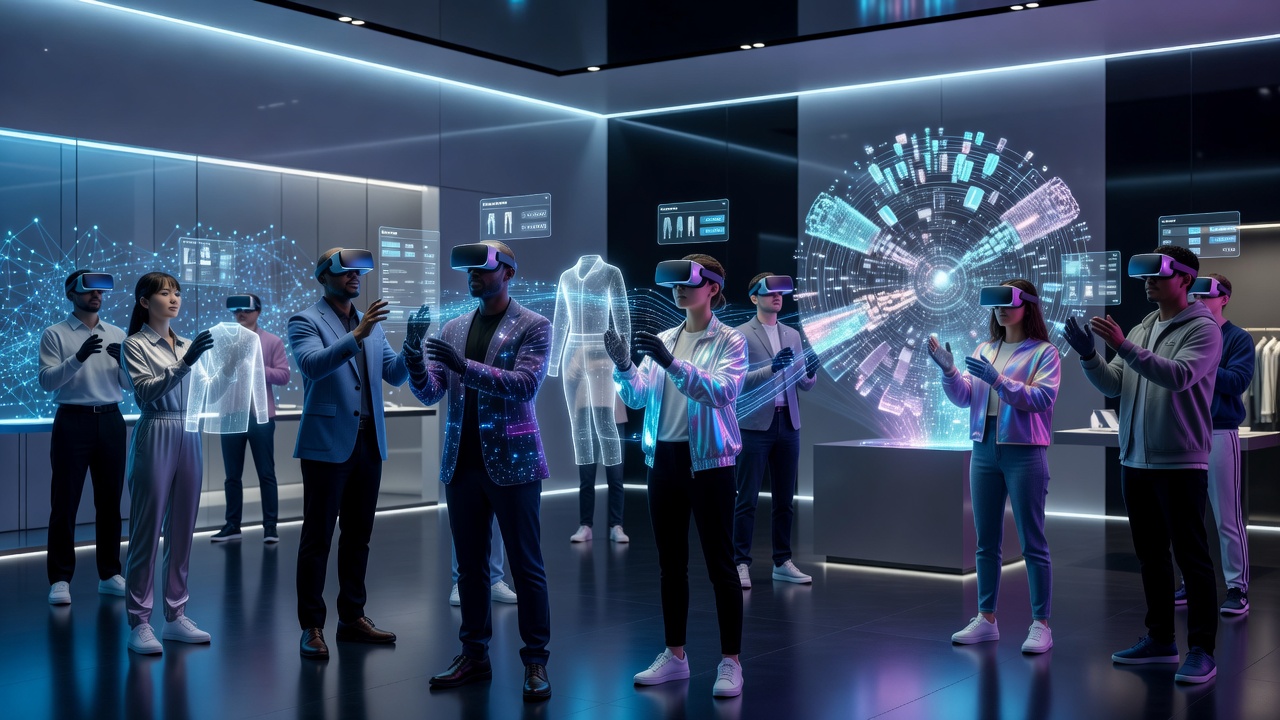
In 2026, retail is undergoing a profound transformation driven by the convergence of virtual reality (VR), augmented reality (AR), blockchain, and quantum computing. These technologies are not merely incremental improvements but fundamental shifts that create immersive, secure, and hyper-efficient shopping experiences. Consumers now expect personalized journeys that blend physical and digital worlds seamlessly, while retailers leverage advanced analytics for supply chain precision and demand forecasting.
This evolution addresses longstanding pain points like inventory mismanagement, counterfeit goods, and generic customer interactions. By integrating these tools, forward-thinking brands are gaining competitive edges in a market where digital adoption accelerates rapidly. Retailers who delay risk falling behind as customer expectations evolve toward hyper-personalized, frictionless experiences powered by these emerging technologies.
Immersive Experiences with VR and AR
VR and AR are redefining how customers interact with products. Virtual try-ons allow shoppers to visualize clothing, furniture, or accessories in their own environments without physical visits. AR overlays digital information onto the real world via smartphones or smart glasses, enabling instant product comparisons and styling suggestions. These tools reduce the friction of traditional shopping by allowing users to experiment with options in simulated or augmented spaces, leading to more confident purchasing decisions.
Retailers implementing these tools report higher conversion rates and reduced returns. For instance, major fashion chains use AR mirrors in stores that project outfits onto customers in real time, secured through blockchain-verified inventory data to prevent discrepancies. In home goods, VR showrooms let customers walk through fully furnished virtual spaces, adjusting colors and layouts on the fly. The integration of these technologies creates emotional connections with products that static images cannot match.
Step-by-Step Implementation for VR/AR Try-Ons
- Assess current e-commerce platform compatibility with AR SDKs like ARKit or ARCore and identify hardware requirements for VR headsets.
- Partner with developers to create accurate 3D product models and integrate VR environments that mirror real-world physics and lighting.
- Deploy blockchain ledgers to authenticate virtual assets, track usage rights, and ensure digital twins of products remain tamper-proof.
- Test with pilot user groups, focusing on latency reduction, device accessibility across demographics, and accessibility features for inclusive design.
- Scale rollout while monitoring analytics for engagement metrics, return rate reductions, and customer satisfaction scores to refine the system iteratively.
Blockchain for Secure and Transparent Retail Operations
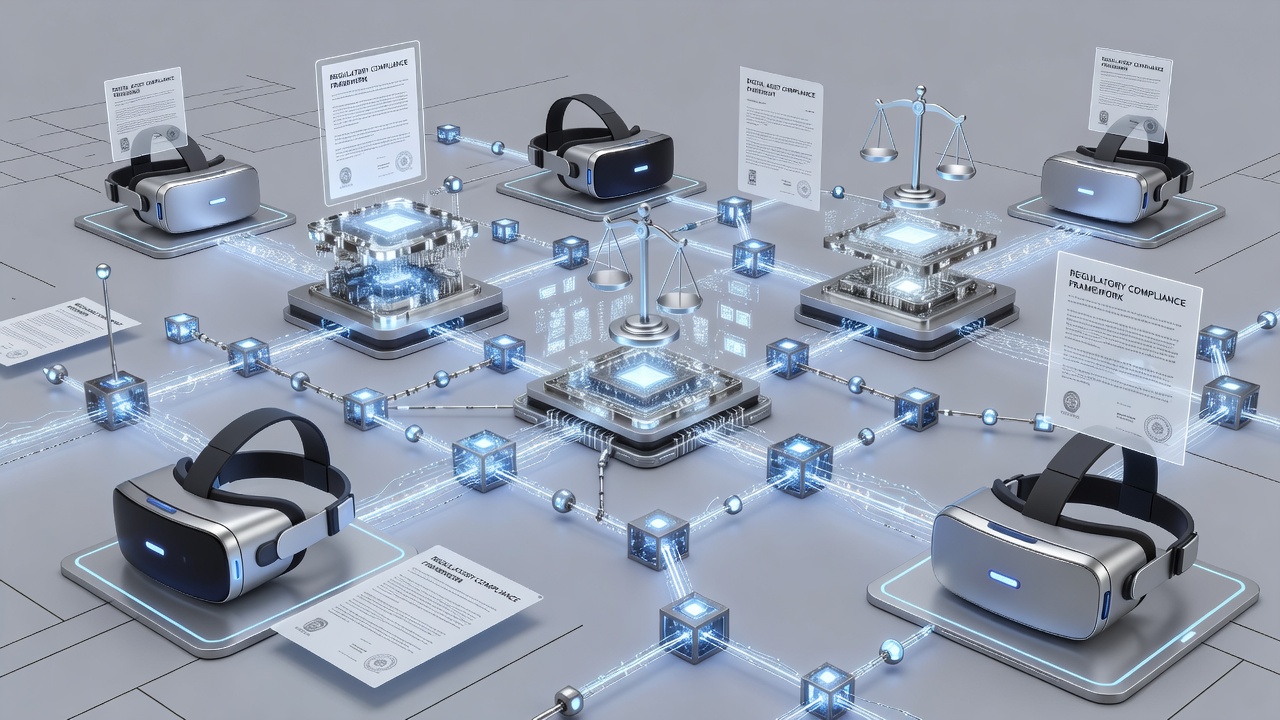
Blockchain technology provides immutable ledgers that enhance trust in transactions and supply chains. In retail, it verifies product authenticity from manufacturer to consumer, manages loyalty programs transparently through smart contracts, and secures customer data against breaches. When paired with VR/AR try-ons, blockchain ensures that digital representations of items are uniquely owned, traceable, and protected from unauthorized duplication.
Legacy systems often rely on centralized databases prone to single points of failure and data manipulation. In contrast, integrated blockchain solutions offer decentralized verification, reducing fraud by creating an auditable chain of custody for every item. This is particularly valuable in luxury retail where counterfeiting remains a persistent challenge. Retailers can also use blockchain to enable seamless cross-border payments and rewards redemption without intermediaries.
Learn more about foundational blockchain principles at IBM.
Quantum Computing in Supply Forecasting
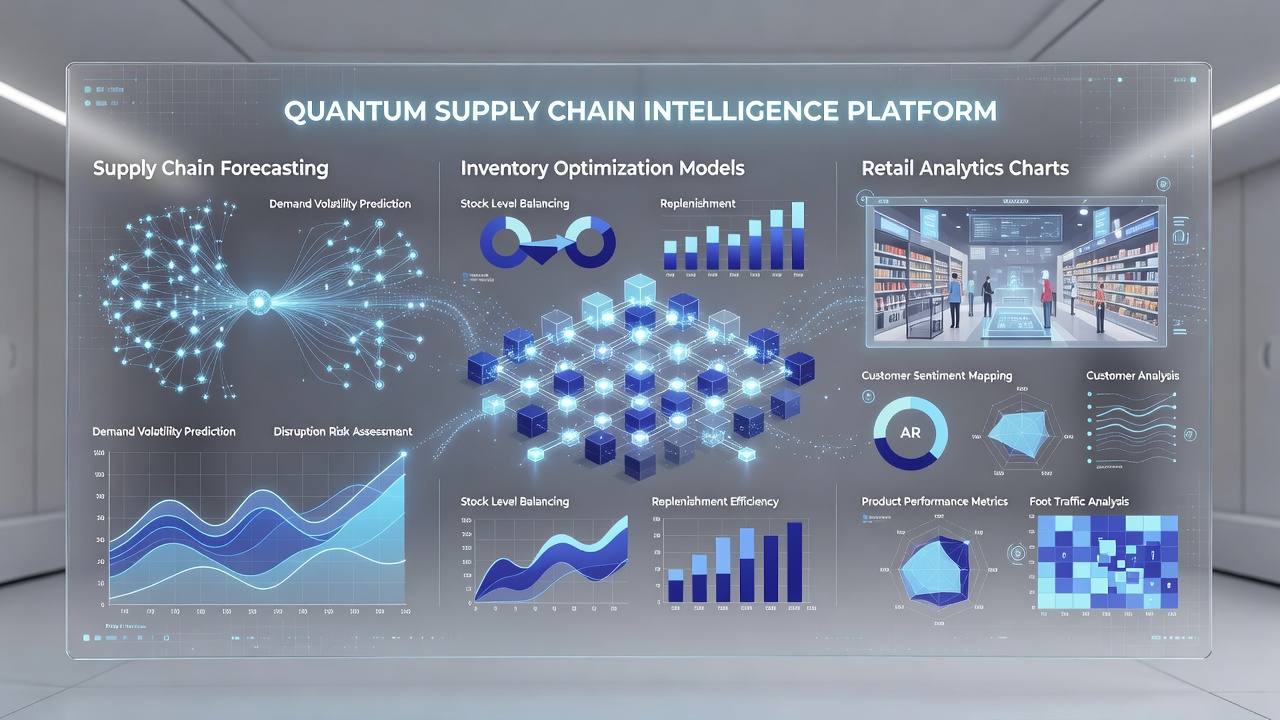
Quantum computing excels at solving complex optimization problems, making it ideal for retail supply chain forecasting. Traditional algorithms struggle with variables like weather patterns, consumer trends, geopolitical disruptions, and seasonal fluctuations. Quantum systems process these multidimensional datasets at unprecedented speeds, enabling precise demand predictions and inventory optimization that minimize both overstock and stockouts.
Quantum-optimized models help retailers minimize waste and improve sustainability. Comparisons show legacy ERP systems deliver forecasts with 70-80% accuracy, while quantum-enhanced approaches consistently achieve over 95% in controlled tests across multiple retail categories. Early adopters are already integrating quantum simulators with existing AI platforms to gain these advantages without waiting for full-scale quantum hardware.
Explore quantum advancements via NIST.
Real Retailer Case Studies
Leading retailers demonstrate successful integrations. A global apparel brand combined AR try-ons with blockchain authentication, resulting in streamlined returns and enhanced customer trust through verifiable product provenance. Another grocery chain applied quantum forecasting to reduce spoilage rates dramatically through better produce planning and dynamic replenishment schedules. A third example comes from an electronics retailer that used VR showrooms linked to blockchain-secured warranties, cutting customer service inquiries by 40% while boosting online-to-offline conversions.
These examples highlight practical outcomes: faster decision-making, improved sustainability metrics, and elevated personalization that drives loyalty. Smaller retailers can replicate aspects of these strategies by starting with cloud-based AR tools and permissioned blockchain networks.
Legacy Systems vs. Integrated Tech Solutions
- Legacy: Siloed data across departments, slow batch processing, high ongoing maintenance costs, limited scalability, and vulnerability to single-source breaches.
- Integrated: Real-time insights across the entire operation, scalable cloud infrastructure, enhanced security via blockchain and quantum-resistant encryption layers, and seamless omnichannel experiences.
Transitioning requires phased adoption to avoid disruption, beginning with pilot programs in high-impact areas like virtual try-ons before expanding to quantum forecasting modules.
Personalized Customer Journeys Powered by Emerging Tech
Beyond individual tools, the combination creates end-to-end personalization. AI algorithms analyze VR interaction data, AR preferences, and blockchain transaction histories to deliver tailored recommendations. Quantum computing then optimizes these insights at scale, predicting the next best action for each shopper. This results in journeys that feel uniquely crafted, increasing both average order value and repeat purchase rates.
Mistakes to Avoid When Adopting These Technologies
Common pitfalls include rushing full-scale deployment without adequate testing, neglecting staff training on new interfaces, and overlooking data privacy regulations during blockchain implementation. Retailers should also avoid choosing vendors without proven interoperability standards, which can lead to costly integration failures. Starting with modular solutions that integrate with existing systems reduces these risks significantly.
Addressing Scalability and Privacy Concerns: FAQ
How scalable are these technologies for small retailers?
Cloud-based VR/AR platforms and permissioned blockchains lower barriers, allowing gradual scaling without massive upfront investments. Many providers offer tiered pricing that grows with business volume.
What about data privacy?
Blockchain enables user-controlled data sharing, while quantum-resistant encryption protocols protect against future threats. Compliance with regulations such as GDPR remains essential throughout implementation.
Are quantum solutions accessible today?
Hybrid quantum-classical systems and simulators are already available through major cloud providers, making the technology practical for forecasting tasks without owning physical quantum hardware.
How do these technologies impact customer trust?
Transparent blockchain records and accurate virtual experiences build confidence, but clear communication about data usage is critical to maintaining that trust over time.
Conclusion
The fusion of VR, AR, blockchain, and quantum computing heralds Retail 2.0, where experiences are immersive, operations transparent, and forecasts precise. Businesses investing thoughtfully now position themselves for sustained success in 2026 and beyond, turning technological complexity into clear competitive advantages.

No comments yet. Be the first!