 NeoBit Daily
Introduction to Quantum Threats in VR Retail
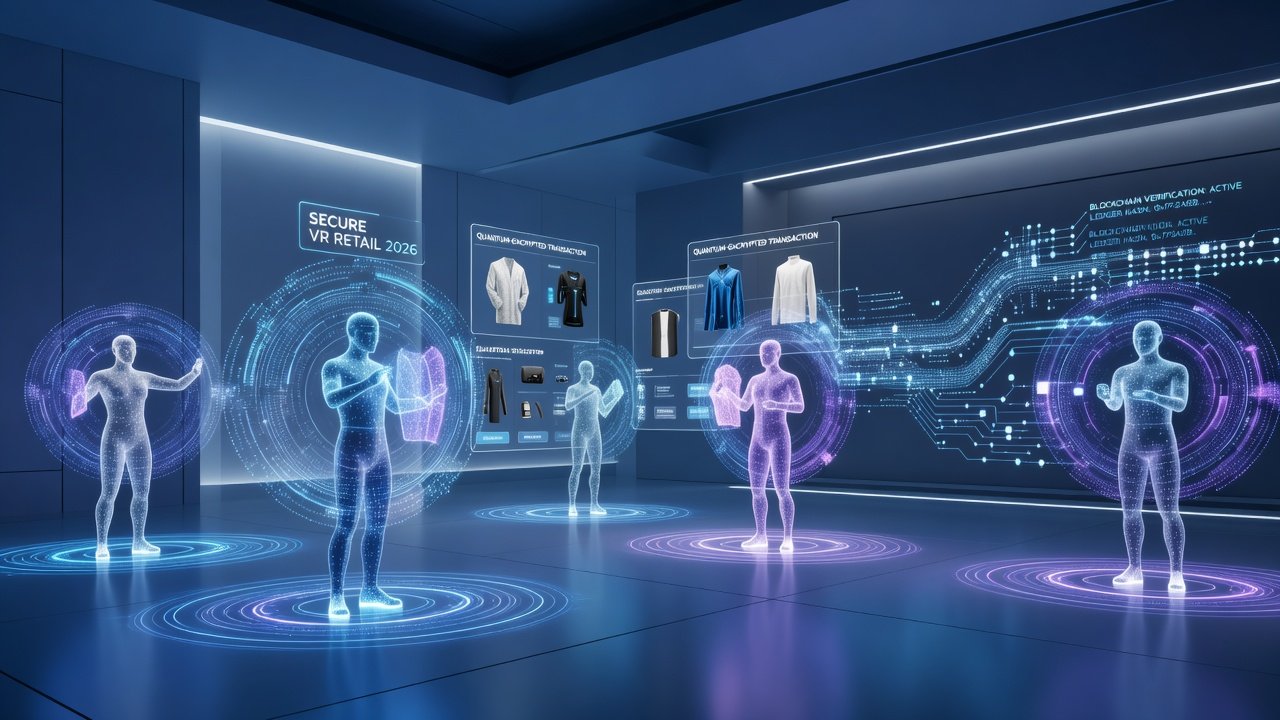
Virtual reality retail platforms are transforming how consumers shop, offering immersive experiences like virtual try-ons and interactive product demos. As adoption grows rapidly in 2026, these platforms handle vast amounts of sensitive data including payment information, biometric scans, and personalized recommendations. However, as quantum computing advances, traditional encryption methods face significant risks from algorithms capable of breaking current standards. Retailers must adopt proactive quantum-resistant security tactics to protect transactions and customer data. This comprehensive guide explores threat modeling for quantum attacks, step-by-step integration of quantum-resistant encryption with blockchain ledgers, real-world retail use cases like virtual try-ons, detailed comparisons of encryption methods, implementation checklists, and FAQs on compliance. Emphasizing proactive defenses will lead to measurable security improvements for 2026 retail environments.
Understanding Quantum Computing Risks for VR Transactions
Quantum computers leverage principles like superposition and entanglement to solve certain problems exponentially faster than classical machines. This capability threatens widely used public-key cryptography such as RSA and ECC through algorithms like Shor's. In VR retail, this puts at risk sensitive data including payment details processed during immersive sessions, biometric identifiers captured from virtual try-ons, and blockchain-based ledgers used for supply chain transparency. Attackers employing harvest-now-decrypt-later tactics could store encrypted VR session data today for future decryption once quantum capabilities mature. Potential consequences include large-scale fraud, identity theft, and erosion of consumer trust in virtual shopping. Proactive defenses are essential because the transition to post-quantum cryptography requires time for testing and deployment in latency-sensitive VR environments.
Threat Modeling for Quantum Attacks on VR/AR Platforms
Effective threat modeling begins with a thorough inventory of assets such as user avatars, real-time transaction records, AR product overlays, and stored customer profiles. Next, identify quantum attack vectors including the interception of key exchanges during VR sessions or tampering with blockchain consensus mechanisms. Assess risks in specific retail scenarios like real-time payments during virtual fittings or secure sharing of 3D product models. Incorporate factors such as the volume of data at rest versus in transit and the exposure window for long-term stored records. Use established frameworks from authoritative sources like NIST to prioritize risks based on likelihood and potential business impact. Regular updates to the model are necessary as quantum hardware progresses and new retail features are added. This structured approach helps allocate resources efficiently toward the most critical vulnerabilities in 2026 deployments.
Step-by-Step Integration of Quantum-Resistant Encryption with Blockchain Ledgers
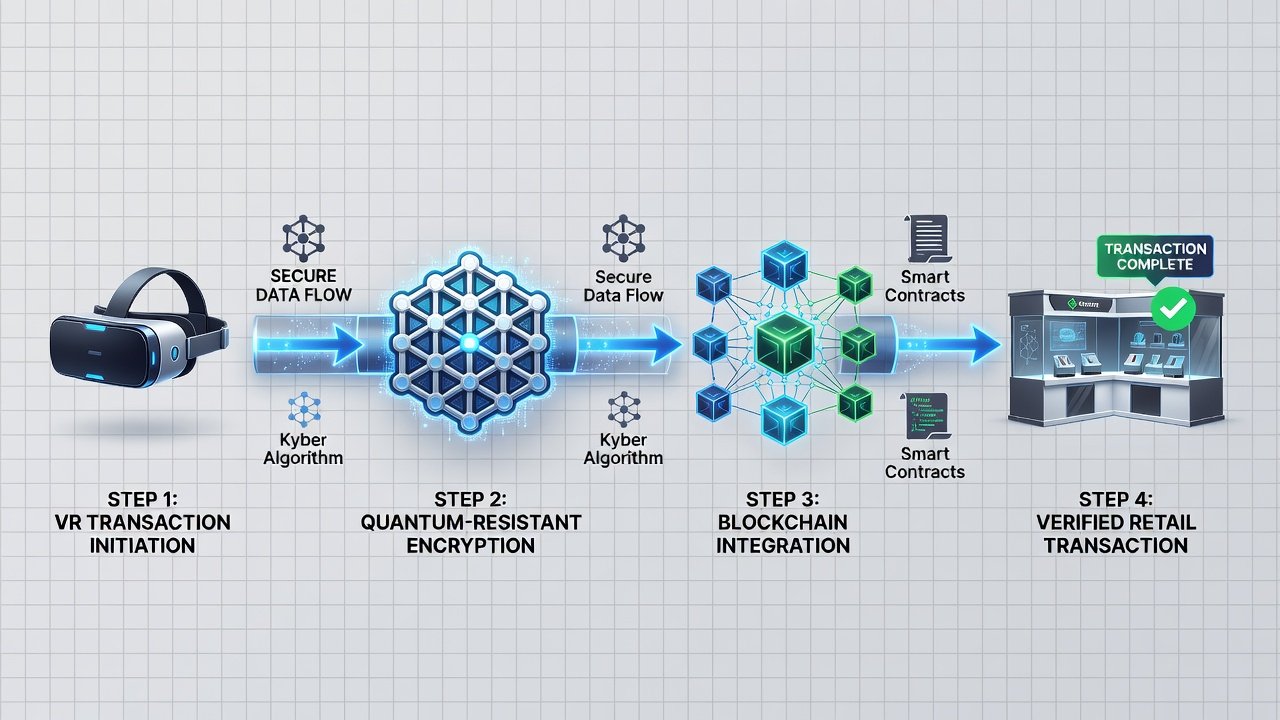
Integrating post-quantum cryptography with blockchain creates a resilient foundation for VR retail transactions. Begin by evaluating and selecting NIST-approved algorithms such as CRYSTALS-Kyber for key encapsulation and CRYSTALS-Dilithium for signatures. Update blockchain node software to support hybrid encryption modes that combine classical and quantum-resistant primitives for backward compatibility. Implement lattice-based signatures to validate each transaction recorded on the ledger while maintaining immutability. Integrate these changes with VR engines through optimized libraries that minimize computational overhead and preserve frame rates during immersive experiences. Develop and deploy smart contracts that automatically enforce quantum-resistant standards for all new entries. Conduct phased testing in isolated environments to measure latency, throughput, and compatibility before full rollout. Monitor performance metrics continuously and apply patches as standards evolve. This methodical process delivers robust protection against quantum threats while preserving the transparency and auditability benefits of blockchain technology.
Real-World Retail Use Cases: Virtual Try-Ons and Beyond
Leading retailers are already piloting quantum-resistant VR platforms for virtual try-ons where users scan their bodies in AR and complete secure purchases. Fashion brands protect the integrity of product authenticity data through PQC-protected ledgers during these sessions, preventing tampering that could lead to counterfeit sales. Automotive companies use similar approaches in VR showrooms to secure detailed vehicle configuration records shared across distributed teams. In the home goods sector, virtual room planners combine AR overlays with blockchain-tracked inventory, ensuring that quantum-resistant encryption safeguards both the visual experience and the underlying transaction logs. These implementations demonstrate reduced breach risks, faster compliance audits, and increased consumer confidence in emerging technology-driven commerce. Additional examples include luxury goods retailers securing limited-edition digital collectibles within VR environments using hybrid encryption schemes.
Comparison of Encryption Methods for VR Retail Security
- Classical RSA/ECC: Highly vulnerable to quantum attacks and suitable only for short-term legacy systems with minimal data exposure.
- CRYSTALS-Kyber: NIST-recommended for key exchange; delivers strong security margins with efficient performance suitable for real-time VR interactions.
- CRYSTALS-Dilithium: Excellent choice for digital signatures on blockchain transactions; balances computational speed with quantum resistance for high-volume retail ledgers.
- Hash-Based Signatures (e.g., SPHINCS+): Offers conservative long-term security but introduces higher computational overhead that may affect seamless VR experiences.
- Code-Based Cryptography (e.g., Classic McEliece): Provides robust protection with large key sizes; best reserved for high-security backend systems rather than edge VR devices.
Selection should consider latency requirements, hardware constraints, and specific compliance obligations in 2026 retail environments.
Implementation Checklist for Quantum-Resistant VR Retail
- Conduct a complete inventory of all encryption components across VR applications and connected blockchain systems.
- Perform a detailed quantum threat assessment aligned with current NIST guidelines and retail-specific risk profiles.
- Select and rigorously test PQC algorithms within sandboxed VR environments that replicate production workloads.
- Integrate hybrid encryption schemes while preserving compatibility with existing ledger architectures.
- Train development and operations teams on new protocols and establish clear performance monitoring dashboards.
- Design and implement incident response procedures specifically addressing potential quantum-related decryption attempts.
- Engage vendors to confirm their solutions align with evolving post-quantum standards for sustainable long-term security.
- Schedule periodic audits and penetration tests that include simulated quantum attack scenarios.
FAQs on Compliance and Best Practices
How does quantum resistance affect GDPR or CCPA compliance?
Quantum-resistant measures strengthen adherence to data protection regulations by preventing future unauthorized decryption of personal information collected during VR shopping sessions, thereby reducing long-term breach liabilities.
What timelines should retailers follow for 2026?
Begin migration planning immediately with pilot projects, targeting full PQC integration across core VR and blockchain components by the middle of 2026 to stay ahead of regulatory expectations and emerging threats.
Are there performance trade-offs in VR environments?
Modern PQC algorithms have been optimized for lower overhead, yet thorough testing remains essential to maintain fluid frame rates and responsive interactions in immersive retail applications.
Which industries are leading adoption of these tactics?
Fashion, automotive, and luxury goods sectors are currently at the forefront, leveraging quantum-resistant VR solutions to differentiate their customer experiences while enhancing data protection.
Conclusion: Building Proactive Defenses for 2026
By embracing quantum-resistant tactics, VR retail platforms can effectively safeguard against emerging quantum threats while delivering enhanced customer experiences. Focus on thorough threat modeling, careful encryption integration, expanded checklists, and ongoing compliance reviews to achieve measurable security gains. Retailers that prioritize these proactive measures today will establish leadership in secure and trustworthy virtual commerce environments throughout 2026 and beyond.


No comments yet. Be the first!