 NeoBit Daily
Introduction to Blockchain in Immersive VR/AR Worlds
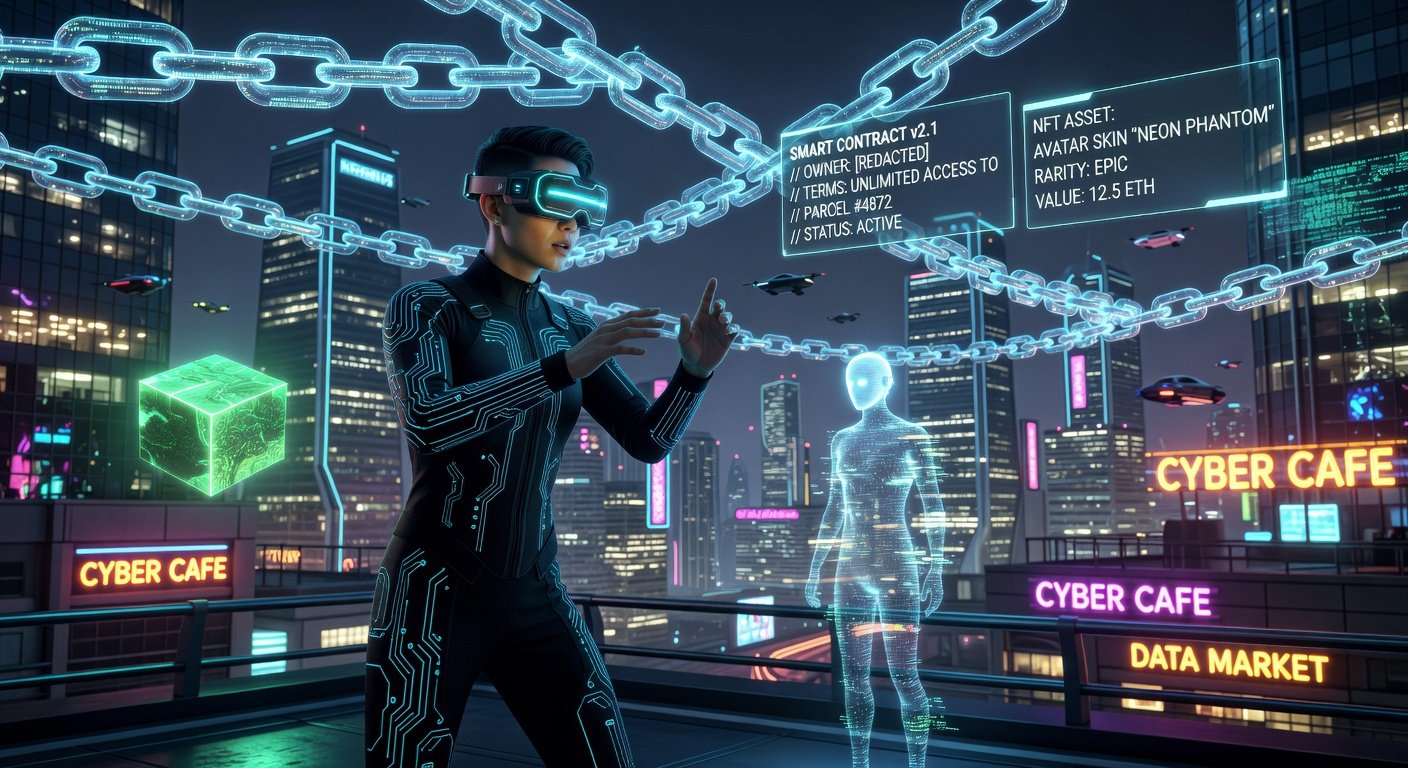
In 2026, the lines between digital and physical realities blur as VR/AR apps evolve into full-fledged metaverses. Developers are turning to blockchain to enable true ownership of virtual assets, secure transactions, and decentralized economies. This guide walks you through integrating blockchain into VR/AR applications using tools like Web3.js, ERC-721 NFT standards, and smart contracts optimized for immersive environments.
Imagine users buying, selling, and truly owning virtual land, avatars, or collectibles across platforms without centralized control. Blockchain ensures immutability, transparency, and interoperability—key for the next-gen metaverse.
Benefits of Blockchain Integration in VR/AR
- True Ownership: NFTs represent unique virtual items, verifiable on-chain.
- Decentralization: No single point of failure; users control their data and assets.
- Interoperability: Assets move seamlessly between VR/AR apps and metaverses.
- Monetization: Creators earn royalties via smart contracts on every resale.
- Security: Cryptographic proofs prevent fraud in high-stakes virtual economies.
By 2026, expect Layer-2 solutions like Polygon or Optimism to handle VR/AR's high transaction volumes with low fees and near-instant finality.
Challenges and Solutions
Integrating blockchain isn't without hurdles:
- Latency: VR/AR demands real-time interactions; off-chain computations and optimistic rollups mitigate this.
- UX Friction: Wallet connections can disrupt immersion—use wallet abstraction like account abstraction (ERC-4337).
- Scalability: Gas fees spike during peaks; opt for sidechains or zk-rollups.
- Cross-Platform Sync: Ensure assets render consistently via standardized metadata.
Solutions like The Graph for efficient querying and IPFS for decentralized storage address these pain points.
Essential Tools for 2026
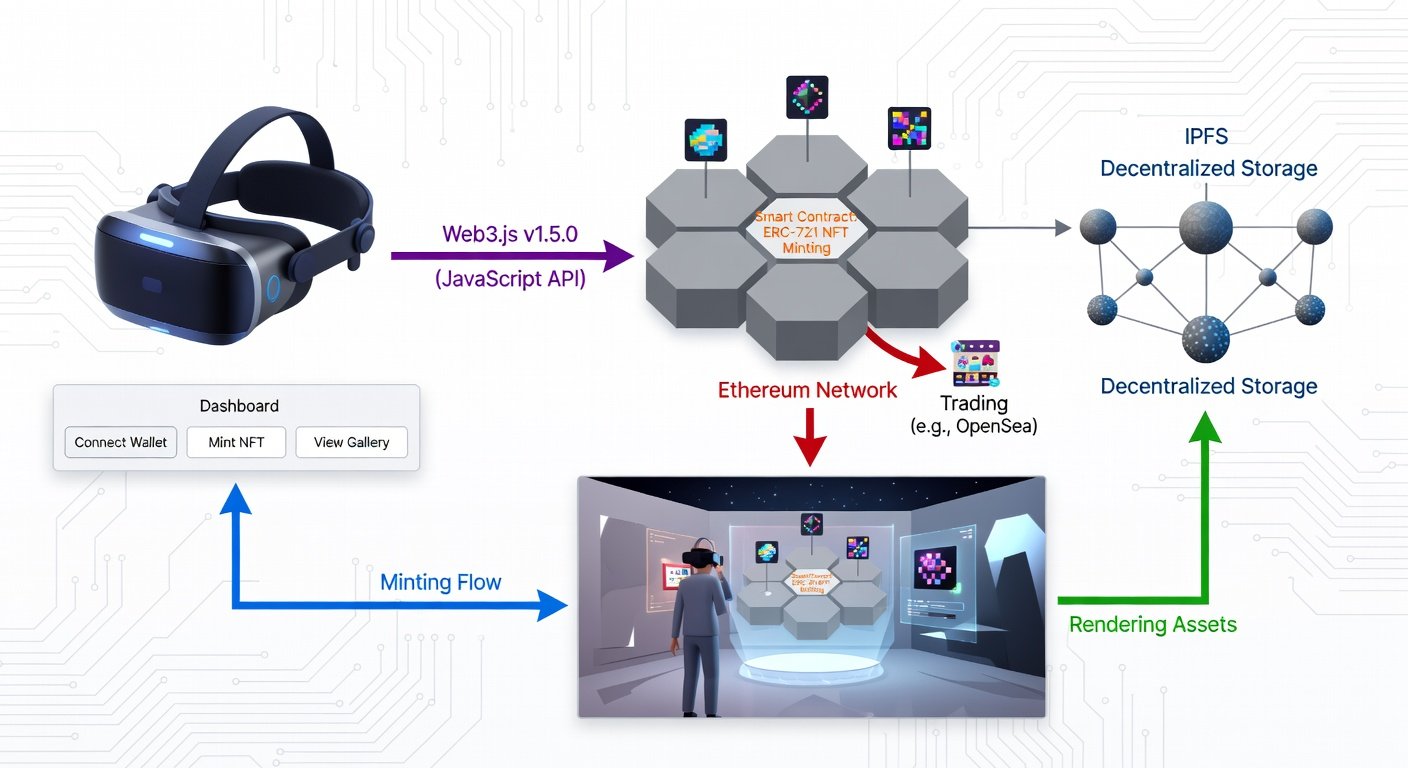
- Web3.js: JavaScript library for Ethereum interactions. Check the official docs at Web3.js documentation.
- NFT Standards: ERC-721 for non-fungible tokens, ERC-1155 for semi-fungibles. Details on EIP-721.
- Smart Contracts: Written in Solidity. Learn more via Solidity docs.
- Unity/Unreal Integration: Plugins like ChainSafe's Web3.unity for seamless blockchain calls in game engines.
- Wallets: MetaMask or WalletConnect for VR/AR-compatible signing.
Step-by-Step Implementation Guide
Step 1: Set Up Your Development Environment
Start with Unity (for VR/AR) and Node.js. Install Web3.js:
npm install web3Configure a Unity project with WebGL build target for web-based VR/AR.
Step 2: Deploy a Simple NFT Smart Contract
Use Remix IDE or Hardhat. Here's a basic ERC-721 contract for virtual assets:
// SPDX-License-Identifier: MIT
pragma solidity ^0.8.0;
import "@openzeppelin/contracts/token/ERC721/ERC721.sol";

contract VirtualAssetNFT is ERC721 {
    uint256 public tokenCounter;

    constructor() ERC721("VirtualLand", "VLAND") {}

    function mint(address to, string memory tokenURI) public returns (uint256) {
        tokenCounter++;
        _mint(to, tokenCounter);
        _setTokenURI(tokenCounter, tokenURI);
        return tokenCounter;
    }
}
Deploy to Sepolia testnet for testing.
Step 3: Connect Web3.js in Your VR/AR App
In Unity C# (via Web3.unity or JavaScript bridge):
const Web3 = require('web3');
const web3 = new Web3(window.ethereum);

async function connectWallet() {
  await window.ethereum.request({ method: 'eth_requestAccounts' });
  const accounts = await web3.eth.getAccounts();
  return accounts[0];
}
Inject this into your VR scene for wallet prompts without breaking immersion.
Step 4: Mint and Display NFTs in VR/AR
Mint an NFT and fetch metadata:
async function mintNFT(to, uri) {
  const contract = new web3.eth.Contract(ABI, CONTRACT_ADDRESS);
  const tx = await contract.methods.mint(to, uri).send({ from: userAccount });
  return tx;
}

// Fetch and render in AR: Use IPFS URI for 3D model, display via glTF loader
Store asset metadata on IPFS: {name: "CyberPlot #1", model: "ipfs://Qm...", traits: [...]}. Load into ARKit/ARCore or Oculus for rendering.
Step 5: Enable Peer-to-Peer Trading
Implement an escrow smart contract for safe trades. Use OpenSea's Wyvern protocol inspiration or build custom:
function tradeAsset(uint256 tokenId, address newOwner) public {
  // Transfer logic with approvals
  safeTransferFrom(msg.sender, newOwner, tokenId);
}
Trigger trades via VR gestures—scan QR for asset IDs or use spatial anchors.
Step 6: Optimize for 2026 Metaverses
Incorporate zero-knowledge proofs for private transactions in public VR spaces. Use Chainlink oracles for real-world asset pricing in virtual shops. Test on devnets like Base or Arbitrum for low-latency VR sync.
Real-World Examples and Future Outlook
Projects like Decentraland and The Sandbox already pioneer this, but 2026 brings VR-native chains like Immutable X tailored for gaming. Expect hardware wallets in AR glasses for seamless signing.
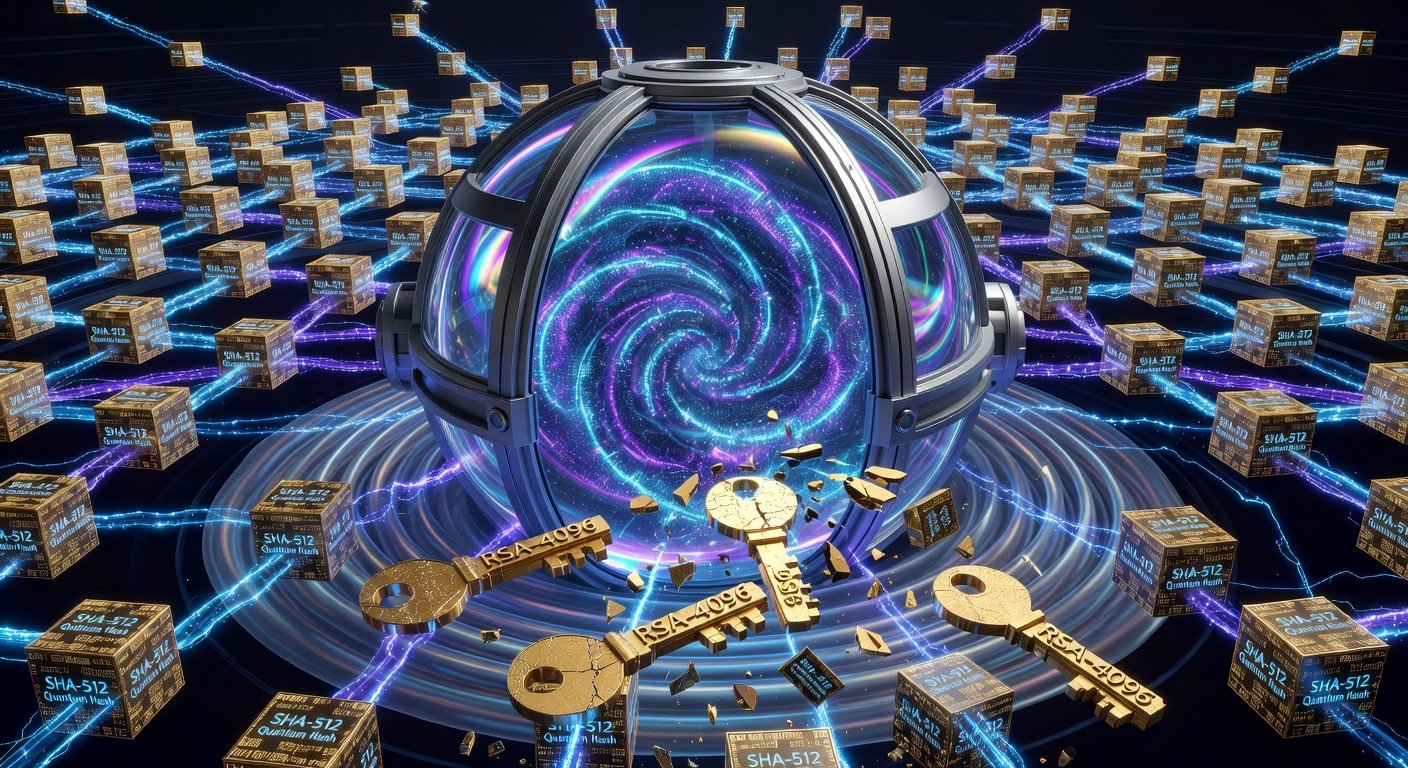
Challenges like quantum threats? Post-quantum cryptography is advancing via NIST standards.
Conclusion
Integrating blockchain into VR/AR unlocks secure, owner-driven metaverses. Follow these steps, leverage Web3.js and NFTs, and build the future today. Start prototyping—your decentralized VR empire awaits!
No comments yet. Be the first!