 NeoBit Daily

Introduction to Bug Bounty Programs in 2026
As cyber threats evolve rapidly in 2026, organizations must adopt proactive strategies to safeguard systems and user data. Bug bounty programs invite ethical hackers to identify vulnerabilities before malicious actors exploit them. This approach complements traditional security measures and directly supports data privacy compliance efforts worldwide. With rising incidents involving ransomware, supply chain attacks, and privacy regulations such as updated GDPR enforcement and new U.S. state laws, companies are turning to crowdsourced security testing for an edge. Businesses of all sizes benefit from access to a global pool of researchers who uncover issues missed by internal teams. The guide below provides actionable steps for implementation, platform choices, reward structures, and ongoing management while addressing real-world challenges like false positives and legal risks.
Understanding Bug Bounty Programs and Their Role in Cybersecurity
Bug bounty programs are structured initiatives where companies reward researchers for reporting valid security flaws. Unlike closed testing environments, these programs leverage a global community of skilled professionals who bring diverse perspectives. In 2026, they play a critical role in addressing sophisticated attacks targeting cloud infrastructure, APIs, IoT devices, and AI-integrated systems. They align closely with data privacy goals by reducing the risk of breaches that expose personal information, helping organizations meet compliance requirements more effectively. Organizations integrate these programs with existing frameworks such as zero-trust architectures, regular vulnerability scanning, and employee security awareness training. This creates a layered defense that evolves continuously rather than relying on periodic assessments alone.
Step-by-Step Guide to Launching a Bug Bounty Program
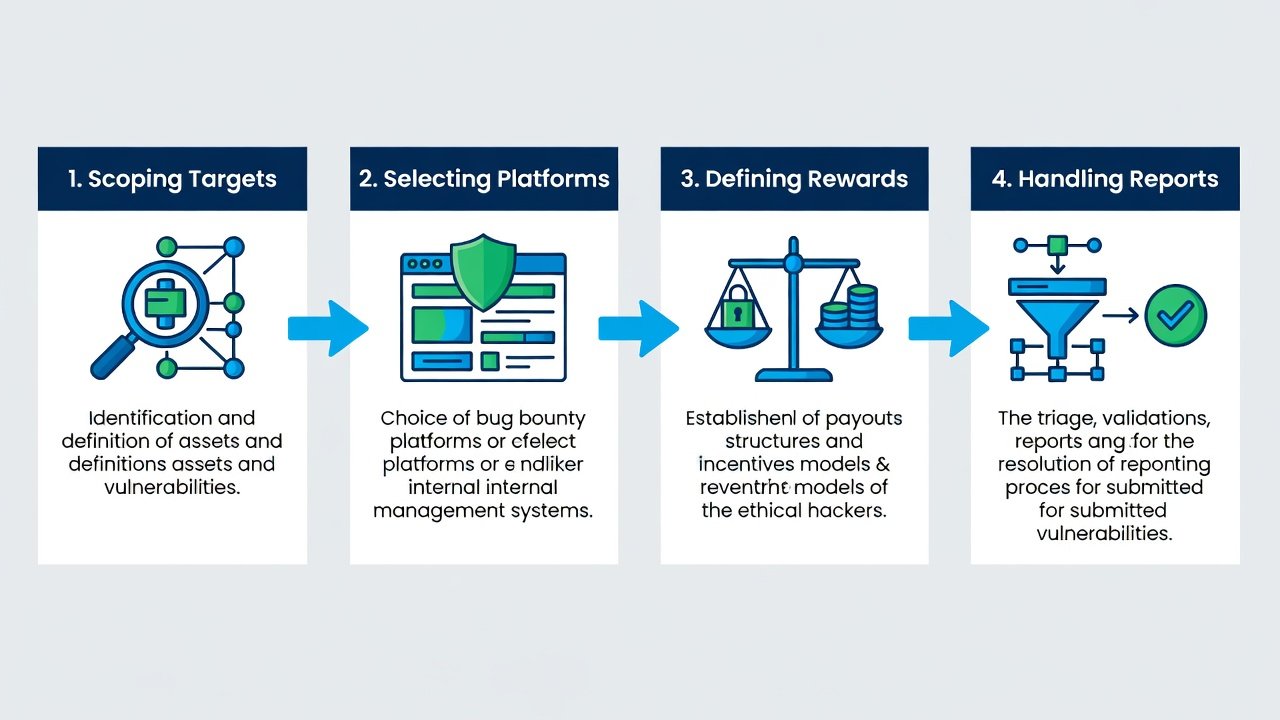
Successful programs begin with clear objectives and executive buy-in. Define the scope by identifying critical assets like web applications, mobile apps, internal networks, and third-party integrations. Establish rules of engagement to prevent accidental disruptions, including prohibited actions such as denial-of-service testing on production systems. Next, select a suitable platform that matches your team's experience level. Prepare legal documentation including terms of service, safe harbor agreements, and data handling policies. Set reward tiers based on severity using frameworks like CVSS, with higher payouts for privacy-related findings. Start with a private program to test processes before expanding to public participation. Finally, assemble an internal response team trained in triage and remediation workflows to ensure timely handling of incoming reports.
Selecting the Right Bug Bounty Platform
Platform choice depends on team size, technical needs, and budget considerations. Evaluate features such as automated triage, integration with tools like Jira or Slack, researcher reputation systems, and built-in disclosure management. Consider platforms with strong privacy controls to handle sensitive findings responsibly and comply with data residency laws. Many organizations begin with managed services that provide dedicated support and initial researcher recruitment, then transition to self-managed options as internal expertise grows. Key decision factors include response time guarantees, reporting templates, and analytics dashboards that track program health over time.
Designing Effective Reward Structures
Rewards should motivate high-quality submissions without encouraging low-effort or duplicate reports. Tier payouts according to impact, with bonuses for critical vulnerabilities affecting data privacy or leading to immediate patches. Clear communication of payment timelines, typically within 30 days of validation, builds trust with participants. Monitor industry benchmarks to remain competitive while controlling overall costs through thoughtful scoping and severity definitions. Some programs offer non-monetary incentives such as swag, public recognition, or conference invitations to foster long-term engagement from top researchers.
Integrating Bug Bounties with Existing Security Practices
Bug bounties work best alongside penetration testing, continuous monitoring, and secure software development lifecycles. Use findings to update threat models, improve code review processes, and prioritize security investments. Share anonymized insights across development and operations teams to foster a security-first culture. Regular program reviews ensure alignment with emerging technologies such as AI-driven defenses and zero-knowledge architectures. This integration turns one-time discoveries into lasting improvements in resilience and privacy protection.
Real-World Case Studies of Successful 2026 Campaigns
Several major firms demonstrated strong results through well-managed programs in 2026. One financial services company reduced breach risks by implementing a public program focused on API endpoints, discovering over 150 valid issues in the first quarter and achieving faster remediation cycles. Another tech enterprise used targeted private bounties to secure new product launches, identifying critical authentication flaws that could have affected millions of users. These examples highlight the value of clear communication, responsive triage teams, and iterative scope adjustments based on researcher feedback. Smaller organizations have also succeeded by starting narrow and scaling based on early wins.
Comparing Bug Bounties to Traditional Penetration Testing
Penetration testing offers scheduled, controlled assessments with known testers and fixed deliverables suitable for compliance audits. Bug bounties provide continuous, diverse perspectives from hundreds of researchers who test in real-world conditions over extended periods. Many organizations combine both approaches for comprehensive coverage, using pen tests for deep infrastructure reviews and bounties for ongoing discovery of edge cases in production environments. Bug bounties particularly excel at uncovering novel attack vectors in complex, interconnected systems that static testing might overlook.
Actionable Checklists for Program Success
- Define scope and exclusions in detail before launch, including out-of-scope assets and testing restrictions.
- Establish response SLAs for all report severities, such as 24-hour acknowledgment for critical issues.
- Train internal teams on handling submissions professionally and maintaining researcher confidentiality.
- Track key metrics including time-to-resolution, researcher retention rates, and vulnerability severity distribution.
- Conduct quarterly program reviews to adjust scope, rewards, and engagement strategies based on performance data.
- Implement a feedback loop where validated reports directly inform security training and policy updates.
Common Pitfalls and How to Avoid Them
False positives consume valuable time and frustrate both teams and researchers. Mitigate this through detailed scoping documents, initial private testing phases, and clear severity guidelines. Another frequent issue involves poor researcher engagement leading to low submission quality; address it with timely feedback, fair compensation, and recognition programs. Legal risks arise from unclear policies or inadequate safe harbor language, so consult experts when drafting agreements. Overly broad scopes can also overwhelm small teams, making phased rollouts essential for sustainable growth.
Measuring ROI and Scaling for Small Teams
Calculate return by comparing remediation costs against potential breach expenses avoided, often using industry averages for breach impact calculations. Track improvements in vulnerability discovery rates and mean time to remediation over successive quarters. Small teams can start with limited scopes focused on high-value assets and leverage platform automation to manage workload efficiently without dedicated full-time staff. Scaling involves gradually increasing researcher access, refining internal processes, and potentially adding dedicated program managers as submission volume grows.
Frequently Asked Questions
What legal considerations apply to bug bounty programs?
Programs require safe harbor clauses protecting researchers acting in good faith, along with compliance with local laws on unauthorized access and data protection. Consult legal counsel familiar with cybersecurity regulations before launch to draft robust policies.
How can organizations engage participants effectively?
Provide clear guidelines, prompt responses to reports, and recognition for top contributors through leaderboards, public thanks, or exclusive events. Consistent communication and fair reward distribution help build a loyal researcher community.
Is scaling feasible for smaller organizations?
Yes, begin privately with focused targets and limited rewards, then expand gradually as processes mature and internal capacity increases. Automation tools on major platforms reduce administrative burden significantly.
Conclusion
Bug bounty programs represent a powerful addition to 2026 cybersecurity strategies. By following structured implementation steps, organizations enhance defenses while protecting data privacy. Continuous refinement and integration with existing practices ensure long-term success against emerging threats. For additional authoritative resources, explore guidance from CISA, OWASP, and NIST.


No comments yet. Be the first!