 NeoBit Daily

As the number of connected devices continues to surge in 2026, with households and businesses managing dozens of smart gadgets ranging from thermostats to industrial sensors, protecting IoT ecosystems has never been more critical. Rising cybersecurity threats and data privacy risks demand proactive measures that go beyond basic passwords. This comprehensive guide helps beginners identify device vulnerabilities and implement effective defenses, focusing on practical strategies tailored to current trends in device adoption while emphasizing privacy throughout.
Understanding IoT Vulnerabilities in 2026
The Internet of Things encompasses everyday objects enhanced with internet connectivity, creating expansive networks that transmit sensitive information. In 2026, increased adoption means more entry points for attackers, especially as smart homes average over 50 devices per household and enterprises integrate IoT into operations. Vulnerabilities often stem from manufacturers prioritizing convenience over security, resulting in devices shipped with minimal protections. Data privacy concerns arise when personal information like location data or health metrics flows unsecured across networks. Without intervention, these weaknesses can lead to widespread compromises, underscoring the need for users to take control of their setups from day one.
Common Attack Vectors
Attackers target IoT systems through multiple pathways that exploit inherent design flaws. Default or easily guessable passwords remain a top vector, allowing automated bots to gain instant access to cameras and routers. Unpatched firmware leaves devices exposed to publicly known exploits long after patches become available. Insecure communication protocols enable interception of data in transit, while physical tampering with exposed hardware bypasses digital safeguards entirely. Third-party app integrations can introduce hidden backdoors, and supply-chain compromises affect entire fleets of devices before they reach consumers. Understanding these vectors allows users to prioritize defenses that safeguard data privacy and limit potential damage from breaches.
Step-by-Step Configuration Best Practices
Securing IoT devices starts with deliberate configuration changes applied immediately after unboxing. Begin by replacing every default credential with strong, unique passwords stored in a reputable password manager. Next, enable automatic firmware updates and manually verify that devices pull updates only from official manufacturer servers to avoid tampering. Disable features like universal plug and play or remote management unless actively needed, as these often open unnecessary ports. Activate end-to-end encryption for all data transmissions using protocols such as TLS 1.3 where supported. Review permissions for any companion mobile apps, revoking access to location or contacts that are not essential. Finally, restart devices after changes and test connectivity to confirm no functionality is lost. These steps form the foundation of a secure IoT environment and should be revisited whenever new devices join the network.
Network Segmentation for Enhanced Protection
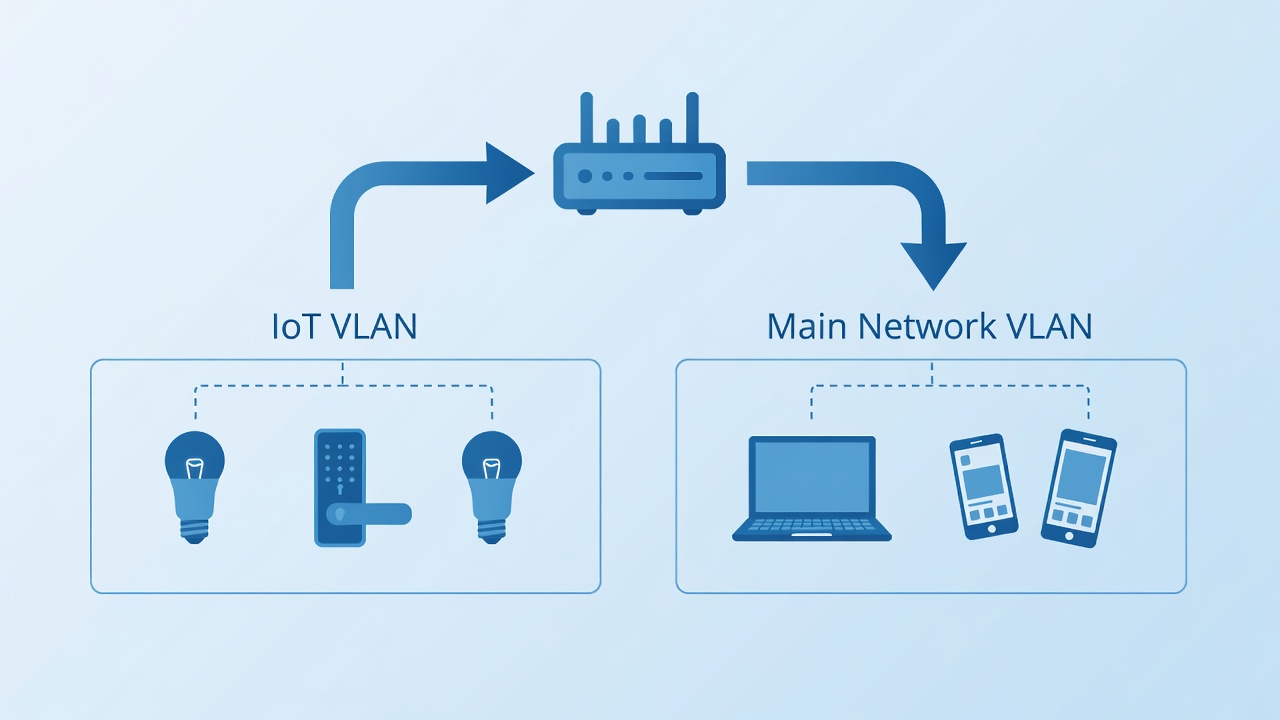
Expert recommendations strongly advocate isolating IoT devices from primary computing resources through network segmentation. This technique confines potential breaches to a limited zone, preventing attackers from pivoting to laptops or cloud accounts containing critical data. Implement segmentation by creating a dedicated VLAN or using the guest network feature on modern routers, assigning all smart bulbs, locks, and sensors to this isolated subnet. Advanced users can employ managed switches or mesh Wi-Fi systems with built-in zoning capabilities. Regularly audit the segmented network for unauthorized devices and apply firewall rules that block inter-subnet traffic except for approved outbound connections. This approach significantly strengthens data privacy by reducing the blast radius of any single compromise.
Comparing Popular IoT Security Tools
Several tools help monitor and defend IoT environments, each offering distinct strengths. Manufacturer dashboards provide basic visibility into device status and update status but often lack advanced analytics. Third-party platforms deliver real-time anomaly detection and centralized alerts across mixed-vendor ecosystems, though integration complexity varies. Open-source solutions emphasize transparency and customization, appealing to privacy-conscious users who prefer to avoid proprietary data collection. When evaluating options, consider factors such as compatibility with existing hardware, frequency of threat signature updates, and the granularity of privacy controls. Users should test tools in small pilots before full deployment to ensure they align with specific network topologies and data-handling requirements.
Real-World Case Examples of Breaches Prevented
Practical illustrations demonstrate the value of these measures. A mid-sized office building avoided a credential-stuffing attack on its smart HVAC system after implementing network segmentation and multi-factor authentication, keeping operational data private. In a residential scenario, a homeowner detected unusual outbound traffic from a compromised camera through monitoring software and isolated the device before personal video feeds were exfiltrated. Another enterprise prevented lateral movement from a tampered industrial sensor by maintaining strict VLAN boundaries and regular firmware audits. These examples highlight how layered defenses stop threats early, preserving both security and user trust in connected technology.
Actionable Checklist
Use this checklist to systematically strengthen your IoT setup:
- Inventory every connected device and document its firmware version monthly.
- Apply network segmentation within the first week of adding new hardware.
- Enable multi-factor authentication on all accounts linked to IoT apps.
- Configure traffic monitoring alerts for unusual patterns or unexpected data volumes.
- Educate all household members or employees about recognizing phishing attempts aimed at IoT credentials.
- Perform quarterly reviews of app permissions and revoke unnecessary access.
- Verify encryption settings on data flows between devices and cloud services.
Mistakes to Avoid
Common pitfalls undermine even well-intentioned security efforts. Users often skip firmware updates due to fear of breaking functionality, leaving devices exposed. Over-reliance on a single security tool without complementary segmentation creates single points of failure. Ignoring physical security, such as leaving devices in accessible locations, invites tampering. Failing to segment networks allows a single compromised bulb to threaten an entire home network. Avoiding these mistakes requires consistent habits rather than one-time fixes.
Frequently Asked Questions
How often should IoT firmware be updated?
Enable automatic updates when available and perform manual checks at least quarterly to stay ahead of emerging vulnerabilities.
Is network segmentation difficult for beginners?
Many consumer routers include one-click guest network options that achieve basic isolation; more advanced VLAN setups require only basic router interface navigation.
Can smart devices be secured without replacing them?
Absolutely, by applying the configuration steps, segmentation techniques, and monitoring tools outlined above to legacy hardware still in use.
What role does data privacy play in IoT security?
Data privacy ensures that personal information collected by devices remains protected from unauthorized access or resale, complementing technical security controls.
Are open-source security tools reliable for IoT?
Yes, when sourced from active communities and regularly maintained, they offer strong transparency and customization while reducing reliance on commercial vendors.
Conclusion
By combining vulnerability awareness, meticulous configuration, network segmentation, and ongoing monitoring, users can build resilient IoT environments that protect against hacks while upholding data privacy standards in 2026. Begin with foundational changes and layer additional controls as familiarity grows. For authoritative further reading, consult resources from NIST, CISA, and OWASP.


No comments yet. Be the first!