 NeoBit Daily

Introduction to Ransomware in 2026
Ransomware remains one of the most disruptive cyber threats facing organizations today. As we enter 2026, the landscape is shifting due to advancements in attacker capabilities, including greater use of automation and integration with other cybercrime techniques. This evolution demands that cybersecurity professionals adopt forward-looking strategies rather than relying on outdated playbooks. The implications extend beyond simple data loss to serious data privacy violations, regulatory penalties, and long-term business disruption. This comprehensive guide examines projected tactics for the coming year, analyzes patterns from recent incidents, and delivers practical, in-depth advice on mitigation. Readers will find detailed comparisons of defense approaches, real-world examples, and a thorough implementation roadmap for resilient backup systems.
Emerging Tactics: Double Extortion Methods
Double extortion has matured into a multi-stage operation where attackers first exfiltrate sensitive data before deploying encryption. In 2026, this method is expected to incorporate machine learning algorithms that automatically prioritize files based on their potential value for leaks, such as intellectual property or personal health information. Attackers may also combine this with targeted harassment of executives or customers to amplify pressure. The privacy implications are severe because leaked data can lead to identity theft, compliance failures under frameworks like GDPR, and loss of customer trust. Organizations must therefore focus on data classification and monitoring outbound traffic to detect exfiltration early. Practical defenses include deploying user behavior analytics tools that flag unusual data access patterns and implementing strict access controls to limit what any single account can reach.
Cloud Targeting Strategies
Cloud environments present attractive targets due to their scale and often complex permission structures. Attackers in 2026 are projected to exploit container misconfigurations and serverless function vulnerabilities to gain persistence across hybrid setups. Once inside, they can encrypt workloads at scale while simultaneously threatening to expose customer data stored in shared buckets. This tactic increases the blast radius of attacks, affecting multiple organizations simultaneously. To counter this, security teams should conduct regular cloud configuration audits and enforce least-privilege principles using identity and access management policies. Continuous monitoring of cloud logs for anomalous API calls is essential.
Real-World Case Examples
Patterns from late 2025 incidents provide clear indicators of what to expect. One notable case involved a manufacturing firm whose cloud storage was compromised through a third-party vendor, resulting in both encryption and threatened leaks of proprietary designs. Recovery took weeks and required coordination with law enforcement. Another example from the financial sector showed how double extortion combined with credential stuffing led to the exposure of client records, triggering regulatory investigations. These cases highlight the need for supply-chain security assessments and rapid incident detection capabilities. Cybersecurity professionals can learn from these by simulating similar scenarios in tabletop exercises to refine response playbooks.
Comparing Legacy and Advanced Defense Tools
Legacy signature-based antivirus products struggle against polymorphic and fileless ransomware variants that dominate modern attacks. In contrast, advanced solutions leverage behavioral detection, artificial intelligence, and endpoint detection and response (EDR) platforms to identify threats in real time. Zero-trust network access models further reduce lateral movement opportunities. When evaluating tools, organizations should consider integration capabilities with existing SIEM systems and the vendor's track record in handling emerging threats. Advanced tools often provide detailed forensic data that aids post-incident analysis, whereas legacy systems may only offer basic alerts. A hybrid approach that combines both can serve as a transitional strategy while full modernization occurs.
Step-by-Step Implementation Guide for Backups
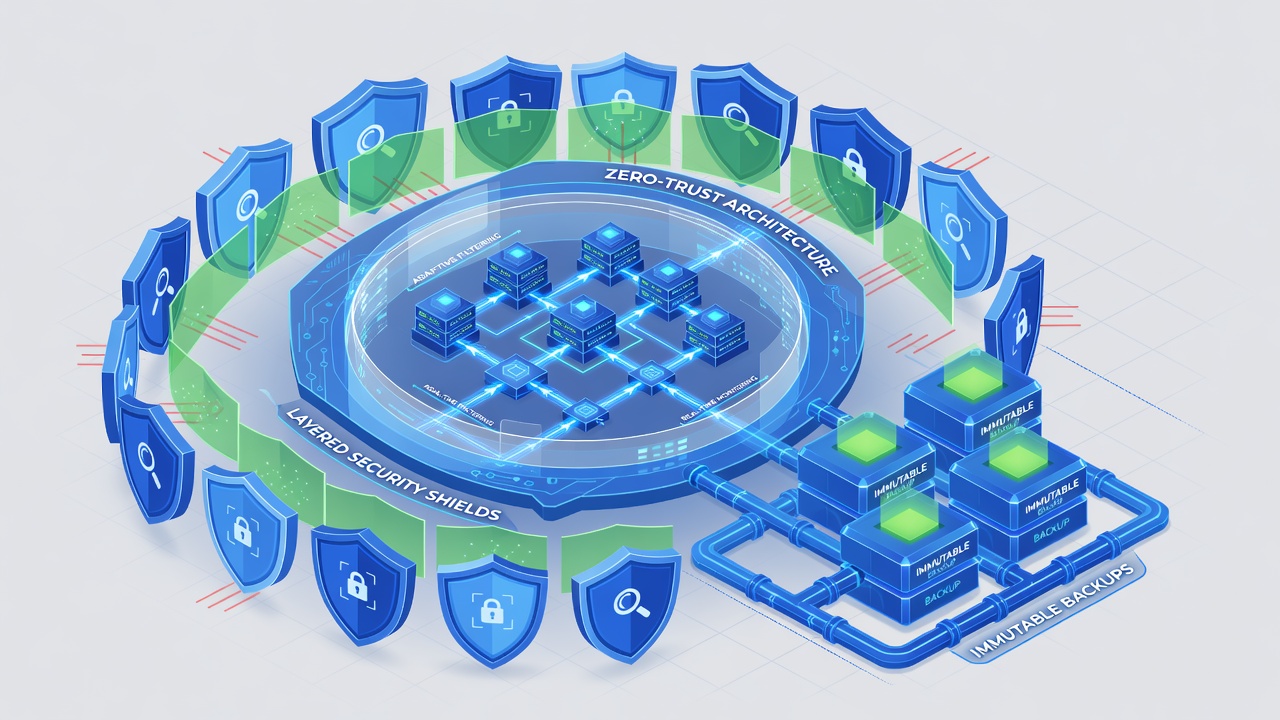
A robust backup strategy forms the foundation of ransomware resilience. Begin by conducting a thorough asset inventory to categorize data by criticality and recovery time objectives. Next, select storage solutions that support immutability, ensuring backups cannot be altered or deleted by ransomware. Implement the 3-2-1 rule: three copies of data on two different media types with one copy stored offsite or in a separate cloud region. Automate backup schedules to run frequently, with verification processes that test restores monthly. Encrypt all backups using strong algorithms and manage keys separately from production systems. Finally, document the entire process in a runbook and train relevant personnel through regular drills. This multi-layered approach minimizes downtime and supports compliance with data privacy regulations.
Implications for Data Privacy
Ransomware evolution directly threatens data privacy because many attacks now prioritize data theft over encryption alone. In 2026, attackers may sell or auction stolen datasets on dark web markets, leading to prolonged exposure. Organizations must align their defenses with privacy-by-design principles, including data minimization and regular deletion of unnecessary records. Incident response plans should incorporate privacy impact assessments to determine notification requirements under applicable laws.
Mistakes to Avoid
Common pitfalls include neglecting to test backup restores, over-relying on a single vendor solution, and failing to segment networks properly. Another frequent error is delaying patches for known vulnerabilities that ransomware operators actively exploit. Cybersecurity teams should prioritize these areas to strengthen their overall posture.
FAQ on Incident Response
- What should be the first step in a ransomware incident? Immediately isolate affected systems from the network to contain the spread while preserving evidence for investigation.
- How do you decide whether to pay a ransom? Engage legal counsel and law enforcement early; payments do not guarantee data recovery and may violate regulations in certain jurisdictions.
- What role does data privacy play during recovery? Assess potential breaches of personal information and prepare notifications to affected individuals and regulators within required timeframes.
- How can organizations prepare for cloud-specific attacks? Maintain offline or air-gapped copies of critical cloud data and regularly validate access controls.
- Where can teams find authoritative guidance? Consult resources from CISA, NIST, and FBI for up-to-date recommendations.
Conclusion
The ransomware threat landscape in 2026 will reward organizations that invest in layered defenses, rigorous backup practices, and privacy-conscious operations. By understanding emerging tactics and implementing the detailed strategies outlined above, cybersecurity professionals can significantly reduce their exposure. Continuous education and adaptation remain essential in this dynamic environment.


No comments yet. Be the first!