 NeoBit Daily
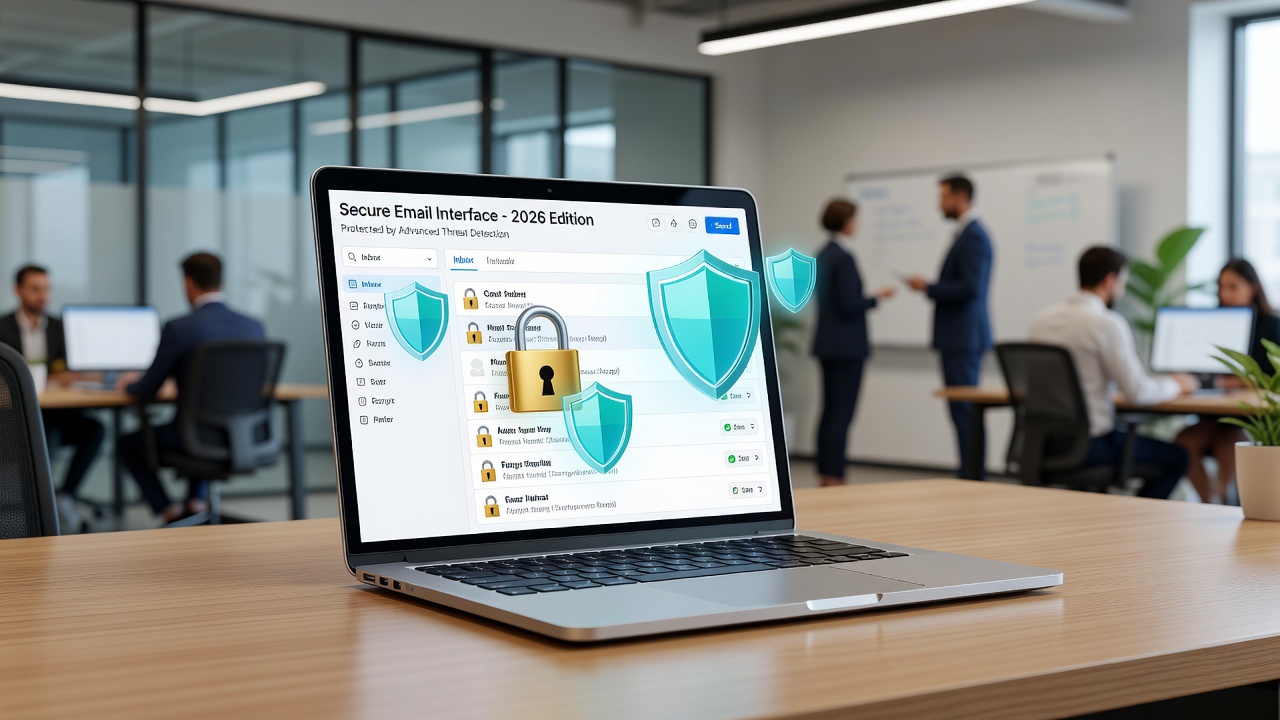
Introduction: Why Email Security Matters More Than Ever in 2026
Email remains one of the most targeted attack vectors for cybercriminals. As phishing tactics grow more sophisticated with AI assistance, users must adopt proactive defenses to safeguard sensitive data. This guide provides beginner-friendly, step-by-step advice tailored to 2026 trends, helping you recognize threats, secure accounts, and maintain privacy compliance. Email accounts often serve as the central hub for personal and professional communications, making them prime targets for data theft, financial fraud, and identity compromise. In an era where remote work and digital transactions dominate, the volume of sensitive information flowing through inboxes has increased dramatically, amplifying the potential impact of any successful breach.
According to recent reports, email-based attacks continue to dominate breach statistics. Understanding these risks is the first step toward effective protection. This comprehensive resource goes beyond surface-level tips to deliver actionable strategies that individuals and organizations can implement immediately. By the end of this guide, you will have a clear roadmap for building resilient email defenses that evolve alongside emerging threats.
Why Email Continues to Be a Top Attack Vector
Phishing emails often impersonate trusted sources to trick recipients into revealing credentials or downloading malware. In 2026, attackers leverage deepfake voice notes and personalized content drawn from social media. These methods exploit human psychology through social engineering rather than purely technical exploits. The accessibility of email protocols and the ease of spoofing sender addresses contribute to its persistent popularity among threat actors. Unlike more isolated systems, email integrates with calendars, cloud storage, and third-party apps, creating multiple pathways for lateral movement once initial access is gained.
Real-world examples from early 2026 include large-scale campaigns targeting corporate inboxes with fake invoice requests, leading to credential theft and ransomware deployment. Email's ubiquity makes it an easy entry point compared to more secure channels. Attackers frequently combine email phishing with other vectors such as SMS or social media messages to increase success rates. The result is a multi-channel assault that overwhelms traditional defenses if users lack proper training and layered controls.
Step-by-Step Account Hardening for 2026
Begin by enabling multi-factor authentication (MFA) on all email accounts. Prefer app-based authenticators or hardware keys over SMS codes, which can be intercepted through SIM swapping. Next, audit connected apps and revoke unnecessary permissions through account settings. Review third-party integrations regularly, as many breaches originate from compromised OAuth tokens granted to less-secure applications.
Update passwords to long, unique passphrases and use a reputable password manager. Regularly review login activity for unusual locations or devices. These foundational steps significantly reduce unauthorized access risks. Additional measures include configuring account recovery options with trusted secondary contacts and enabling login notifications for every new device or location. Consider implementing conditional access policies if your provider supports them, which can block sign-ins from high-risk regions or during unusual hours.
- Enable MFA everywhere and test recovery flows quarterly
- Conduct a full app permission audit at least once per month
- Use hardware security keys for high-value accounts
- Activate advanced protection programs offered by major providers
- Monitor for data exposure on public breach databases
Recognizing Advanced Social Engineering Tactics
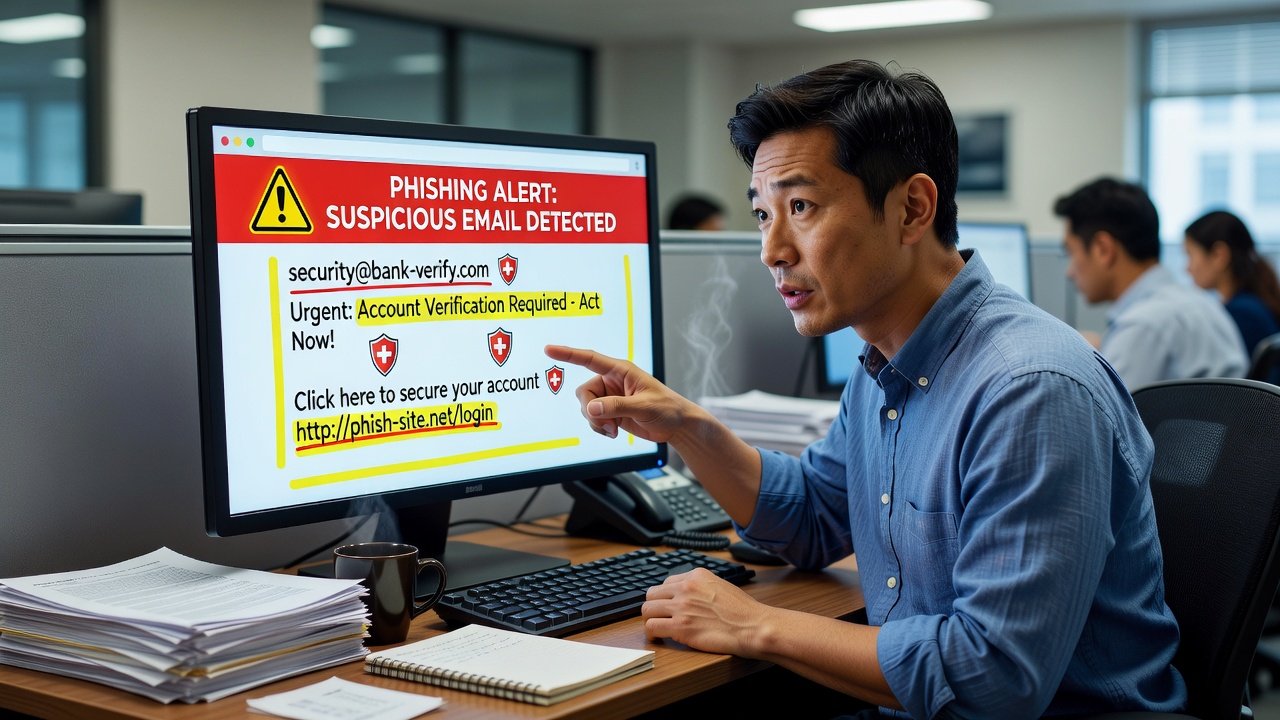
Modern phishing goes beyond generic messages. Look for urgent language, slight domain misspellings, and requests for sensitive actions. Advanced attacks may include cloned websites or manipulated attachments that appear legitimate. Attackers often research targets through LinkedIn and company websites to craft highly convincing pretexts, such as referencing recent projects or internal reorganizations.
Train yourself to pause before clicking links. Hover over URLs to inspect destinations and verify sender details independently. Organizations should conduct simulated phishing exercises to build employee awareness. Common red flags include unexpected attachments, mismatched email signatures, and pressure to act quickly without verification. In 2026, watch for AI-generated content that mimics writing styles of colleagues or executives with uncanny accuracy.
Implementing Email Encryption Effectively
Encryption protects message content from interception. Use end-to-end solutions such as PGP or S/MIME for sensitive communications. Many providers now offer built-in options that require minimal setup. For maximum protection, combine message encryption with secure file-sharing services when sending large documents containing confidential information.
For everyday use, enable transport layer security (TLS) and consider services with automatic encryption. Always encrypt attachments containing personal or financial data to maintain privacy standards. Test encryption workflows with trusted contacts to ensure compatibility and avoid delivery issues. Organizations handling regulated data should document encryption policies and train staff on proper key management to prevent accidental exposure.
Comparing Free vs Enterprise Email Security Tools
Free tools offer basic spam filtering and MFA but lack advanced threat intelligence and dedicated support. Enterprise solutions provide real-time monitoring, behavioral analysis, and compliance reporting suitable for teams handling regulated data. Free options often rely on community-driven blocklists, which can lag behind sophisticated campaigns, while paid platforms incorporate machine learning models trained on global threat data.
Choose based on your needs: individuals may start with enhanced free tiers, while businesses benefit from scalable platforms with centralized dashboards and incident response features. Enterprise tools frequently include sandboxing for suspicious attachments and detailed audit logs that simplify forensic investigations after an incident. Evaluate both categories by testing them against simulated phishing scenarios before committing long-term.
Selecting Secure Email Providers in 2026
Prioritize providers with strong privacy policies, zero-knowledge encryption, and transparent breach disclosure. Evaluate uptime records, independent audits, and integration with security ecosystems. Look for providers that publish transparency reports and participate in bug bounty programs to demonstrate ongoing commitment to security.
Popular options balance usability with robust defenses against evolving threats. Review CISA resources for government-backed recommendations on secure email practices. Additional guidance is available from NIST cybersecurity frameworks and privacy-focused organizations such as EFF. When comparing providers, examine their data residency options and support for custom domain configurations that maintain branding while enhancing security.
Real-World 2026 Breach Examples and Lessons Learned
Early 2026 saw several high-profile incidents where phishing bypassed basic filters, resulting in exposed customer records. One notable case involved a healthcare provider whose staff fell victim to a targeted campaign mimicking internal communications. Attackers used harvested employee names and recent project details to create highly believable messages that requested urgent password resets.
These events underscore the importance of continuous training and layered defenses. Organizations that implemented encryption and strict access controls recovered faster with minimal data loss. Post-incident analyses revealed that delayed detection often amplified damage, highlighting the need for automated alerting and rapid response playbooks. Learning from these examples helps individuals and teams anticipate similar tactics in their own environments.
Common Mistakes to Avoid in Email Security
Many users overlook small configuration details that create significant vulnerabilities. For instance, reusing passwords across multiple services remains a widespread issue that enables credential-stuffing attacks. Another frequent mistake is ignoring software updates on email clients and mobile apps, leaving known exploits unpatched. Failing to verify email addresses before sending sensitive information can also lead to misdirected data.
Organizations sometimes skip regular security awareness training, assuming technical controls alone suffice. In reality, human error continues to be the leading cause of successful phishing. Create checklists for new employees and schedule recurring refresher sessions to keep awareness high throughout the year.
Conclusion: Building Long-Term Email Resilience
Defending against phishing requires ongoing vigilance. Combine technical controls with user education to create a strong security posture. By following the steps outlined, you can significantly lower your risk profile in 2026 and beyond. Regular reviews of your security setup ensure that defenses keep pace with attacker innovations.
FAQ
How does email security relate to compliance standards?
Regulations such as GDPR and HIPAA require reasonable safeguards for personal data transmitted via email. Regular monitoring and encryption help demonstrate due diligence during audits. Non-compliance can result in substantial fines and reputational damage, making proactive email security both a technical and legal necessity.
What are best practices for ongoing monitoring?
Set up alerts for suspicious logins and review security dashboards weekly. Consider third-party services for advanced anomaly detection to stay ahead of threats. Maintain an incident response plan that includes clear escalation paths and post-incident review processes to continuously improve defenses.
No comments yet. Be the first!