 NeoBit Daily

Introduction to 2026 Data Privacy Regulations
As organizations navigate an increasingly complex digital landscape, 2026 brings significant updates to data privacy laws that directly influence cybersecurity practices. These regulations emphasize accountability, transparency, and robust protection measures, requiring businesses to adapt their security frameworks proactively. This guide provides in-depth analysis and actionable advice for compliance professionals and IT leaders seeking to align strategies with the latest requirements. The evolution of these laws reflects growing concerns over data breaches, AI misuse, and cross-border data flows, making compliance not just a legal necessity but a strategic advantage for building customer trust.
Major Regulatory Changes in 2026
Key updates include expanded definitions of personal data, stricter consent mechanisms, and mandatory breach notification timelines shortened to 48 hours in several jurisdictions. Enhanced penalties for non-compliance now reach up to 4% of global annual revenue in major frameworks. These changes build on existing laws while introducing new obligations around AI-driven data processing and cross-border transfers. For instance, updates to frameworks like GDPR equivalents now require explicit documentation of algorithmic decision-making processes, while new regional laws in Asia and North America introduce data localization requirements for certain sensitive sectors. Organizations must also prepare for enhanced rights for individuals, including easier access to data deletion requests and portability across platforms.
Conducting Effective Risk Assessments for Data Privacy
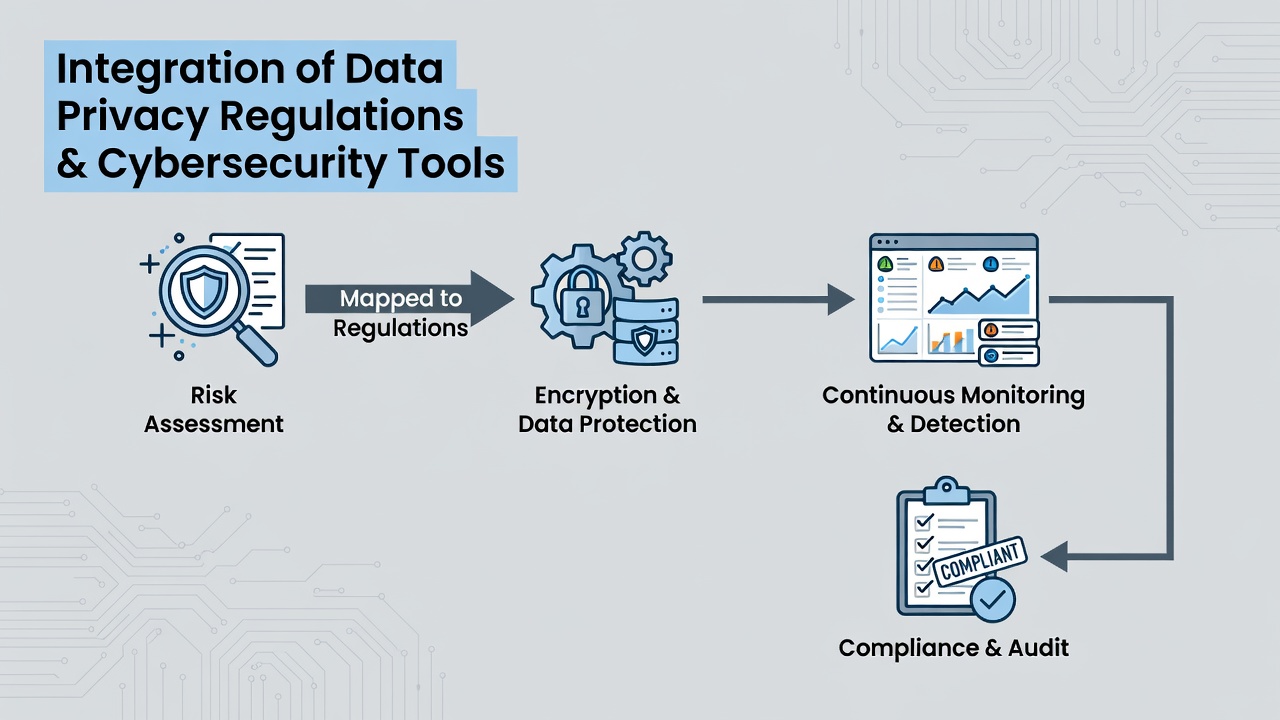
A thorough risk assessment forms the foundation of compliance. Begin by mapping all data flows, identifying sensitive information categories, and evaluating potential threats from internal and external actors. Use frameworks that incorporate likelihood and impact scoring to prioritize mitigation efforts. Regular assessments, conducted quarterly, help organizations stay ahead of evolving threats. To make this practical, start with asset discovery using automated scanning tools, followed by threat modeling workshops involving cross-functional teams. Document findings in a centralized register and review them against regulatory checklists. Include third-party vendor evaluations since supply chain risks have become a major focus. This process should also factor in emerging technologies like IoT devices and cloud environments that introduce new vulnerabilities.
Integrating Regulations with Existing Security Tools
Modern compliance requires seamless integration between privacy rules and cybersecurity infrastructure. Tools such as data loss prevention systems, encryption platforms, and identity management solutions must be configured to enforce privacy-by-design principles. Automated monitoring and reporting features enable real-time visibility into compliance status. For example, integrate SIEM platforms with privacy management software to flag unauthorized access attempts instantly. Encryption solutions should support key management that aligns with consent revocation rules, while access controls need to incorporate role-based permissions tied to data minimization policies. Testing these integrations through simulated breach scenarios ensures they function under pressure.
Common Pitfalls Highlighted by Recent Hacking Incidents
Analysis of 2025-2026 breaches reveals recurring issues like inadequate access controls, unpatched vulnerabilities in third-party software, and insufficient employee training on data handling. Organizations that failed to implement multi-factor authentication or neglected supply-chain security suffered the most significant impacts. Learning from these cases underscores the need for continuous vigilance and layered defenses. Recent incidents involving ransomware attacks on healthcare providers demonstrated how weak endpoint protection combined with poor data segmentation led to massive leaks. Another common mistake is over-reliance on legacy systems without updating them to meet new encryption standards, resulting in regulatory scrutiny and fines.
Step-by-Step Implementation Tips
- Inventory all data assets and classify them according to sensitivity levels, using automated discovery tools to ensure nothing is overlooked.
- Update privacy policies and obtain explicit consent where required, redesigning user interfaces for clearer opt-in mechanisms.
- Deploy encryption for data at rest and in transit across all systems, including mobile and cloud environments.
- Train staff on new regulatory obligations and incident response protocols through interactive modules and regular refreshers.
- Establish audit trails and conduct periodic compliance testing with both internal teams and external auditors.
- Partner with legal experts to review cross-border data agreements and implement data residency controls where mandated.
- Monitor for regulatory updates via official channels and adjust policies accordingly on a monthly basis.
Real-World Examples of Compliant vs Non-Compliant Setups
A compliant financial services firm implemented end-to-end encryption and automated consent management, resulting in zero regulatory fines during audits. In contrast, a retail company that relied on legacy systems without proper segmentation experienced a major breach, leading to substantial penalties and reputational damage. These examples highlight the tangible benefits of proactive measures. Another case involved a tech startup that adopted privacy-by-design from inception, passing multiple international audits seamlessly, whereas a manufacturing company ignored vendor risk assessments and faced cascading breaches through its suppliers.
Comparing Global vs Regional Standards
Global standards promote harmonization through principles like those outlined by international bodies, while regional rules often add localized requirements such as data localization mandates. For multinational operations, adopting the strictest applicable standards ensures broader coverage. NIST guidelines offer valuable resources for aligning these frameworks effectively. In Europe, stricter consent rules contrast with more flexible approaches in parts of Asia, but all emphasize breach reporting speed. ICO resources provide practical templates, and FTC guidance helps US-based firms bridge gaps with global operations.
Building a Culture of Compliance and Continuous Monitoring
Beyond technical measures, fostering a company-wide culture of privacy awareness is essential. This involves leadership commitment, regular awareness campaigns, and embedding compliance metrics into performance reviews. Continuous monitoring through dashboards that track key indicators like consent rates and access logs helps detect deviations early. Organizations should also prepare incident response playbooks tailored to 2026 timelines and conduct tabletop exercises quarterly.
Conclusion
Staying compliant with 2026 data privacy regulations demands ongoing commitment to cybersecurity best practices. By focusing on risk management, tool integration, and lessons from past incidents, organizations can build resilient strategies that protect both data and reputation while gaining competitive advantages in trust and operational efficiency.
FAQ: Top Security Tips for Ongoing Adherence
How often should compliance audits be performed?
Quarterly internal reviews supplemented by annual external audits are recommended to maintain alignment with regulatory expectations and catch issues before they escalate.
What role does employee training play in compliance?
Regular training reduces human-error risks and ensures staff understand evolving obligations, forming a critical layer of defense against both accidental and intentional data mishandling.
Are there specific tools recommended for global compliance?
Platforms supporting unified policy enforcement across regions help manage diverse requirements efficiently. Reference official guidance for tailored recommendations.
How can small businesses approach these regulations without large budgets?
Focus on scalable open-source tools, prioritize high-risk data areas first, and leverage free resources from regulatory bodies to build foundational compliance programs.

No comments yet. Be the first!