 NeoBit Daily
Introduction to AI-Powered Creative Machine Learning in 2026
Artificial intelligence continues to reshape how artists and musicians approach creation. In 2026, creative machine learning workflows leverage advanced models for rapid ideation, style experimentation, and collaborative generation. This guide provides actionable steps for beginners and professionals seeking to integrate tools that handle neural style transfer, GAN-based music composition, and real-time platforms. Generative AI accelerates traditional processes by analyzing vast datasets of images and audio. Artists can now transfer artistic styles in seconds rather than hours, while musicians generate original compositions that mimic specific genres or artists. The focus remains on practical acceleration of workflows without replacing human creativity. Market adoption has grown substantially as indie creators seek competitive edges in saturated digital spaces. Understanding the underlying architectures helps users select appropriate tools and avoid common pitfalls like overfitting or low-fidelity outputs.
Neural Style Transfer for Visual Art Creation
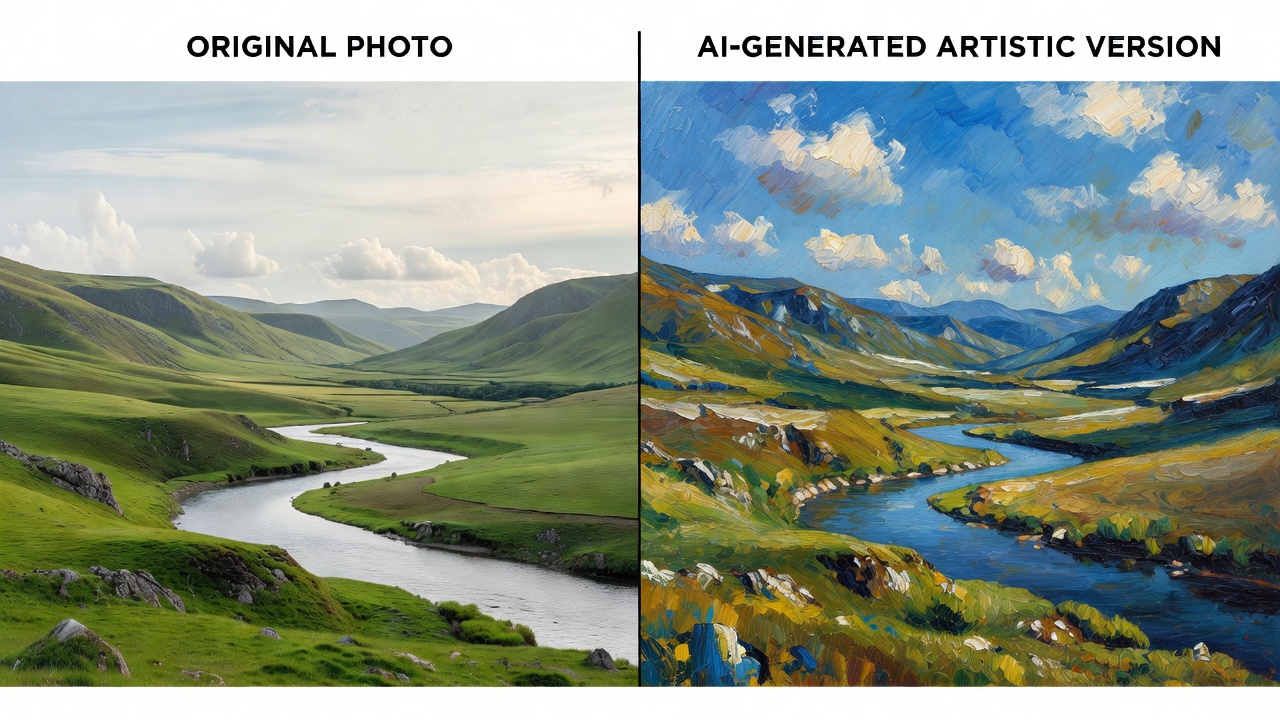
Neural style transfer applies the aesthetic elements of one image to the content of another. Tools built on frameworks like TensorFlow enable this through convolutional neural networks that separate content and style representations. This technique draws from research in computer vision, allowing precise control over visual outputs. In practice, it supports everything from fine art reproductions to commercial design prototypes. The process relies on optimizing a loss function that balances content preservation with style replication, often requiring multiple iterations for optimal results.
Step-by-Step Tutorial for Beginners
- Install a compatible environment using Python and libraries from TensorFlow. Ensure your system meets GPU requirements for faster processing times.
- Load a content image (your original sketch) and a style reference image (famous artwork). Preprocess both to match the model's input dimensions, typically resizing to 512x512 pixels.
- Run the model to compute feature maps and optimize the output over 100-500 iterations. Monitor the loss values to prevent over-stylization that distorts original elements.
- Export the stylized result and iterate by adjusting parameters for color intensity or texture detail. Experiment with different optimizer settings like Adam or L-BFGS for varied convergence speeds.
- Post-process the image using basic filters in tools such as GIMP or Photoshop to refine edges and enhance vibrancy before final export.
Real-world indie artists report completing gallery-ready pieces in under an hour using optimized versions of these pipelines. Advanced users often chain multiple transfers to create layered compositions that blend several artistic influences simultaneously.
GAN-Based Music Composition Techniques
Generative Adversarial Networks excel at producing coherent audio sequences. In music generation, one network creates melodies while another evaluates realism against training data from classical or electronic corpora. This adversarial training leads to outputs that capture rhythmic patterns and harmonic structures effectively. Musicians benefit from the ability to condition generations on specific parameters such as tempo, key, or instrumentation. Integration with digital audio workstations allows seamless export of MIDI or waveform files for further human refinement.
Practical Workflow Comparison
- Speed: GAN models on modern GPUs generate 30-second tracks in under two minutes versus traditional DAW composition taking days. This enables rapid prototyping during live brainstorming sessions.
- Output quality: Recent implementations deliver higher harmonic consistency, though human post-editing remains essential for emotional depth and narrative flow.
- Tool options: Compare open-source PyTorch implementations against cloud-based services for accessibility. Local setups offer greater customization while hosted platforms reduce hardware barriers.
- Scalability: Batch processing supports generating variations across multiple tracks, useful for album development or soundtrack creation.
PyTorch offers flexible GAN architectures suited for custom music datasets. Users should prepare training data carefully to avoid mode collapse where the generator produces repetitive patterns.
Real-Time Collaboration Platforms
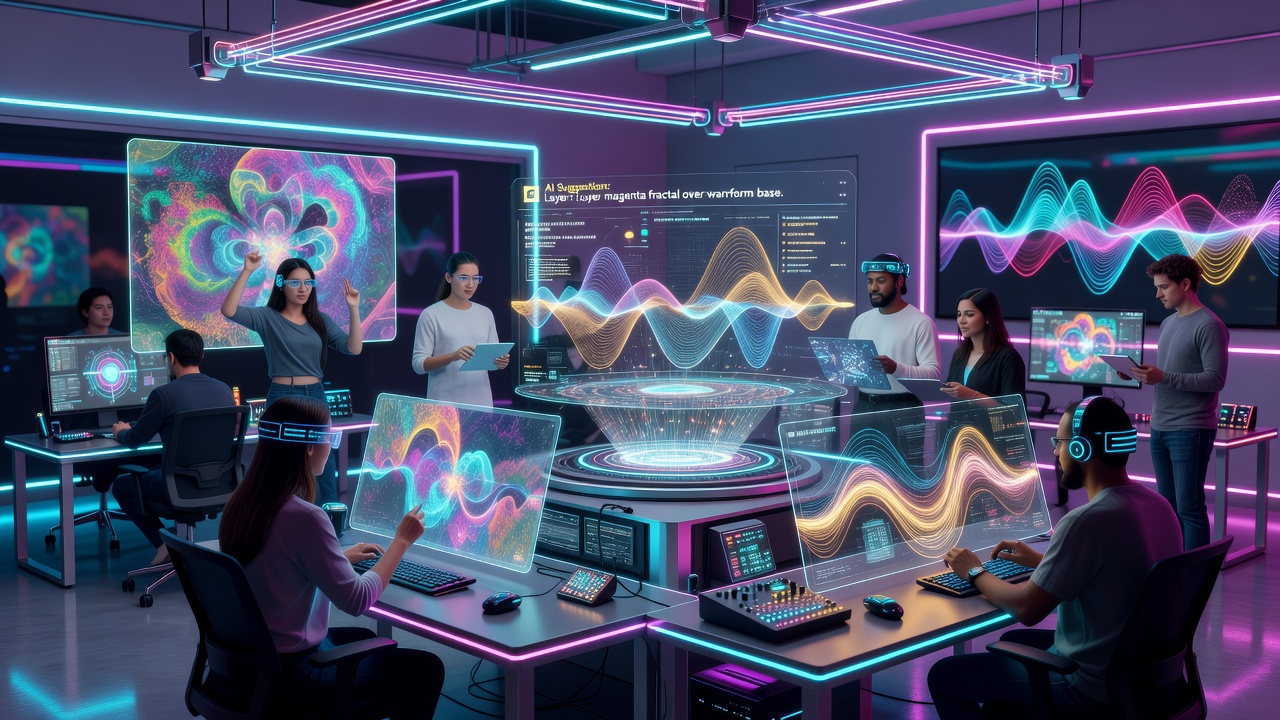
Platforms integrating AI allow multiple creators to edit generated art or music simultaneously. These systems use shared latent spaces where changes by one user propagate instantly to others. Features include version control, comment threads on specific elements, and AI-assisted suggestions for next steps. Such environments foster cross-disciplinary projects, such as visual artists influencing musical motifs in real time. Performance depends on low-latency connections, making cloud infrastructure critical for global teams.
Side-by-Side Tool Comparisons
Evaluating speed and quality across leading solutions helps creators choose appropriate stacks. Focus on output fidelity, iteration speed, and integration ease rather than isolated benchmarks. Key factors include model training time, hardware compatibility, and community support for troubleshooting. Beginners often start with user-friendly interfaces before progressing to code-level modifications for specialized needs.
Real-World Case Examples from Indie Creators
Independent musicians have used GAN pipelines to prototype album tracks before live instrumentation. One electronic producer generated ambient layers that formed the foundation of a critically acclaimed release. Visual artists apply style transfer to develop series based on cultural motifs, expanding reach through rapid prototyping. A street artist collective documented their process of transforming urban sketches into gallery installations via iterative AI enhancements. Another case involved a composer blending traditional folk elements with AI-generated harmonies to create hybrid performances that toured internationally. These examples highlight how AI serves as an accelerator rather than a replacement, preserving the creator's unique voice throughout the workflow.
Ethical Considerations: Copyright and Bias
Generated content raises questions around ownership. Training data often includes copyrighted works, prompting ongoing legal discussions. Bias in models can perpetuate stylistic imbalances from source datasets, leading to underrepresentation of certain cultural aesthetics. Creators should audit outputs for unintended cultural appropriation and maintain transparency about AI assistance. Resources from Hugging Face provide ethical guidelines and model cards to review before deployment. Additional best practices include documenting training sources, obtaining permissions where possible, and diversifying datasets to mitigate bias. Industry forums emphasize the importance of watermarking AI-generated elements to ensure accountability in commercial applications.
Frequently Asked Questions
How do I integrate these tools into existing workflows?
Start with API connections from major frameworks and test small projects before scaling to full productions. Compatibility checks with current software stacks prevent integration friction.
What trends will shape creative ML in 2027?
Expect tighter multimodal integration combining visual and audio generation with improved real-time latency. Advances in edge computing will further democratize access for mobile creators.
Are there risks of over-reliance on AI outputs?
Yes. Maintain personal artistic voice by treating AI as a collaborator rather than sole producer. Regular skill-building in traditional techniques helps balance the creative process.
What hardware is recommended for running these models locally?
Modern GPUs with at least 12GB VRAM provide reliable performance for most generative tasks without excessive wait times.
Conclusion
AI tools for creative machine learning empower artists and musicians with unprecedented speed and experimentation in 2026. By mastering neural style transfer, GAN composition, and collaborative platforms while navigating ethical challenges, creators can produce distinctive work efficiently. Begin with the tutorials outlined and iterate based on personal projects for meaningful results. Continued exploration of emerging features will keep workflows future-proof as the field evolves rapidly.
No comments yet. Be the first!