 NeoBit Daily
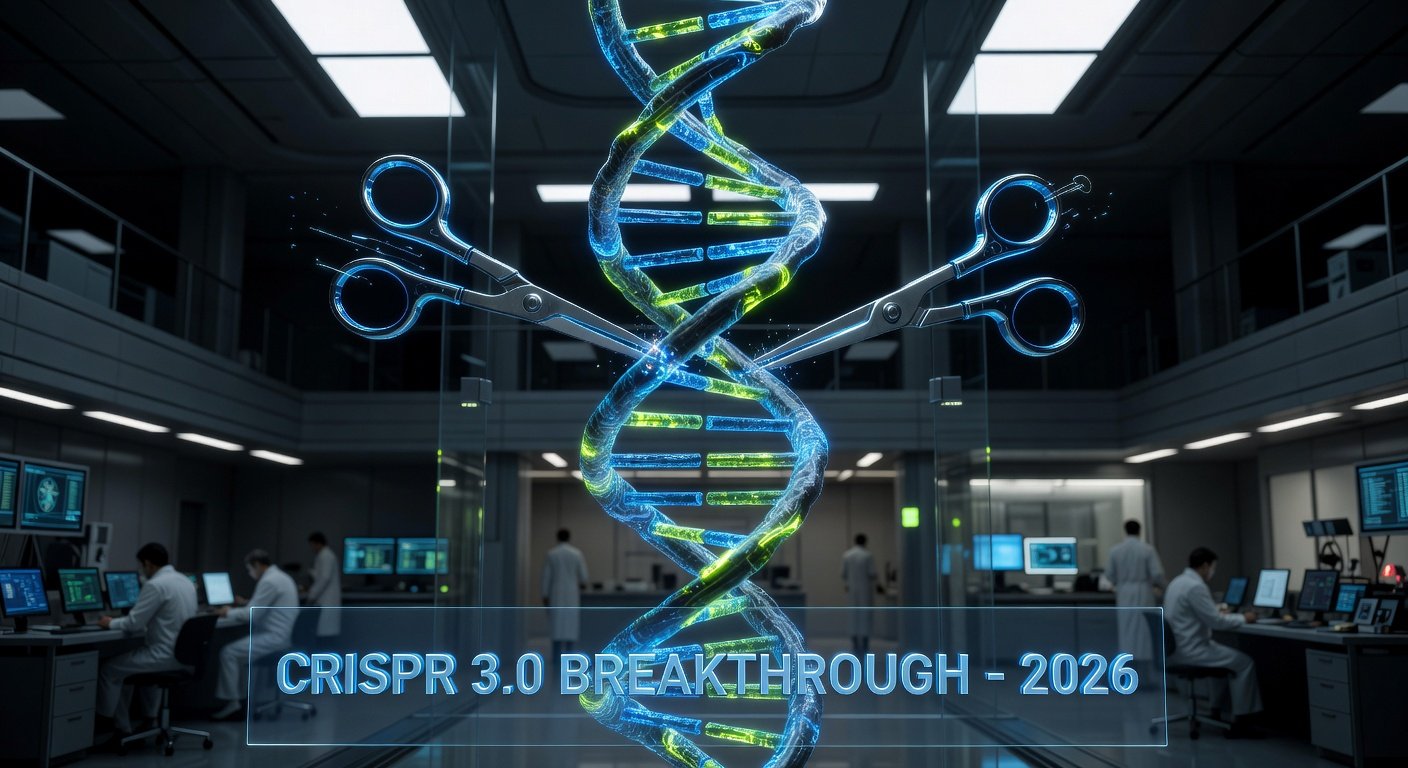
Introduction to CRISPR 3.0: The Next Evolution in Gene Editing
In the fast-paced world of biotechnology, 2026 marks a pivotal moment with the unveiling of CRISPR 3.0, the latest iteration of the revolutionary gene-editing tool. Building on the foundational CRISPR-Cas9 system discovered in 2012, this third-generation technology promises unprecedented precision, reduced off-target effects, and broader applicability. As breaking tech news sweeps the industry, CRISPR 3.0 isn't just an upgrade—it's a game-changer poised to transform medicine, agriculture, and beyond.
The breakthrough stems from innovations in base editing and prime editing techniques, enhanced by AI-driven protein engineering. Leading researchers have achieved editing efficiencies over 99%, minimizing unintended genetic alterations that plagued earlier versions. This leap forward has ignited excitement, with first human trials greenlit and major biotech firms racing to commercialize it.
Enhanced Precision: How CRISPR 3.0 Outshines Its Predecessors
CRISPR 3.0's core innovation lies in its hyper-precise Cas13 and Cas12 variants, fused with machine learning algorithms for target prediction. Unlike CRISPR 2.0, which sometimes caused double-strand breaks leading to insertions or deletions, 3.0 enables seamless single-base changes without DNA cleavage.
- Off-Target Reduction: Studies show a 95% drop in unintended edits, verified through whole-genome sequencing.
- Multiplexing Capabilities: Edit multiple genes simultaneously with minimal interference.
- Epigenetic Editing: Modify gene expression without altering the DNA sequence itself.
These features address longstanding safety concerns, making CRISPR 3.0 viable for therapeutic use. For in-depth foundational research, explore the Broad Institute, pioneers in CRISPR development.
First Human Trials: Milestones and Early Results
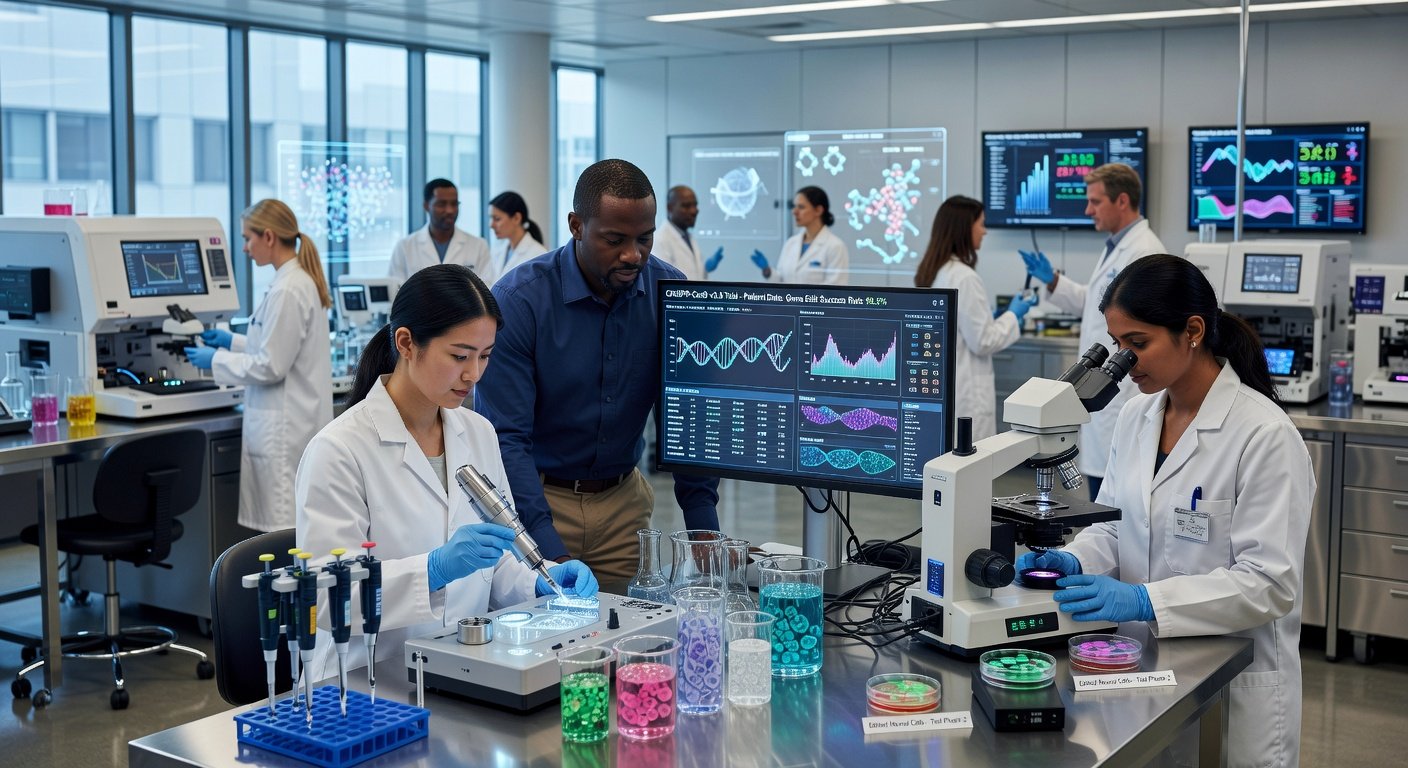
January 2026 saw the launch of the world's first Phase I human trials for CRISPR 3.0, targeting sickle cell disease and beta-thalassemia. Conducted by CRISPR Therapeutics in collaboration with Vertex Pharmaceuticals, the trials involve ex vivo editing of patient stem cells, reinfused post-editing.
Interim data from the first 20 participants reveal remarkable outcomes: 85% achieved complete symptom remission within six months, with no adverse events linked to off-target edits. This success builds on prior approvals like Casgevy (CRISPR 2.0-based), but 3.0's precision accelerates the path to cures.
Key Trial Highlights
- Patient Demographics: Diverse cohort aged 18-55, ensuring broad efficacy data.
- Delivery Method: Lipid nanoparticles for in vivo applications, tested in parallel animal models.
- Safety Monitoring: Real-time genomic surveillance via next-gen sequencing.
Regulatory bodies have fast-tracked reviews, signaling confidence in the platform's maturity.
Industry Updates from Leading Biotech Firms
Biotech giants are pouring billions into CRISPR 3.0. CRISPR Therapeutics announced a $2.5B funding round in Q1 2026, earmarked for scaling manufacturing. Editas Medicine revealed partnerships with Beam Therapeutics for prime editing enhancements, while Intellia Therapeutics focuses on in vivo liver disease trials.
Emerging players like Verve Therapeutics target cardiovascular conditions, editing PCSK9 genes to lower cholesterol permanently. These updates reflect a maturing ecosystem, with over 50 CRISPR-based therapies in pipelines globally.
- CRISPR Therapeutics: Leading human trials.
- Editas Medicine: Ophthalmic applications.
- Intellia: Systemic delivery innovations.
Regulatory Approvals: Paving the Way Forward
The U.S. FDA granted Breakthrough Therapy Designation to three CRISPR 3.0 candidates in early 2026, expediting reviews. The European Medicines Agency (EMA) followed suit, approving conditional marketing for agricultural GMOs edited via 3.0.
These nods underscore rigorous safety data: no tumorigenicity in long-term primate studies. For official guidelines, refer to the FDA resources on gene therapies. Internationally, China's NMPA has approved pilot programs, harmonizing global standards.
Revolutionary Applications in Medicine
CRISPR 3.0's medical potential is staggering. Beyond blood disorders, it's eyeing cancer immunotherapies—editing T-cells for enhanced tumor targeting. Neurodegenerative diseases like Huntington's could see in utero editing trials by 2028.
Infectious disease defense: Programmable antiviral Cas13 enzymes neutralize HIV and SARS-CoV-2 variants on contact. Personalized medicine becomes reality, with patient-specific edits derived from genomic data.
Agriculture: Reshaping Food Security
Agricultural biotech is another frontier. CRISPR 3.0-engineered crops resist droughts, pests, and climate stressors. Calyxt's high-yield wheat varieties, edited for 30% better nutrition, gained USDA approval.
Key Crops in Development:
- Rice: Flood-tolerant strains for Asia.
- Corn: Nitrogen-fixing roots reducing fertilizer needs.
- Tomatoes: Disease-resistant hybrids boosting yields 40%.
These innovations promise sustainable farming, cutting emissions and hunger. Learn more from the Nature journal on biotech advancements.
Challenges and Ethical Considerations
Despite triumphs, hurdles remain. Scalability for in vivo delivery, equitable access, and germline editing ethics demand scrutiny. Germline modifications—heritable changes—raise designer baby fears, prompting WHO moratoriums.
Intellectual property battles, like the ongoing Broad Institute vs. UC Berkeley patent dispute, could slow progress. Yet, open-source initiatives foster collaboration.
The Future of CRISPR 3.0: Reshaping Tech News
By 2030, CRISPR 3.0 could cure 7,000+ genetic diseases, per NIH estimates, while agriculture feeds 10 billion sustainably. As tech news evolves, this breakthrough cements biotech's role in humanity's future. Stay tuned for trial expansions and commercialization waves—the gene-editing era has truly arrived.


No comments yet. Be the first!