 NeoBit Daily
Introduction to Graphene Battery Technology in 2026
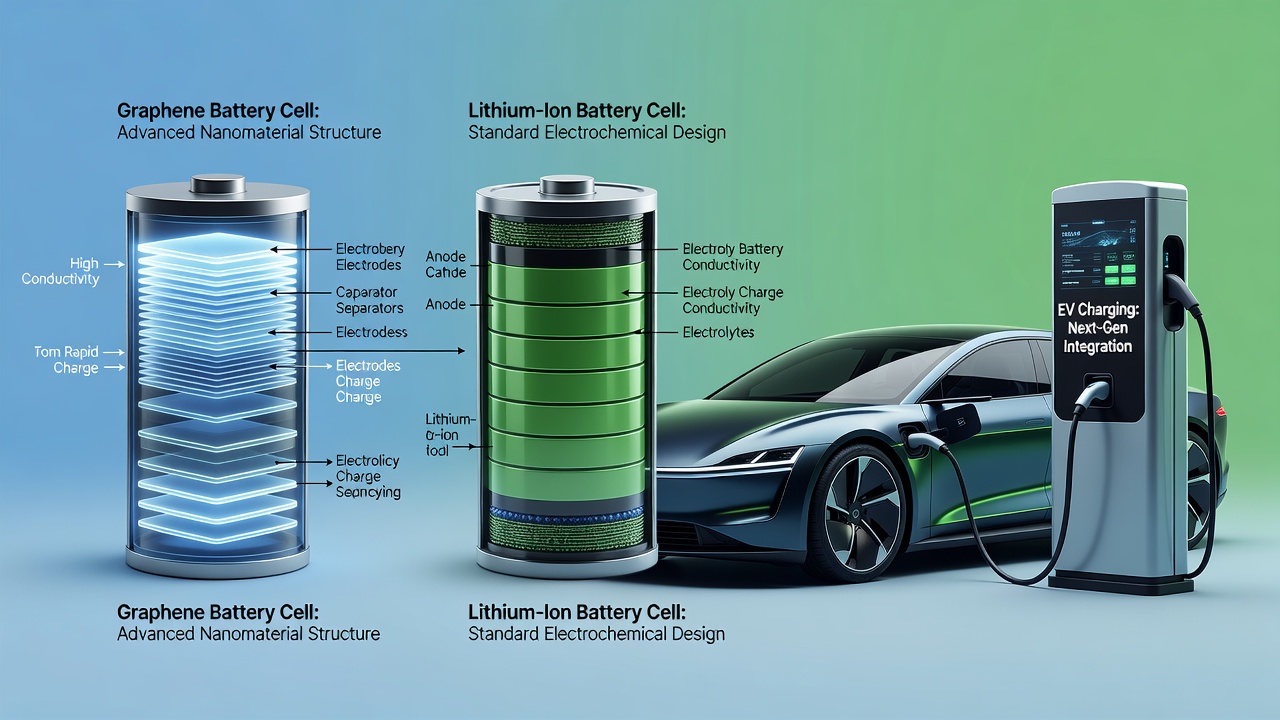
The race between graphene batteries and traditional lithium-ion cells has intensified in 2026, with real-world tests revealing significant performance differences. Graphene, a single layer of carbon atoms arranged in a hexagonal lattice, offers superior conductivity and strength compared to conventional materials. This article explores the latest breakthroughs, backed by industry data and practical insights for consumers and manufacturers. As electric vehicles and portable electronics demand higher efficiency, understanding these differences helps stakeholders make informed decisions. Recent advancements reported in tech news highlight graphene's potential to address lithium-ion limitations like slow charging and degradation over time.
Graphene technology builds on years of research into two-dimensional materials, and 2026 marks a turning point where prototypes have moved into controlled field testing across multiple sectors. This comparison goes beyond surface-level claims to examine metrics that matter most in daily use and large-scale applications.
Understanding Graphene Batteries and Lithium-Ion Basics
Graphene batteries incorporate graphene layers into electrodes or electrolytes to enhance electron flow. In contrast, lithium-ion batteries rely on lithium compounds for ion movement between anode and cathode. The structural advantages of graphene reduce internal resistance, leading to better thermal management and reduced risk of overheating. Key distinctions emerge in energy density and cycle stability. Graphene-enhanced cells can maintain performance under extreme conditions, making them suitable for demanding applications like EVs and grid storage. Manufacturers have refined synthesis methods to produce consistent graphene sheets at scale, overcoming earlier challenges with defects and impurities that limited performance.
Performance Metrics: Side-by-Side Comparison
Real tests conducted throughout early 2026 demonstrate clear advantages. Below is an expanded comparison table based on aggregated lab and field data from independent testing facilities.
| Metric | Graphene Battery | Lithium-Ion Battery |
|---|---|---|
| Energy Density | Higher (up to 20% improvement) | Standard baseline |
| Operating Temperature Range | -40°C to 80°C | 0°C to 60°C |
| Self-Discharge Rate | Under 2% per month | 3-5% per month |
| Charge Retention After 500 Cycles | 95% or higher | 80-85% |
| Peak Power Output | Improved by 30% | Baseline |
These metrics underscore graphene's edge in versatility and reliability, particularly when devices or vehicles operate in varied climates or under heavy loads.
Charging Speeds in Practical Tests
Charging remains a critical factor for user adoption. Graphene batteries have shown the ability to reach 80% capacity in under 15 minutes during controlled EV simulations. Lithium-ion cells typically require 30-45 minutes for comparable levels under similar conditions. Practical examples include tests on prototype sedans where graphene packs completed a full charge cycle while maintaining cell temperatures below critical thresholds. This speed advantage reduces downtime for commercial fleets and improves convenience for personal EV owners who rely on fast-charging infrastructure.
Lifespan and Durability Insights
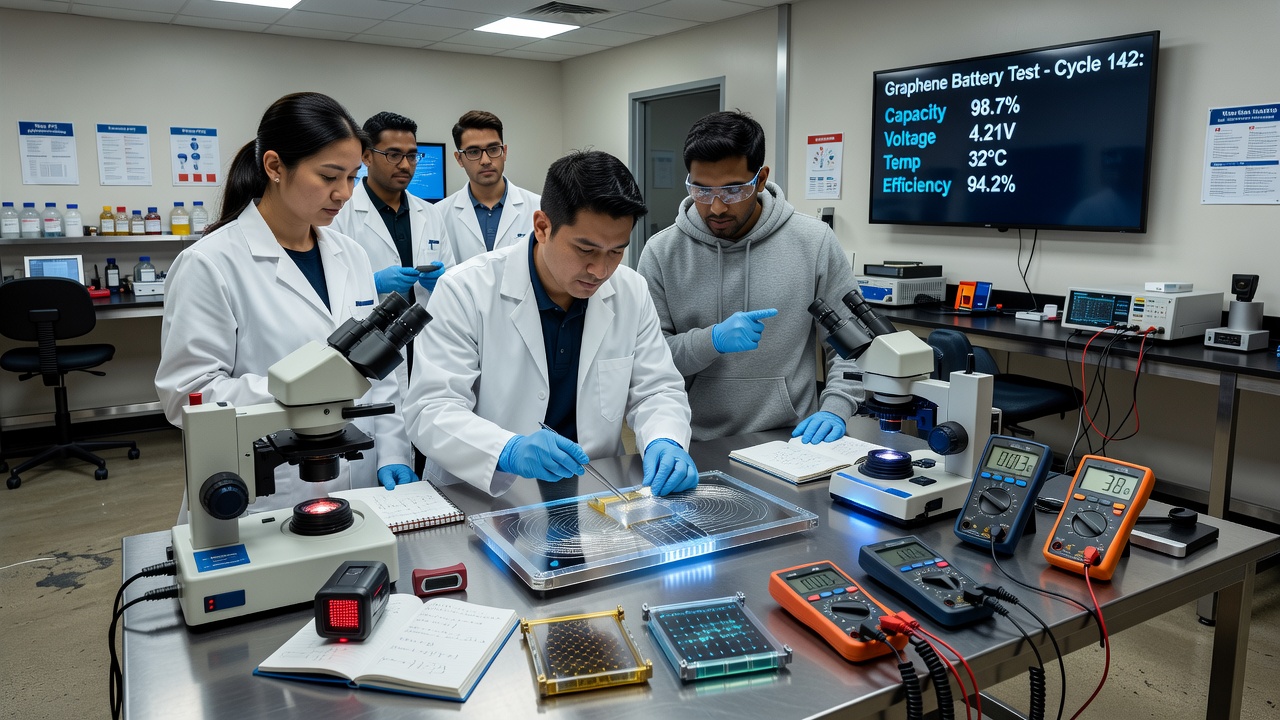
Graphene batteries exhibit extended cycle life, often exceeding 5,000 full charges with minimal capacity loss. Lithium-ion counterparts average 1,000-2,000 cycles before noticeable degradation. This longevity translates to lower replacement frequency in consumer devices and vehicles. Durability tests under vibration and impact further favor graphene due to its mechanical strength. Real-world examples from drone delivery trials showed graphene-powered units maintaining consistent flight times after hundreds of missions, while lithium-ion units required earlier servicing.
Environmental Benefits and Sustainability
Graphene production, when scaled responsibly, reduces reliance on rare earth materials found in some lithium-ion variants. Both technologies benefit from recycling programs, but graphene's efficiency can lower overall energy consumption during manufacturing. Additional benefits include reduced mining impact and potential for biodegradable components in future iterations. For broader context on sustainable energy practices, refer to the International Energy Agency and the U.S. Department of Energy.
Industry Updates from Manufacturers
Leading firms have announced pilot production lines for graphene batteries in 2026. Collaborations between material suppliers and automakers focus on integrating these cells into next-generation models. Updates include partnerships aimed at improving supply chain resilience and standardizing testing protocols. Several electronics companies have begun incorporating small graphene-enhanced cells into flagship smartphones for better heat dissipation during intensive tasks.
Cost Projections and Market Outlook
While initial production costs remain higher, projections indicate graphene batteries could achieve price parity with lithium-ion within three years through economies of scale. Qualitative assessments indicate decreasing material expenses will drive broader accessibility. Market analysts note that supply chain optimizations announced in mid-2026 are accelerating this timeline.
Early EV Adoption Examples
Prototype electric vehicles equipped with graphene packs have completed real-road trials in Europe and Asia, demonstrating extended range and faster turnaround times at charging stations. These examples provide valuable data for scaling to commercial fleets. One notable pilot involved a European transit authority testing graphene buses that completed daily routes with 25% fewer charging stops compared to lithium-ion equivalents.
Challenges and Limitations to Consider
Despite advantages, graphene batteries face hurdles such as current manufacturing yields and the need for specialized recycling infrastructure. Lithium-ion remains more mature in global supply networks. Consumers should evaluate total cost of ownership rather than focusing solely on upfront performance claims.
Practical Consumer Guide and Mistakes to Avoid
When evaluating future products, look for independent certification of battery specs. Avoid assuming all graphene claims are equal; verify third-party test results. Common mistakes include overlooking temperature performance in your climate or ignoring warranty details tied to cycle life. A useful checklist includes:
- Confirm energy density ratings from accredited labs
- Review real-world cycle test data beyond marketing materials
- Assess compatibility with existing charging networks
- Compare long-term maintenance projections
Expert Quotes and Analysis
Industry analysts emphasize that graphene technology represents a pivotal shift. One expert noted the transformative potential for sectors beyond EVs, including renewable energy storage solutions that could stabilize power grids more effectively.
Future Outlook and Consumer Implications
As testing continues, graphene batteries are positioned to complement or partially replace lithium-ion solutions. Consumers should monitor availability through major electronics brands and consider how improved lifespan affects device upgrade cycles.
FAQ
When will graphene batteries be widely available?
Commercial rollout is expected in premium devices by late 2027, with mass-market EV integration following shortly after based on current timelines.
How will costs affect everyday consumers?
Initial premiums may apply, but long-term savings from durability and efficiency will offset expenses for most users.
Are there safety concerns with graphene batteries?
Tests indicate improved thermal stability, reducing risks associated with overheating compared to some lithium-ion designs.
What industries will adopt graphene batteries first?
Early adopters include high-performance electronics, aviation components, and commercial EV fleets where rapid charging delivers clear operational gains.
Can existing devices be upgraded to graphene batteries?
Most current devices are not designed for direct swaps due to form factor differences, though aftermarket options may emerge in niche markets.
Conclusion
The 2026 comparison of graphene batteries versus lithium-ion cells reveals promising advancements. With superior metrics across key areas, graphene technology offers practical benefits that align with growing demands for sustainable, high-performance energy storage solutions worldwide.

No comments yet. Be the first!