 NeoBit Daily
2026 Tech News: AI Precision Farming Boosts Global Yields
Artificial intelligence is transforming agriculture in 2026, delivering measurable gains in efficiency and output worldwide. Precision farming powered by machine learning now optimizes every stage of crop production, from real-time monitoring to targeted interventions. This article examines the latest applications, supported by case studies and practical implementation guidance for tech-savvy readers seeking emerging solutions.
How Machine Learning Enhances Crop Monitoring
Modern AI systems analyze satellite imagery, drone footage, and ground sensors to detect plant health issues days before visible symptoms appear. Convolutional neural networks process multispectral data to identify nutrient deficiencies, water stress, and early disease outbreaks with high accuracy in controlled trials. Farmers receive actionable alerts via mobile dashboards, enabling timely responses that reduce crop losses significantly compared to traditional scouting methods. In 2026, these models incorporate historical yield data and climate patterns to predict potential problems weeks in advance, allowing proactive measures such as adjusted fertilization schedules. For example, a Midwest corn farm integrated AI monitoring last season and identified nitrogen shortfalls in specific field zones, leading to targeted applications that improved uniformity across the acreage.
Optimizing Irrigation with Predictive Analytics
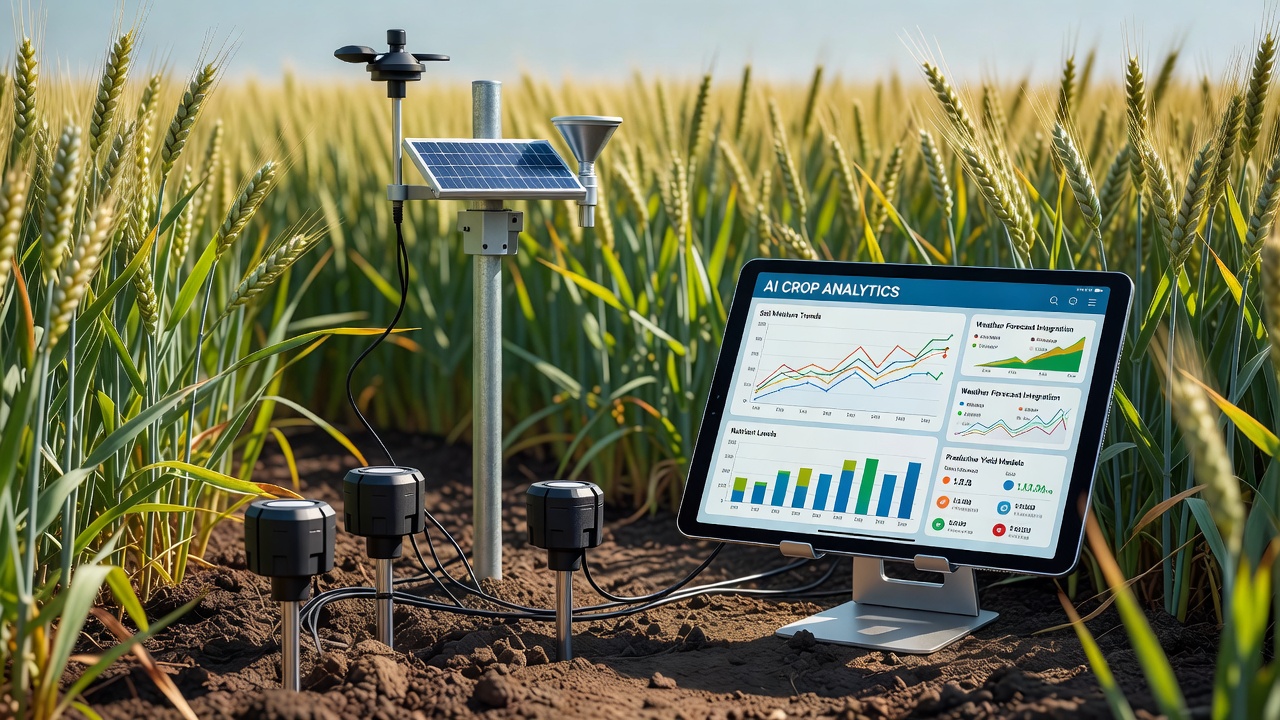
AI models integrate weather forecasts, soil moisture readings, and evapotranspiration rates to create dynamic irrigation schedules. These systems reduce water usage while maintaining or increasing yields. In arid regions, precision irrigation has proven especially valuable by preventing both under- and over-watering. Integration typically begins with soil probes connected to cloud platforms that adjust valve controls automatically. Advanced implementations now factor in microclimate variations detected by on-site weather stations, creating zone-specific watering plans that account for soil type differences. This level of granularity helps farms in variable terrains achieve consistent results season after season.
AI-Driven Pest and Weed Control
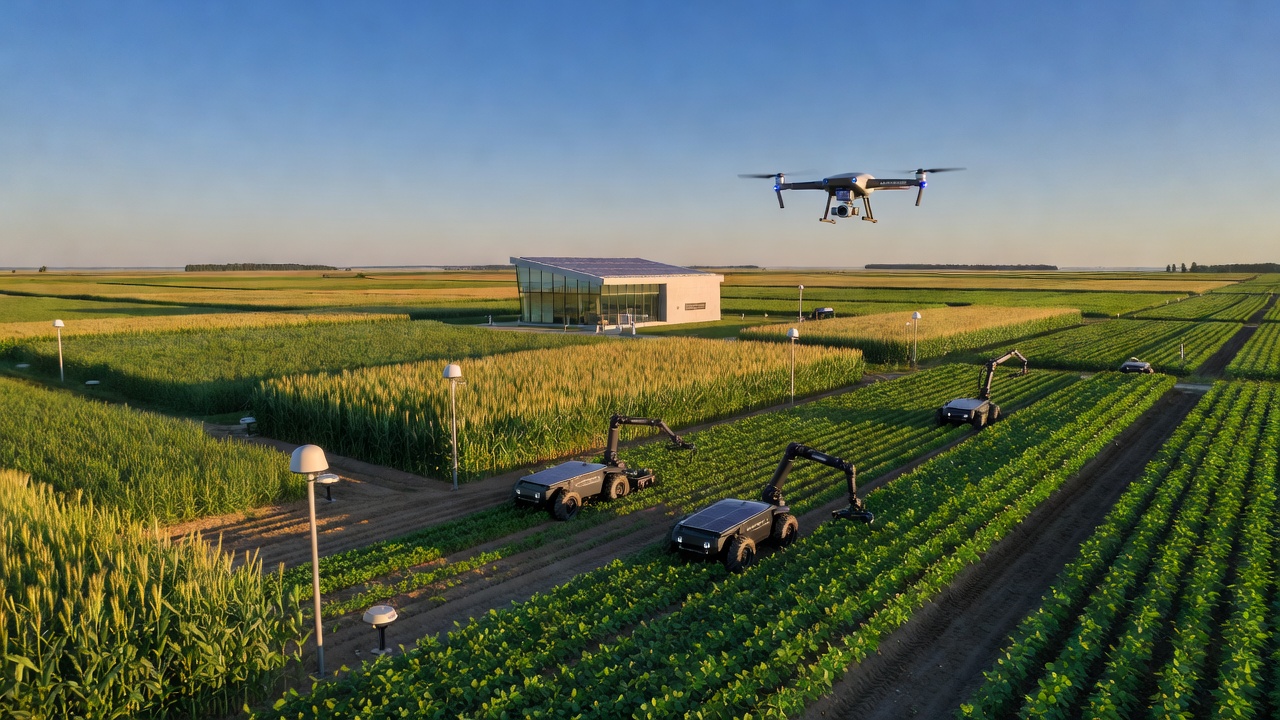
Computer vision combined with robotics allows targeted spraying that minimizes chemical use. Autonomous drones and ground robots identify individual weeds or pest clusters and apply treatments only where needed. This approach cuts herbicide volumes substantially while protecting beneficial insects and reducing environmental impact. Recent 2026 deployments feature edge-computing capabilities that process imagery locally on equipment, enabling faster decision-making without constant cloud connectivity. Farmers report fewer resistance issues in pest populations because treatments are applied more precisely and less frequently overall.
Real-World Case Studies from Leading Agtech Firms
John Deere’s See & Spray system, deployed across North American farms in 2025–2026, uses machine learning to distinguish crops from weeds in real time, resulting in more efficient field operations. Blue River Technology’s cotton and vegetable solutions have expanded to additional crops, demonstrating consistent improvements in resource efficiency through camera-guided spot spraying. Startups in Europe and Asia are scaling similar platforms for rice and wheat, adapting models to local growing conditions and integrating regional satellite feeds for enhanced accuracy. These implementations highlight how AI adapts across diverse agricultural landscapes, from large-scale commodity production to specialty crop operations.
Yield Improvements Versus Traditional Methods
Comparative data from multiple regions shows precision agriculture often delivers higher outputs with fewer inputs. Traditional uniform application methods frequently result in waste and uneven results, whereas AI-guided approaches tailor actions to specific field zones. Studies published by major agricultural organizations confirm these advantages across diverse climates and crop types. When paired with Food and Agriculture Organization global monitoring reports, the data underscores how precision tools contribute to more stable food supplies in the face of climate variability.
Step-by-Step Sensor Integration on Farms
- Conduct a field assessment to identify priority zones for monitoring, evaluating soil variability, drainage patterns, and historical problem areas through soil sampling and topographic mapping.
- Install soil moisture, weather, and multispectral sensors at strategic locations, ensuring proper calibration and weatherproof housing for long-term reliability in outdoor conditions.
- Connect devices to a central AI platform via secure wireless networks, testing signal strength across the entire field to avoid coverage gaps during peak growing periods.
- Train staff on dashboard interpretation and alert response protocols, including hands-on workshops that simulate common scenarios such as sudden weather changes or pest alerts.
- Run pilot tests for one growing season before full-scale rollout, documenting performance metrics and adjusting algorithms based on observed outcomes and farmer feedback.
Additional Benefits for Sustainability and Scalability
Beyond immediate yield gains, AI precision farming supports broader environmental goals by lowering runoff from excess fertilizers and reducing overall chemical loads on ecosystems. Scalability improves as cloud-based platforms allow smaller operations to access the same analytical power previously reserved for large agribusinesses. Integration with existing farm machinery through standardized APIs further lowers barriers, letting operators retrofit current equipment rather than purchasing entirely new fleets.
Practical FAQs on Adoption
What are the main costs involved in getting started?
Initial investments vary by farm size and technology depth. Many operations begin with subscription-based software paired with affordable sensor kits rather than purchasing all hardware outright. Qualitative assessments show that phased adoption spreads expenses effectively while allowing incremental learning and customization.
How is farm data protected?
Leading platforms employ encryption, access controls, and compliance with regional data regulations. Farmers retain ownership of their data and can choose what information is shared with third parties. Reviewing provider privacy policies remains essential before implementation to ensure alignment with specific operational needs.
What training resources are typically available?
Most agtech providers offer online tutorials, on-site workshops, and dedicated support teams to guide users through setup and ongoing use. Peer networks and industry associations also share best practices, helping new adopters avoid common pitfalls during the first seasons of use.
Conclusion
AI precision farming continues to deliver strong results in 2026 by combining advanced analytics with practical on-farm tools. Operations that integrate these technologies thoughtfully see improvements in both productivity and sustainability. As tools mature, broader accessibility will further accelerate global adoption and support more resilient food systems worldwide, as highlighted in resources from the United States Department of Agriculture.


No comments yet. Be the first!