 NeoBit Daily
Introduction
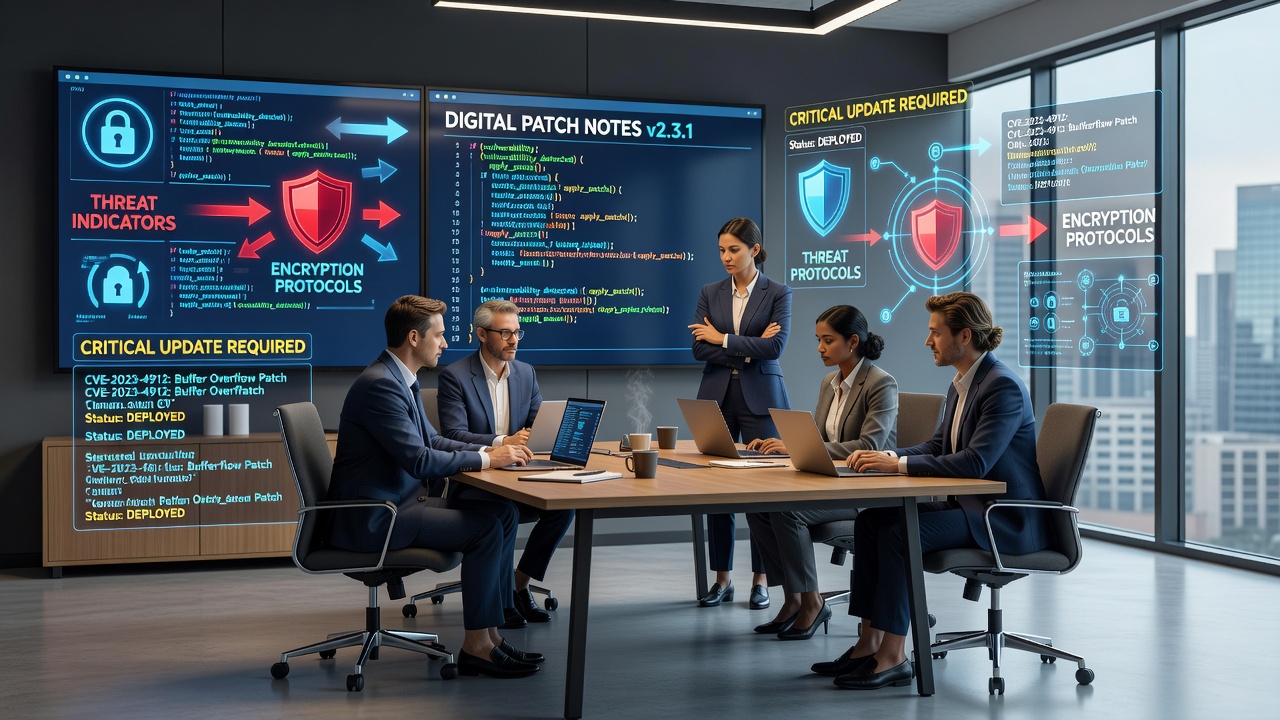
In 2026, software updates continue to serve as critical lifelines for enterprise security. Beyond simple bug fixes, patch notes often embed subtle signals about emerging threats, zero-day mitigations, and shifts in encryption standards. For IT teams, mastering the art of reading between the lines in these documents transforms routine maintenance into strategic defense planning. Organizations that treat patch notes as intelligence sources rather than checklists gain measurable advantages in threat anticipation and resource allocation.
This guide provides advanced frameworks for analyzing release notes from major platforms. By focusing on vulnerability disclosures, language patterns, and cross-vendor comparisons, professionals can prioritize patches more effectively and anticipate risks before they escalate. The following sections break down practical methods, real examples, and decision frameworks that experienced security teams use daily.
Why Patch Notes Reveal Actionable Security Intelligence
Patch notes function as official vendor communications that detail changes, including security enhancements. In 2026, vendors have refined disclosure practices following increased regulatory scrutiny, yet ambiguity persists in many entries. Skilled analysts identify mentions of specific CVEs, encryption algorithm deprecations, or references to "recently discovered issues" that hint at active exploitation. These signals often appear weeks before public threat reports surface.
Understanding these signals helps teams move beyond reactive deployment toward proactive risk management. For instance, repeated emphasis on authentication modules may indicate broader identity-based attack trends that affect multiple product lines. Monitoring patterns across quarterly releases allows teams to forecast where attackers will focus next. Patch notes also frequently reference compliance requirements such as updated cryptographic standards that impact audit readiness.
Teams that systematically archive and compare notes across versions build institutional knowledge that accelerates future analysis. This practice proves especially valuable when vendors release emergency out-of-band updates with minimal accompanying detail.
Step-by-Step Analysis Framework
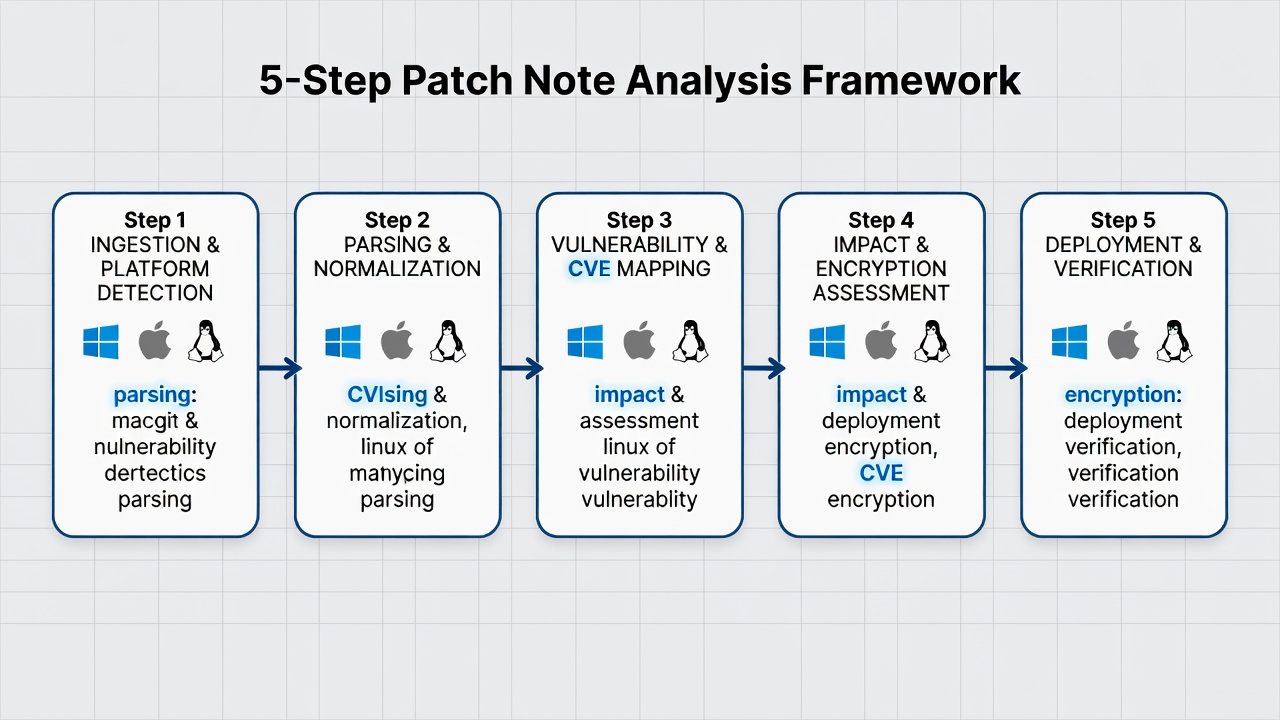
Follow this structured approach when reviewing any 2026 update:
- Scan for CVE references and severity ratings first. Note both new identifiers and updates to previously disclosed issues.
- Identify keywords like "zero-day," "encryption," "authentication bypass," or "privilege escalation." Pay special attention to phrases indicating active exploitation in the wild.
- Compare current notes against previous releases for recurring themes that suggest ongoing research or incomplete remediation.
- Map fixes to your environment's exposed assets using asset inventories and network diagrams.
- Document vague language for further vendor inquiry and share findings with peer IT groups.
- Assess downstream effects on dependent systems such as third-party integrations or legacy hardware.
This framework reduces analysis time while surfacing high-impact items. Documenting each step creates an audit trail useful for compliance reporting and post-incident reviews.
Real-World Examples from Major 2026 Releases
Windows Server 2026 cumulative updates frequently highlight SMB protocol hardening. One June release noted fixes for "improper handling of certain packet sequences," later linked to lateral movement risks observed in ransomware campaigns. Another update addressed memory corruption in the Windows kernel that could allow elevation of privilege when processing specially crafted fonts.
macOS 15.5 updates included detailed mentions of changes to the Secure Enclave, signaling Apple’s response to side-channel research published earlier in the year. These notes also referenced improved validation of kernel extensions, reducing the attack surface for malicious drivers.
Linux distributions such as Ubuntu 26.04 LTS emphasized kernel patches addressing speculative execution vulnerabilities in newer Intel and AMD chips. Fedora and openSUSE releases added explicit warnings about deprecated TLS 1.0 and 1.1 ciphers that could affect older applications still in production.
Enterprise examples show how a financial services firm used recurring SMB references in Microsoft notes to justify accelerated network segmentation projects, while a healthcare provider leveraged Apple’s Secure Enclave details to update endpoint detection policies ahead of regulatory audits.
Comparing Vendor Disclosure Practices
Microsoft tends to provide CVE numbers and links to Microsoft security advisories, enabling quick cross-referencing with national vulnerability databases. Their notes often include exploitability indexes that help prioritize based on real-world attack likelihood.
Apple offers concise but technically precise notes on Apple support pages, often omitting full exploit details until after widespread deployment. This approach balances transparency with the need to limit attacker reconnaissance.
Red Hat and SUSE publish comprehensive changelogs on their enterprise portals, frequently including threat actor attributions and references to NVD. These differences require tailored reading strategies per ecosystem. Organizations managing mixed environments benefit from maintaining separate analysis templates for each vendor.
Common Pitfalls in Interpreting Vague Language
- Overlooking phrases such as "addressed stability issues" that mask security problems. Always cross-check these entries against CVE feeds.
- Assuming all listed fixes apply equally across architectures. Verify applicability using vendor compatibility matrices.
- Ignoring backward compatibility notes that may reintroduce older weaknesses when legacy modes remain enabled.
- Failing to correlate notes with threat intelligence feeds, which often reveal exploitation timelines not mentioned by vendors.
- Treating all high-severity items equally without considering environmental exposure factors.
Prioritizing Patches Based on Note Details
When notes mention active exploitation or public proof-of-concept code, elevate those patches immediately. Encryption changes warrant review for compliance impact, especially when algorithms move to deprecated status. Use a risk matrix that weighs asset exposure against disclosure specificity and maps findings to your organization’s threat model.
Practical prioritization also involves testing in isolated environments first, then staging rollouts based on business-critical system classifications. Teams should schedule follow-up reviews thirty days after deployment to confirm effectiveness and identify any residual issues.
Tools for Automating Patch Note Analysis
Many organizations now script the ingestion of patch notes using RSS feeds and natural language processing tools. Scripts can flag new CVEs, extract severity scores, and generate tickets in ticketing systems. Open-source projects on platforms such as GitHub provide templates that parse Microsoft, Apple, and Red Hat notes into standardized formats for easier comparison.
Integration with SIEM platforms allows security teams to correlate patch deployments with observed threat activity, creating closed-loop visibility that improves future decision accuracy.
FAQ
How soon after release should teams analyze patch notes?
Begin analysis within hours of publication, focusing first on security sections before full testing cycles. Early review enables faster risk assessments and communication with business stakeholders.
What if notes lack CVE identifiers?
Cross-reference with national vulnerability databases and vendor security blogs for supplementary context. Many vendors publish additional technical papers within days of the initial release.
Are Linux patch notes more detailed than those for Windows or macOS?
Kernel-level distributions often provide greater technical depth, while commercial vendors balance detail with accessibility. Linux notes frequently include commit hashes useful for source-level verification.
Can patch notes predict future vulnerabilities?
Recurring themes across releases frequently foreshadow upcoming focus areas for attackers and defenders alike. Tracking these patterns helps inform long-term security roadmaps.
How should mixed-environment teams handle conflicting disclosure styles?
Maintain vendor-specific templates and hold weekly cross-team reviews to align prioritization criteria across Windows, macOS, and Linux fleets.
Should security teams share findings with vendors when notes appear incomplete?
Yes, constructive feedback through official support channels often leads to improved future disclosures and strengthens the overall vendor-customer relationship.
Conclusion
Extracting hidden security signals from 2026 patch notes empowers IT teams to stay ahead of threats. By applying consistent frameworks, leveraging automation where possible, and learning vendor nuances, organizations convert routine updates into powerful intelligence sources that strengthen overall posture. Continuous refinement of these practices ensures teams remain effective as disclosure standards evolve throughout the year and beyond.


No comments yet. Be the first!