 NeoBit Daily
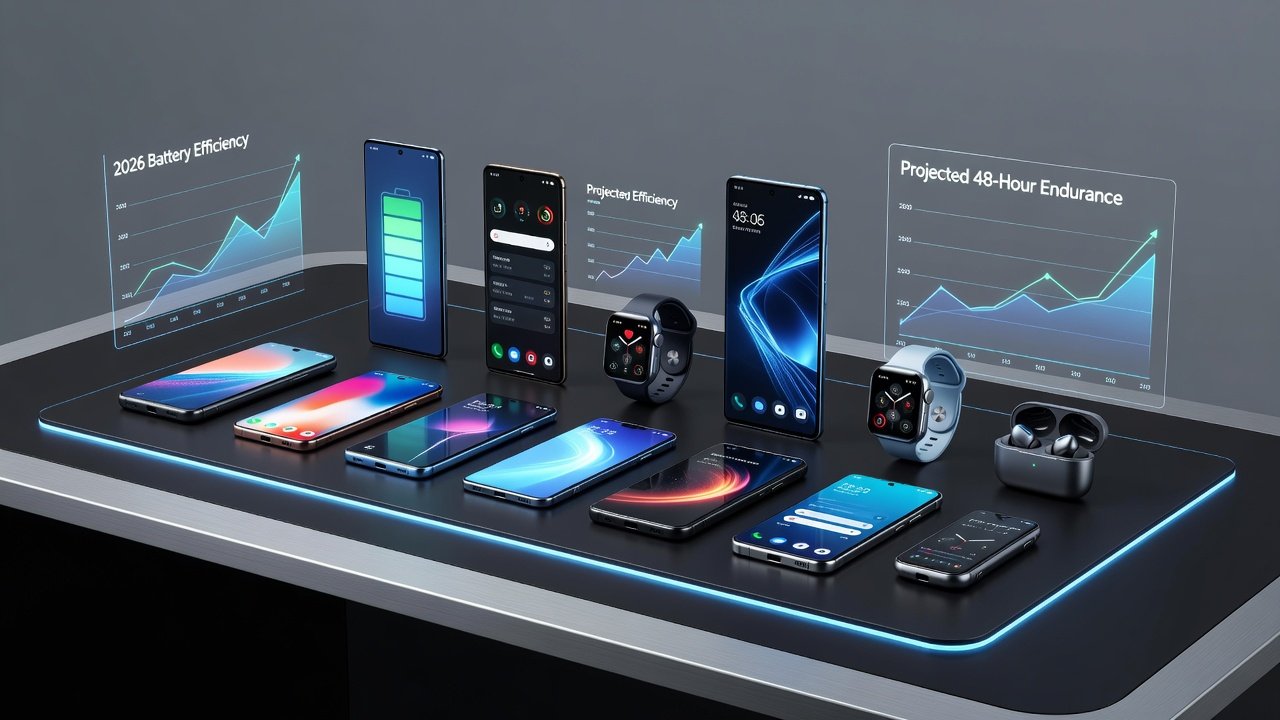
Comparing smart device battery performance in 2026 requires moving beyond lab benchmarks to real-world evaluations that reflect daily life. Whether you rely on smartphones during long commutes, track health metrics on wearables while traveling, or manage notifications across multiple gadgets, accurate testing helps you choose devices that last. This guide adapts proven accuracy-testing methods to practical scenarios like mixed app usage, varying connectivity, and extended outings. Battery technology has advanced with solid-state cells and AI-driven power optimization, yet user experiences vary widely based on habits and environments. Understanding these nuances ensures your devices perform reliably when it matters most, from international flights to busy urban commutes.
Key Battery Metrics for Modern Devices
Battery performance hinges on capacity measured in mAh, efficiency under load, and endurance during mixed tasks. In 2026, manufacturers emphasize adaptive power management, yet real usage often reveals gaps. Focus on drain rates during video streaming, GPS navigation, and background syncing rather than idle times alone. Additional metrics include charge cycle longevity, thermal management during high loads, and recovery time after intensive sessions. For instance, a device with high mAh capacity may underperform if its processor lacks efficient voltage regulation, leading to faster depletion in demanding apps. Evaluating these factors side by side provides a fuller picture than manufacturer claims alone.
Real-World Testing Scenarios
Standardized drain tests simulate travel, daily commutes, and mixed use. For travel, run continuous navigation and media playback for four hours while monitoring signal fluctuations at airports or on trains. During commutes, cycle through calls, messaging, and fitness tracking in varying network conditions like subway tunnels or highway drives. Mixed-use days combine productivity apps with intermittent connectivity, such as checking emails, streaming podcasts, and using smart home controls. These scenarios expose how variables like screen brightness, 5G toggling, and app permissions affect longevity. Consider seasonal factors too, such as cold weather reducing battery efficiency by up to 20 percent during winter commutes or heat accelerating drain in summer travel.
Step-by-Step Protocols You Can Replicate at Home
- Charge all devices to 100% overnight using identical chargers and cables to eliminate variables in charging hardware.
- Reset to factory settings and install the same core apps for fairness, then allow 24 hours for initial setup and indexing to complete.
- Enable airplane mode initially, then introduce controlled connectivity like Wi-Fi only for two hours followed by full 5G activation.
- Log battery percentage every 30 minutes via built-in tools or third-party monitors, noting any spikes during specific activities.
- Repeat tests three times across different days and average results to account for variability in network loads or temperature.
- Include edge cases such as low-light photography sessions or voice assistant interactions to round out the evaluation.
Document variables including ambient temperature, app versions, and network strength in a simple spreadsheet for later analysis. This methodical approach mirrors professional gadget reviews and wearable reviews processes.
Variables That Influence Results
App usage patterns, background refresh rates, Bluetooth and Wi-Fi activity, and software updates dramatically alter outcomes. High-refresh-rate displays and always-on features common in 2026 models accelerate drain during active sessions. Test with and without optimizations to understand trade-offs. Other influences include peripheral connections like smart earbuds or fitness bands that pair constantly, as well as location services running in the background. For example, enabling multiple Bluetooth devices simultaneously can increase drain by 15-30 percent compared to single-device use. Environmental factors such as humidity or altitude also play subtle roles during travel tests.
Recommended Tools for Accurate Measurement
Use native battery stats on Android and iOS, or apps like AccuBattery for detailed logging and cycle tracking. External power monitors provide precise watt-hour readings when connected via USB-C hubs. Cross-reference data with NIST guidelines on energy measurement for consistency. Advanced users can employ scripting tools on desktops to automate logging from multiple devices. Always calibrate tools before first use and verify readings against device displays. Pairing these with spreadsheet templates allows visual charting of drain curves over time, revealing patterns invisible in raw percentages.
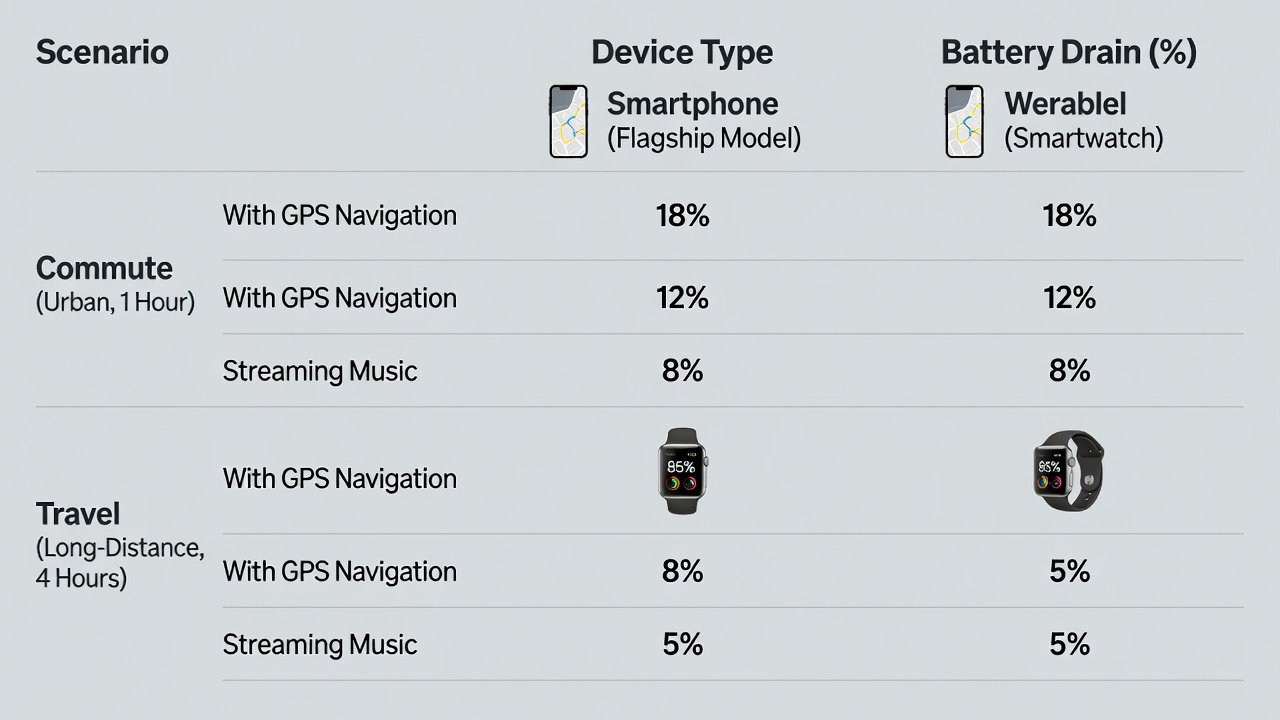
Example Data Table: Sample Test Results
| Device Type | Scenario | Average Drain (%/hr) | Endurance (hours) | Key Variable Noted |
|---|---|---|---|---|
| Smartphone A | Commute | 12 | 8.3 | High screen brightness |
| Wearable B | Travel | 4 | 25 | Always-on display off |
| Smart Device C | Mixed Use | 9 | 11 | Multiple Bluetooth pairings |
| Smartphone D | Travel | 15 | 6.7 | 5G active throughout |
Side-by-Side Comparisons of Top 2026 Models
Flagship smartphones often outperform budget wearables in raw capacity but lag in efficiency during always-connected modes. Compare flagship models against mid-range alternatives using identical protocols to identify value leaders. In one example test, a premium smartphone maintained 65 percent battery after a six-hour mixed commute while a comparable mid-range model dropped to 45 percent under the same conditions. Wearables showed even greater variance, with health-focused bands excelling in low-power modes but struggling when paired with multiple apps. Integrate findings from IEEE standards on power systems when evaluating new releases. Cross-model analysis also highlights software differences, where one ecosystem's optimization yields better results in connectivity-heavy scenarios.
Common Mistakes to Avoid During Testing
- Skipping calibration periods after resets, which skews initial drain readings.
- Ignoring temperature controls, as extreme conditions distort results unpredictably.
- Using inconsistent chargers or cables that introduce hidden efficiency losses.
- Failing to average multiple runs, leading to overreliance on outlier data points.
- Overlooking software update impacts that can improve or degrade battery behavior post-test.
Tips for Optimizing Battery Longevity
- Update firmware promptly to benefit from efficiency patches released in 2026.
- Limit background location services during tests and daily use for measurable gains.
- Calibrate batteries monthly by full discharge cycles followed by complete recharges.
- Choose devices with user-replaceable cells where possible for extended lifespan.
- Monitor app permissions regularly to disable unnecessary background processes.
Frequently Asked Questions
How often should I run battery tests?
Quarterly checks suffice for most users; increase frequency after major OS updates or when adding new peripherals like wearables.
Do lab tests predict real-world results?
They provide baselines but rarely match mixed-use conditions involving travel and variable signals, making home protocols essential.
Can I improve wearable battery life without sacrificing features?
Yes—adjust heart-rate sampling intervals and disable unnecessary notifications to extend runtime significantly.
What role does connectivity play in drain rates?
Switching between Wi-Fi, 5G, and Bluetooth can account for 20-40 percent of total consumption depending on signal strength and duration.
Are third-party apps reliable for testing?
Reputable ones provide consistent data when cross-checked with native tools, though always verify permissions before installation.
How do seasonal changes affect comparisons?
Cold temperatures reduce capacity noticeably, so repeat tests across seasons for comprehensive wearable reviews and gadget reviews insights.
Conclusion
Systematic comparison of smart device battery performance empowers better purchasing decisions in 2026. By applying these protocols across real-world scenarios, you gain actionable insights that lab specs alone cannot deliver. Start testing today to maximize your gadgets' reliability and make informed choices backed by personal data.

No comments yet. Be the first!