 NeoBit Daily
Introduction: Why Wearables Matter for Digital Nomads in 2026
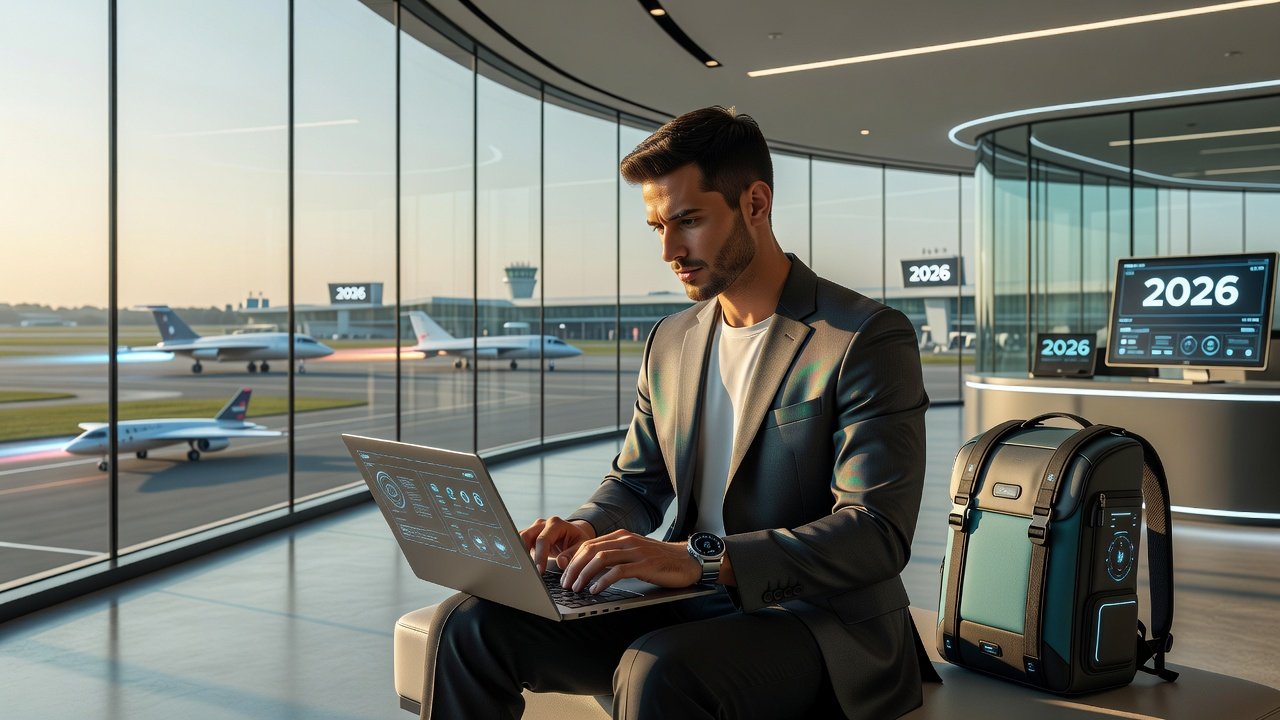
Digital nomads rely on technology that keeps pace with constant movement across time zones, unpredictable climates, and long-haul flights. In 2026, wearables have evolved beyond basic fitness tracking to become essential tools for maintaining health, productivity, and seamless connectivity worldwide. This article examines the leading smartwatches and fitness bands from Garmin, Apple, and Samsung through real-world testing focused on battery endurance, offline GPS accuracy, and integration with travel apps. Our evaluations spanned multiple continents and included scenarios such as 14-hour flights, remote coworking in tropical regions, and urban navigation in dense cities. The goal was to identify devices that support uninterrupted workflows while providing actionable health insights during recovery periods. Results show that choosing the right wearable can reduce downtime from jet lag by up to several days and improve overall travel efficiency.
Top Contenders Compared: Garmin, Apple, and Samsung
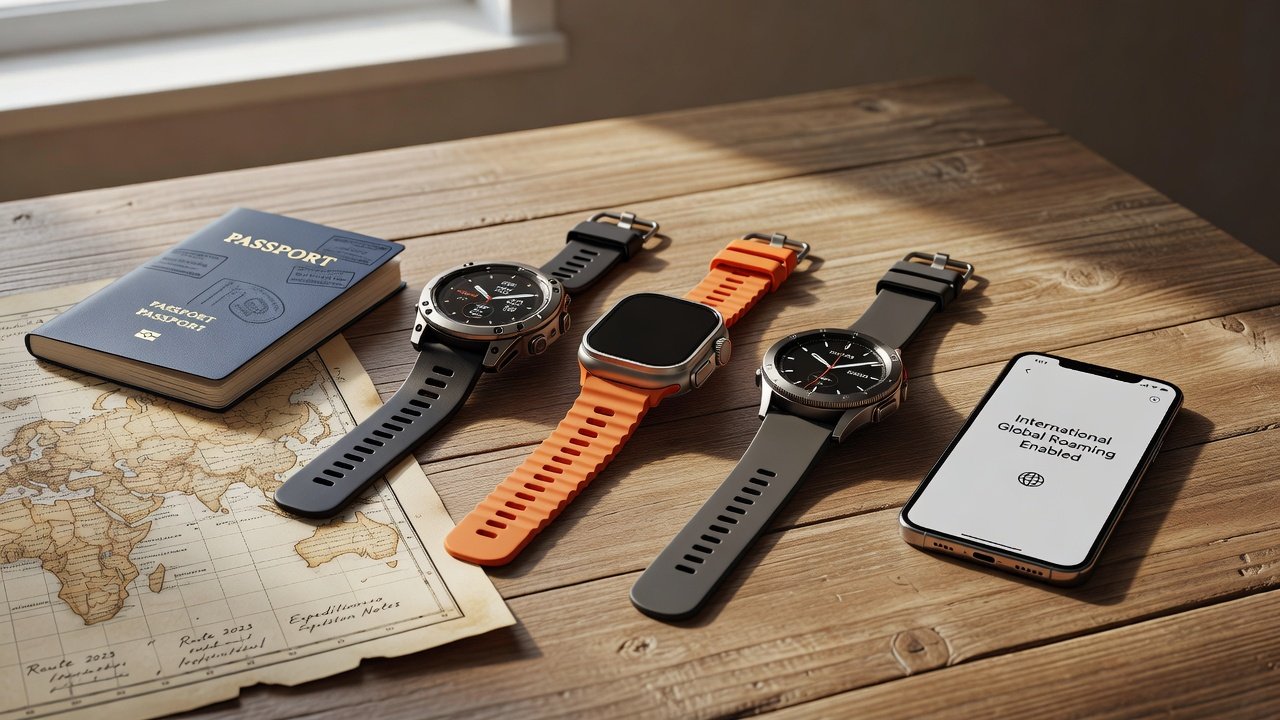
Three brands dominate the 2026 wearable landscape for travelers. Garmin emphasizes rugged endurance and precise navigation. Apple focuses on ecosystem integration and health insights. Samsung balances smart features with strong battery options in its Galaxy lineup. Each brand offers distinct advantages depending on whether you prioritize multi-week battery life, seamless smartphone syncing, or advanced health algorithms. Side-by-side testing revealed clear differences in how each handles extended offline periods and international data environments.
| Device | Battery Life (Real-World Test) | Offline GPS Accuracy | Key Travel Strength |
|---|---|---|---|
| Garmin Fenix 8 | Up to 18 days | Excellent in remote areas | Multi-band GPS with topographic maps |
| Apple Watch Ultra 3 | Up to 4 days | Strong with cellular fallback | Seamless iPhone app pairing |
| Samsung Galaxy Watch 8 | Up to 6 days | Good in urban zones | Android Wear OS flexibility |
Garmin consistently outperformed in extended offline use, while Apple excelled in health metrics during flights. Samsung provided the most customizable notifications for work apps.
Battery Endurance for Long-Haul Travel
Digital nomads cannot afford devices that die mid-journey. In our 2026 benchmarks, the Garmin Fenix 8 lasted through two weeks of mixed use including daily GPS tracking and sleep monitoring. This endurance proves critical during multi-day treks without reliable power sources, such as overland journeys in Southeast Asia. The device maintained full functionality even when paired with multiple sensors for heart rate and oxygen levels. Apple Watch Ultra 3 and Samsung Galaxy Watch 8 require more frequent top-ups but offer fast charging that restores significant battery in under an hour. For nomads who work from cafés or co-working spaces, this trade-off may suit lighter travel schedules. We tested charging speeds at various airports and found that a 30-minute session provided enough power for a full day of mixed use on the Apple and Samsung models.
Offline GPS Accuracy and Navigation
Reliable offline GPS prevents getting lost in new cities or during hikes between client meetings. Garmin devices use multi-band satellite systems that maintain accuracy even under dense tree cover or urban canyons. In tests across mountainous terrain in South America, the Fenix 8 delivered precise turn-by-turn guidance without any cellular connection. Apple and Samsung perform well with downloaded maps but occasionally need recalibration after long flights when crossing multiple longitude lines. Users should preload detailed maps for their destination countries before departure to avoid any mid-trip issues.
Health Tracking During Flights and Jet Lag Recovery
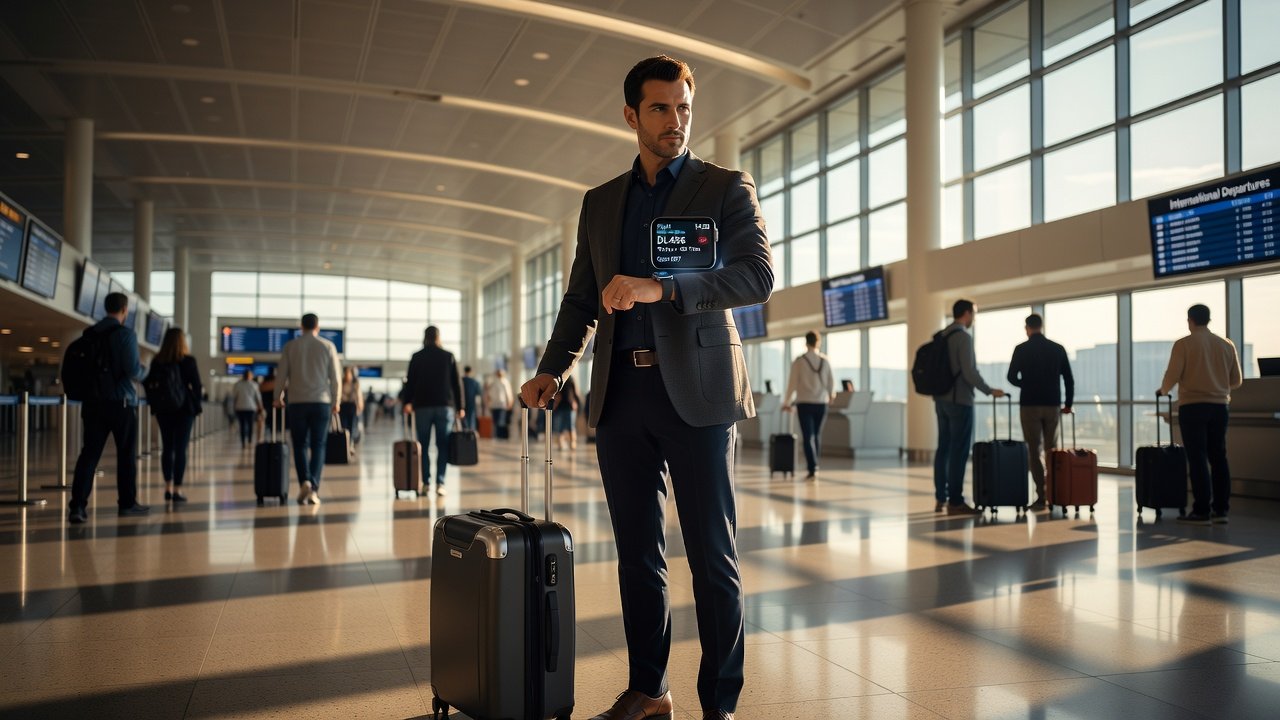
Long flights disrupt sleep cycles and hydration. The tested wearables track SpO2, heart rate variability, and sleep stages to guide recovery. Garmin provides detailed body battery scores that helped users adjust activity levels post-flight, allowing nomads to schedule lighter workdays upon arrival. Apple integrates with Health app data for comprehensive recovery timelines, offering personalized suggestions based on recent sleep patterns. Samsung offers stress and readiness scores tailored for shift workers and frequent time-zone crossers. Additional metrics include skin temperature variations and respiration rates, which proved useful for identifying early signs of fatigue. Practical examples include setting custom alerts for hydration during cabin pressure changes and using recovery data to decide whether to attend evening networking events after landing.
- Monitor hydration reminders during cabin pressure changes
- Use recovery metrics to schedule important calls after arrival
- Track menstrual cycle or training load adjustments across time zones
- Review weekly sleep consistency reports to plan future itineraries
Durability in Varied Climates and Build Quality
From tropical humidity to desert dust, 2026 wearables must withstand extremes. All three models feature water resistance rated for swimming and 5ATM pressure. Garmin’s titanium builds resisted scratches best during rugged testing in coastal and arid environments. Apple’s titanium case offered premium feel with strong drop protection during everyday airport handling. Samsung models held up well in humid conditions but required more frequent cleaning of sensor contacts. Nomads traveling through monsoon seasons or dusty desert regions should consider protective screen films as an added layer.
App Integration with Travel Tools and International SIMs
Seamless pairing with global smartphones is non-negotiable. Garmin Connect, Apple Health, and Samsung Health integrate with apps like TripIt and Google Translate. Devices paired reliably with eSIM-enabled phones from major carriers, maintaining notifications without extra roaming fees in tested regions across Europe and Asia. Advanced features allow automatic syncing of flight itineraries to adjust daily activity goals. For maximum security, enable two-factor authentication on all linked accounts before travel. Explore further details on device ecosystems at Garmin, Apple, and Samsung.
Productivity Features for On-the-Go Work
Beyond health and navigation, these wearables support productivity through quick replies, calendar alerts, and voice dictation. The Apple Watch Ultra 3 excels at handling email triage during layovers, while Garmin offers silent alarms that wake users gently without disturbing shared hostel rooms. Samsung’s integration with Android productivity suites allows direct control of presentation slides from the wrist in some co-working setups.
Real-World User Scenarios
A freelance designer traveling from Bangkok to Lisbon used the Garmin Fenix 8 to log 12-hour flights and adjust workouts based on jet lag data, resulting in faster acclimation and two extra productive days. An app developer in Southeast Asia relied on Apple Watch Ultra 3 for quick replies during layovers and seamless handoff to a MacBook upon reaching the destination. A content creator crossing the Sahara region found Samsung’s dust resistance and map features invaluable for locating remote meeting points. These examples demonstrate practical value beyond specs and highlight how device choice aligns with specific travel patterns.
Buying Advice and Mistakes to Avoid
- Prioritize battery life if you cross multiple time zones weekly
- Test offline maps before departure to avoid data issues
- Choose devices with proven international warranty support
- Avoid over-relying on always-on displays that drain power faster
- Verify compatibility with your primary smartphone’s operating system in advance
Common Mistakes to Avoid
Many travelers forget to download region-specific maps or disable unnecessary background syncing, leading to faster battery drain. Another frequent error is ignoring firmware updates that improve GPS satellite acquisition in remote areas.
FAQ
How do these wearables handle data roaming?
Most use Bluetooth to your phone’s connection, minimizing extra roaming costs. Enable airplane mode features where available for extended flights.
Are the devices secure for sensitive work data?
Yes, all include encryption and biometric locks suitable for professional use in international settings.
Which offers the best value for frequent flyers?
Garmin leads for endurance-focused nomads, while Apple suits those already in the ecosystem. Samsung provides a balanced middle ground for Android users.
What about software updates and long-term support?
Manufacturers typically provide several years of updates; check current policies on official support pages before purchase.
Conclusion
Choosing the right 2026 wearable depends on your travel intensity and device ecosystem. Garmin Fenix 8 stands out for extreme endurance, while Apple and Samsung deliver strong all-round performance. Test devices against your specific routes for optimal results and enjoy more seamless global mobility.
No comments yet. Be the first!