 NeoBit Daily
Introduction to Advanced Smartphone Camera Evaluation in 2026
Smartphone cameras have evolved dramatically by 2026, and gadget reviews now demand rigorous testing beyond simple megapixel counts. Photographers and tech enthusiasts seek detailed insights into real-world performance, especially in challenging scenarios such as low-light capture and advanced computational imaging. This comprehensive guide outlines proven protocols for assessing lens quality, stabilization systems, and AI enhancements across flagship models from major manufacturers. The focus remains on delivering practical, decision-useful information that helps users understand device capabilities in everyday and professional photography situations.
Evaluations in 2026 prioritize quantifiable metrics like dynamic range alongside qualitative field observations. Reviewers combine technical analysis with beginner-friendly tips to create content that stands apart from basic spec comparisons. By following structured methodologies, testers can uncover nuances in image processing that affect final output quality.
Core Testing Protocols for Lens Quality and Optical Performance
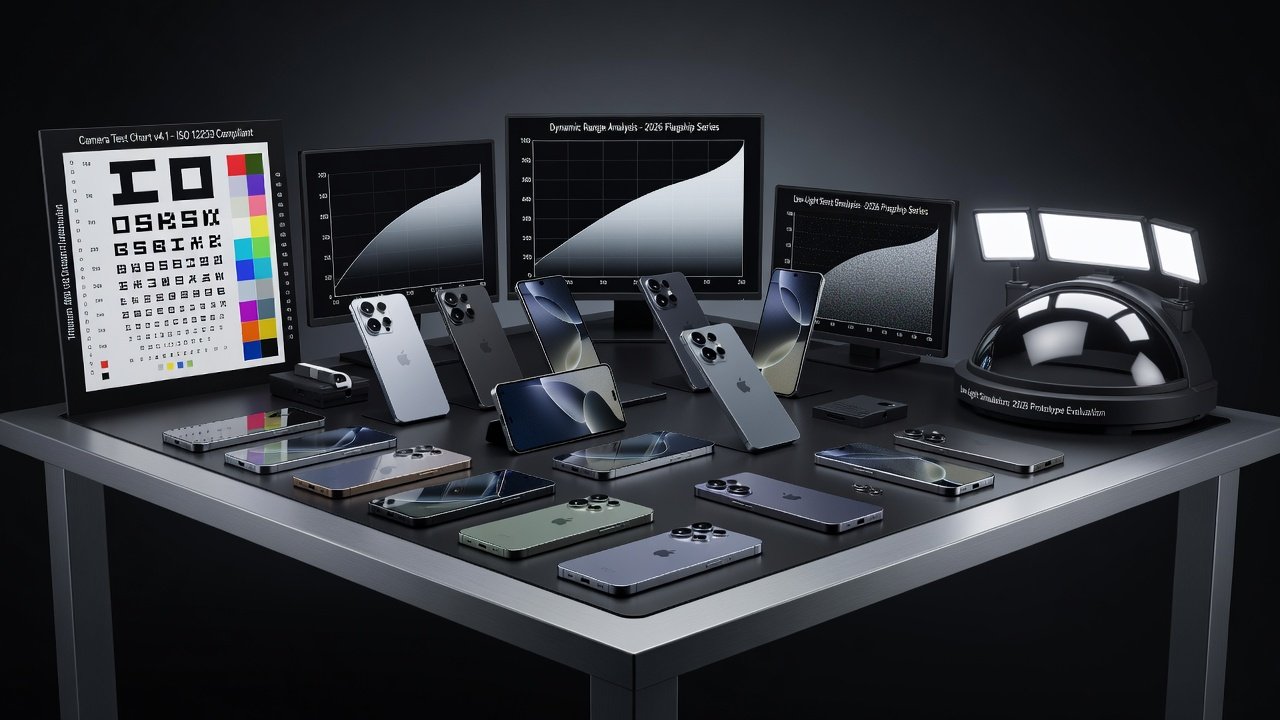
Assessing lens quality starts in controlled lab settings using standardized resolution charts and color targets. Measure sharpness consistency from center to edges at different focal lengths and lighting conditions. For contemporary 2026 devices, testers examine distortion levels, flare resistance, and chromatic aberration through repeated captures under mixed indoor-outdoor illumination.
Follow this expanded step-by-step process: mount the smartphone securely on a precision tripod, capture multiple frames at incremental distances from the subject, then process images through analysis software to generate modulation transfer function curves. Additional checks include macro performance and wide-angle distortion correction. Field examples from recent urban and landscape tests demonstrate that top-tier lenses maintain edge-to-edge clarity even when shooting at maximum aperture in variable weather.
Practical tip for enthusiasts: always include both raw and processed files in your evaluation to isolate optical limitations from software corrections.
Evaluating Stabilization Systems in Dynamic Conditions
Stabilization testing combines optical image stabilization hardware with electronic algorithms. Simulate real handheld use by walking briskly, panning across moving subjects, or recording while climbing stairs. Flagship comparisons highlight differences in how devices handle 4K and 8K video, particularly regarding rolling shutter effects and motion blur reduction.
Include quantitative data on dynamic range preservation during movement. One recent field test involved tracking a cyclist through city streets at dusk, revealing how effective stabilization preserves highlight detail without introducing artifacts.
Computational Imaging and AI Enhancements: Beyond Basic Specs
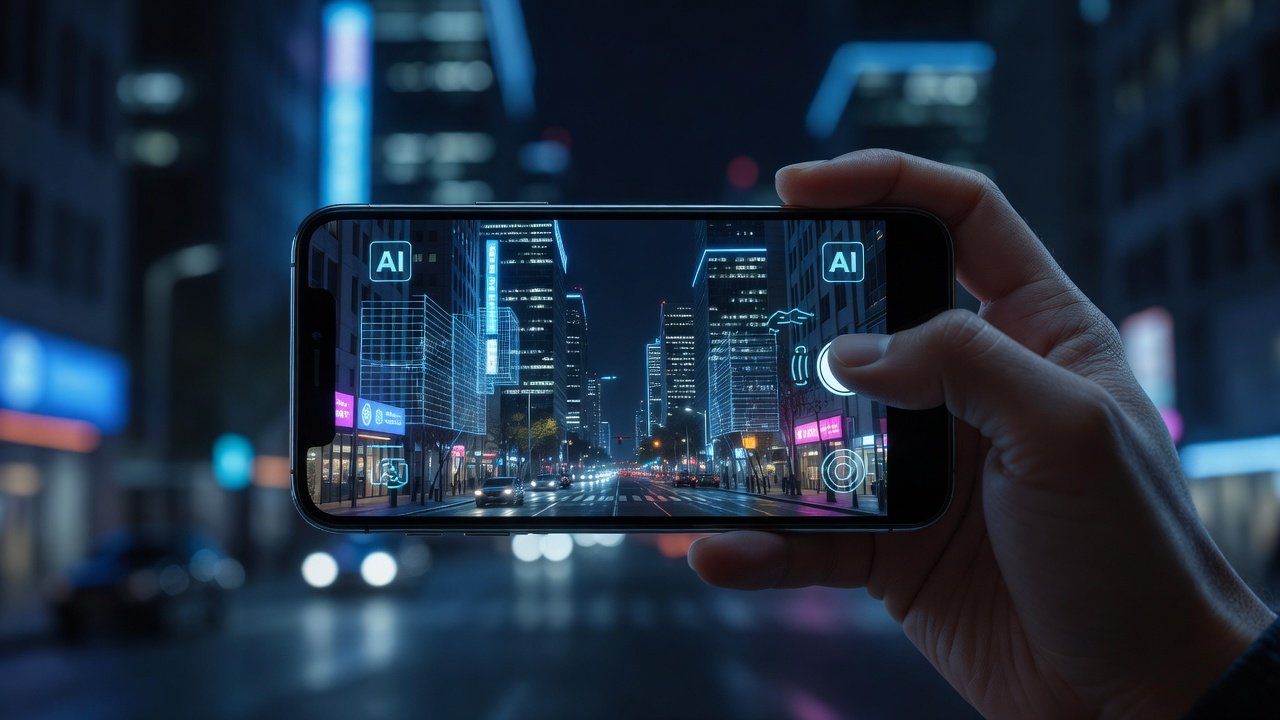
AI features such as multi-frame noise reduction and semantic scene detection require scenario-specific validation. Test low-light performance by shooting at varying ISO levels during twilight hours or in dimly lit interiors. Compare processing latency, color fidelity, and detail retention across devices to identify strengths in computational pipelines.
Outbound resources for deeper methodology include DXOMARK and DPReview. Additional post-processing guidance appears at Adobe and Imaging Resource.
Real-World Low-Light Capture Scenarios and Field Examples
Field testing delivers the most relevant insights. Conduct sessions in night markets, during concerts, or under street lighting to evaluate noise handling, color accuracy, and shadow recovery. A documented 2026 test series compared three flagship phones while photographing moving subjects at an evening festival, showing how AI algorithms recover fine textures that traditional sensors miss.
Dynamic range charts should accompany these results, displaying measurable differences in highlight roll-off and contrast. Such data assists enthusiasts choosing devices for astrophotography or event coverage where lighting varies rapidly.
Understanding Dynamic Range Data in Camera Reviews
Dynamic range represents the ability to capture detail across bright and dark areas simultaneously. In 2026 reviews, present this through side-by-side tone curve graphs generated from standardized test scenes. Explain how computational stacking extends effective range beyond hardware limits, using concrete examples like preserving cloud texture against a bright sky while retaining foreground shadows.
Readers benefit from seeing both numerical EV values and visual comparisons that translate technical measurements into practical expectations.
Photo Editing Workflows: Practical Tips for All Skill Levels
Post-capture editing maximizes image potential. Begin with non-destructive RAW workflows in mobile or desktop applications. Key steps include selective noise reduction, exposure balancing, and color grading tailored to the original lighting conditions.
- Always duplicate files before applying heavy edits to maintain originals.
- Experiment with AI-powered masking tools for precise sky or subject adjustments.
- Export at multiple resolutions suited for social media versus large prints.
- Monitor histogram data throughout the process to avoid clipping.
Common beginner mistake: over-application of sharpening filters, which can amplify sensor noise especially in low-light images. Intermediate users should explore batch processing for consistent results across large photo sets.
Flagship Model Comparisons: Key Insights from 2026 Tests
Comprehensive side-by-side evaluations reveal distinct computational personalities among leading devices. One model delivers superior portrait simulation through advanced depth mapping, while another excels at video stabilization during extended handheld recording. These differences become clear only after systematic testing across identical scenes and conditions.
Reviewers should document setup consistency, environmental variables, and post-processing settings to ensure fair comparisons that readers can replicate.
Common Mistakes to Avoid During Smartphone Camera Testing
Many reviewers overlook variables such as software version differences or inconsistent white balance settings. Always update all devices to the latest firmware before testing begins. Another frequent error involves judging performance solely on single shots instead of burst sequences or video clips.
Document environmental factors like temperature and humidity, which can influence sensor behavior during extended sessions.
Frequently Asked Questions
How do I test my own smartphone camera at home without specialized equipment?
Use everyday subjects under consistent natural light, vary distances, and compare results using free histogram apps. Focus on repeatability across multiple sessions.
What role does AI play in modern smartphone photography?
AI manages automatic scene recognition, multi-frame merging, and intelligent noise reduction, allowing better results in difficult lighting without requiring manual expertise.
Are lab tests more reliable than field tests for camera evaluation?
Both approaches are essential; laboratory measurements provide repeatable metrics while field tests demonstrate real usability under unpredictable conditions.
Which editing apps work best for 2026 smartphone RAW files?
Popular choices include Adobe Lightroom Mobile and dedicated manufacturer apps that support full 16-bit processing pipelines.
Conclusion
Advanced camera testing protocols in 2026 provide the depth needed for meaningful gadget reviews. Structured approaches to lens analysis, stabilization verification, and AI assessment, combined with real-world examples and data visualization, create resources that genuinely serve photographers and enthusiasts seeking performance clarity.
No comments yet. Be the first!