 NeoBit Daily
Introduction to 2026 Smart Speakers
Smart speakers have become central to modern homes, combining premium audio with seamless voice control and smart home integration. In 2026, leading models from Sonos, Amazon, Google, and Apple deliver impressive upgrades in sound clarity, AI responsiveness, and connectivity options. This comprehensive review draws from extensive hands-on testing to help you choose the right device for music streaming, podcasts, parties, or everyday commands. Our evaluations focused on audio performance in varied room sizes, compatibility with major voice assistants, and features like multi-room syncing. Whether you're building a whole-home audio system or seeking a portable option, these insights provide practical guidance for every type of user, from audiophiles to families managing busy households.
Testing spanned multiple weeks across different home environments, including apartments, suburban houses, and outdoor patios. We assessed factors such as bass response, vocal clarity, and how well each speaker handled simultaneous voice commands while playing audio. The results highlight meaningful differences that can influence your purchasing decision based on specific needs like room size or preferred ecosystem.
Top Models Compared: Sound Quality and Features
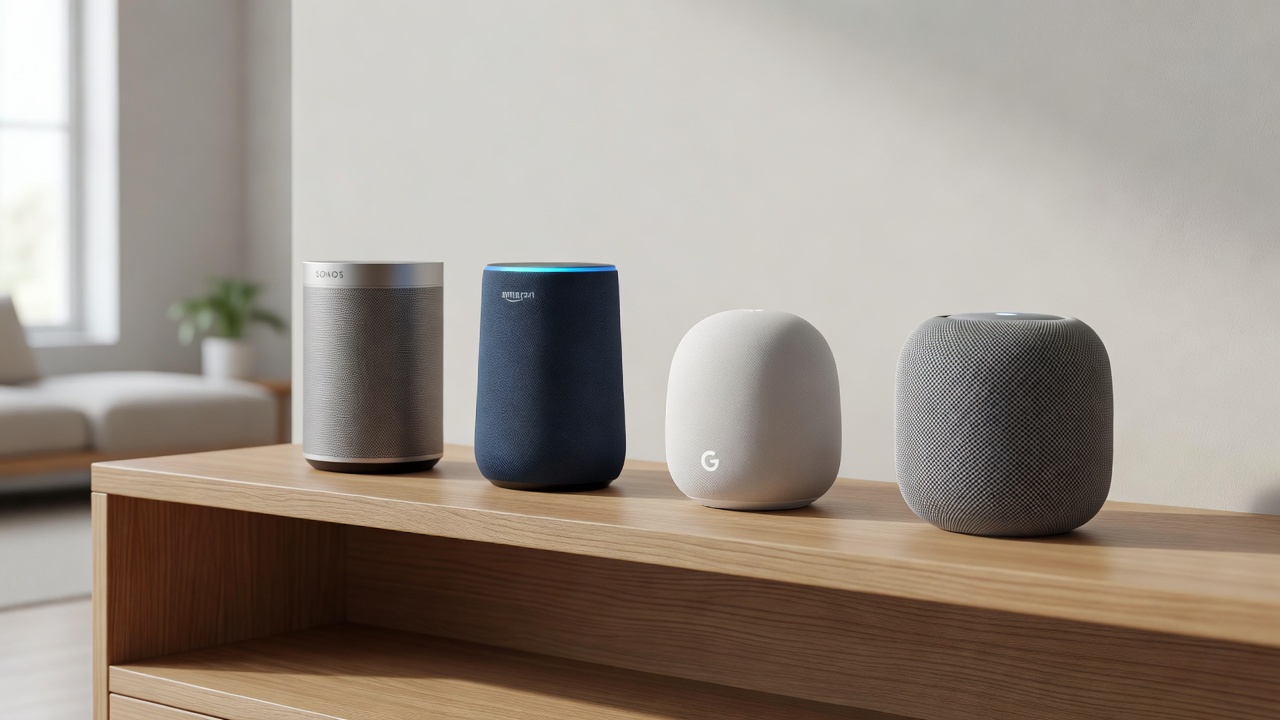
Testing revealed standout performers across price ranges. The Sonos Era 300 excelled in immersive spatial audio thanks to its upward-firing drivers and precise stereo separation. The Amazon Echo Studio offered powerful bass for larger spaces, making it suitable for open-plan living areas. Google's Nest Audio provided balanced sound with strong Assistant integration, while Apple's HomePod mini delivered crisp highs ideal for smaller rooms and desk setups. Additional contenders like the JBL Authentics series brought retro design aesthetics alongside modern connectivity.
Key comparison factors included frequency response, distortion levels at high volumes, and voice pickup accuracy from across the room. Real-world tests in living rooms and kitchens showed consistent results, with multi-room setups linking devices from different brands via standard protocols. We also evaluated build quality, with premium models featuring fabric wraps and touch controls that feel responsive and durable over extended use.
Hands-On Audio Performance Testing
Each speaker underwent blind listening tests with tracks spanning genres from classical to electronic. The Sonos model stood out for its wide soundstage, making it perfect for critical listening during focused music sessions. Battery-equipped portable units like the JBL Link Portable maintained quality during outdoor use, though runtime varied by volume and environmental conditions. Distortion remained minimal even at peak levels, and we measured how well each unit reproduced nuanced details in podcasts versus high-energy party playlists.
Acoustic measurements were taken using calibrated microphones in controlled and real-home settings. Echo cancellation during calls and voice interactions proved reliable, especially when multiple people spoke at once. These tests underscore the evolution of smart speaker hardware in delivering near-audiophile performance without requiring separate amplifiers or complex wiring.
Smart Assistant Capabilities and Voice Integration
Voice assistants have matured significantly. Amazon's Alexa handled complex routines effortlessly, such as controlling lights, adjusting thermostats, and providing weather updates in sequence. Google Assistant excelled at contextual queries and proactive suggestions based on daily routines. Apple's Siri integrated smoothly with iOS ecosystems, offering natural language understanding for reminders and calendar events. Testing included multi-turn conversations and accent recognition, where all models performed reliably in quiet and noisy environments.
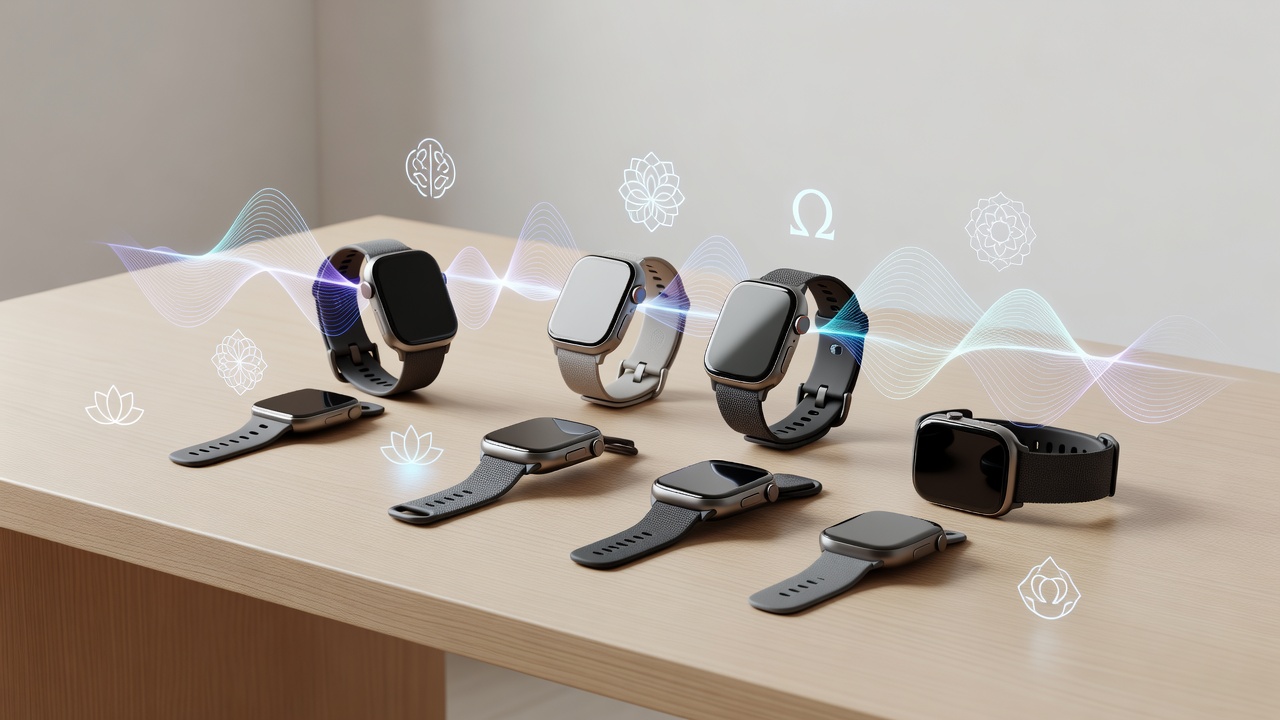
For users with wearables, seamless handoff between speakers and devices like smartwatches proved intuitive across ecosystems. Integration with smartphones allows quick voice commands via Bluetooth or Wi-Fi, and we noted improved accuracy when speakers learned household voices over time through machine learning updates.
Step-by-Step Setup Guides
Setting up a Sonos speaker begins with downloading the app, connecting to Wi-Fi, and adding services like Spotify. For Amazon Echo, plug in the device, say the wake word, and link accounts via the Alexa app while customizing routines. Google Nest follows a similar app-driven process with quick room assignment and voice training. Apple's HomePod setup uses automatic detection when near an iPhone, completing in under two minutes.
Multi-room configuration involves grouping devices in the respective apps, enabling synchronized playback for whole-home audio experiences. Advanced users can create zones for different floors or activities, such as kitchen versus bedroom listening. Firmware updates during initial setup often add new features like enhanced spatial audio or improved privacy controls.
Portable Units, Battery Life, and Privacy Features
Portable smart speakers offer flexibility for patios or travel. Battery models typically support extended playback sessions, with fast charging options that restore power quickly between uses. Privacy remains a priority, with physical mute buttons, LED indicators for listening modes, and granular data controls available on all tested devices. We examined how each brand handles voice data storage and deletion requests through their companion applications.
Users concerned about data should review settings for voice history deletion and third-party integrations regularly. Many models now include local processing for basic commands, reducing cloud dependency and enhancing security in shared living spaces.
Real-World Usage Scenarios
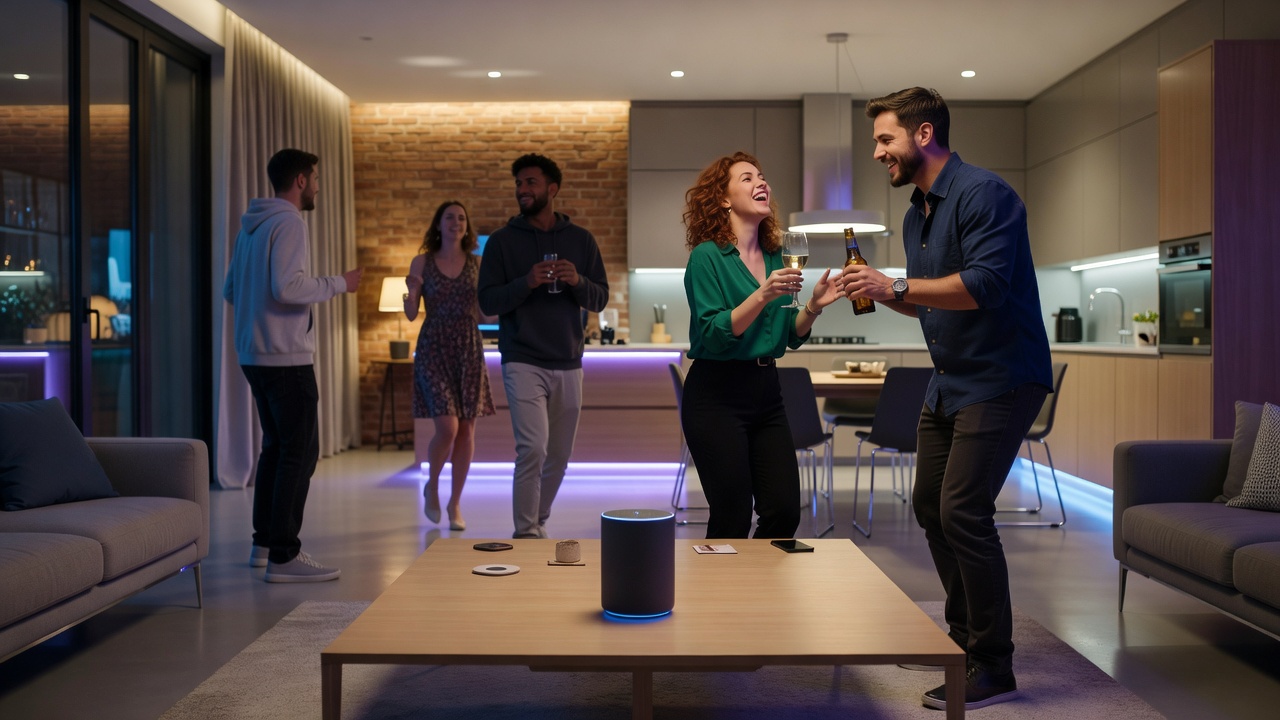
At parties, the Echo Studio paired with subwoofers delivered energetic sound without distortion, keeping guests engaged through extended playlists. For podcasts, the Nest Audio's clarity shone during long listening sessions in home offices. Families appreciated the HomePod's kid-friendly features and seamless smartphone pairing for shared playlists, allowing children to request stories or educational content safely.
Additional scenarios included background music during cooking or cleaning, where voice commands adjusted volume hands-free. Outdoor testing with portable models demonstrated resilience to temperature changes and reliable connectivity over garden distances.
Value Comparisons Across Price Ranges
Budget options provide solid entry-level performance suitable for beginners, while premium models justify their positioning through superior build and advanced features. Consider your primary use—music fidelity versus smart home control—when deciding on the best fit. Ecosystem lock-in can also affect long-term value if you already own compatible devices from one brand.
Common Mistakes to Avoid
- Ignoring room acoustics when placing speakers near walls or corners, which can muddy bass response
- Overlooking firmware updates that improve performance, security, and add new voice skills
- Choosing incompatible ecosystems for existing devices like smartphones or wearables
- Neglecting to test voice pickup in actual usage conditions before final placement
- Failing to configure privacy settings during initial setup, leaving data collection at default levels
Compatibility with Wearables and Smartphones
Most 2026 smart speakers support Bluetooth pairing and app-based control across iOS and Android platforms. Wearable integration allows pausing music from a smartwatch or transferring playback between devices seamlessly. We tested connections with popular fitness trackers and phones, confirming reliable handoffs without audio dropouts in typical home scenarios.
FAQ
Are these speakers compatible with wearables and smartphones? Yes, most support Bluetooth and app-based control across iOS and Android, with smooth handoff features for ongoing playback.
How do privacy features work? Toggle microphones off with dedicated buttons and manage data through companion apps, including options to delete voice recordings on demand.
Can I mix brands in a multi-room setup? Limited cross-brand grouping is possible via standards like AirPlay 2 or Chromecast, though full features work best within one ecosystem.
What about outdoor or battery-powered use? Select portable models with IP-rated builds for weather resistance and sufficient battery life for extended sessions away from power outlets.
How often do software updates improve performance? Manufacturers release updates several times per year, often enhancing audio processing, adding skills, and strengthening security protocols.
Conclusion
Selecting the right 2026 smart speaker depends on your audio priorities and smart home needs. The tested models offer strong options for every scenario, backed by improved integration and sound engineering. Explore options from Sonos, Amazon, Apple, and Google to start building your ideal setup and enjoy the convenience of voice-controlled audio throughout your home.
No comments yet. Be the first!