 NeoBit Daily
Introduction to Smart Gadget Reviews in 2026
Smart gadgets continue to evolve rapidly in 2026, blending advanced AI features with seamless connectivity across smartphones, wearables, and smart home systems. For beginners eager to evaluate devices like smartwatches, wireless earbuds, fitness trackers, and home hubs, a structured review process is essential to cut through marketing hype and deliver genuine insights. This comprehensive guide provides a detailed framework for testing performance, endurance, integration, and usability, empowering you to make informed purchase decisions that align with your lifestyle needs.
By following professional methodologies, reviewers can uncover real strengths and weaknesses that lab specs alone cannot reveal. Whether assessing a new AI-powered fitness tracker or a multi-device ecosystem hub, transparent testing builds trust with readers and helps consumers avoid costly mistakes. In today's market, where devices integrate deeply with personal data and daily routines, understanding these evaluation techniques ensures your reviews stand out for their depth and reliability.
Key Evaluation Criteria for Smart Devices
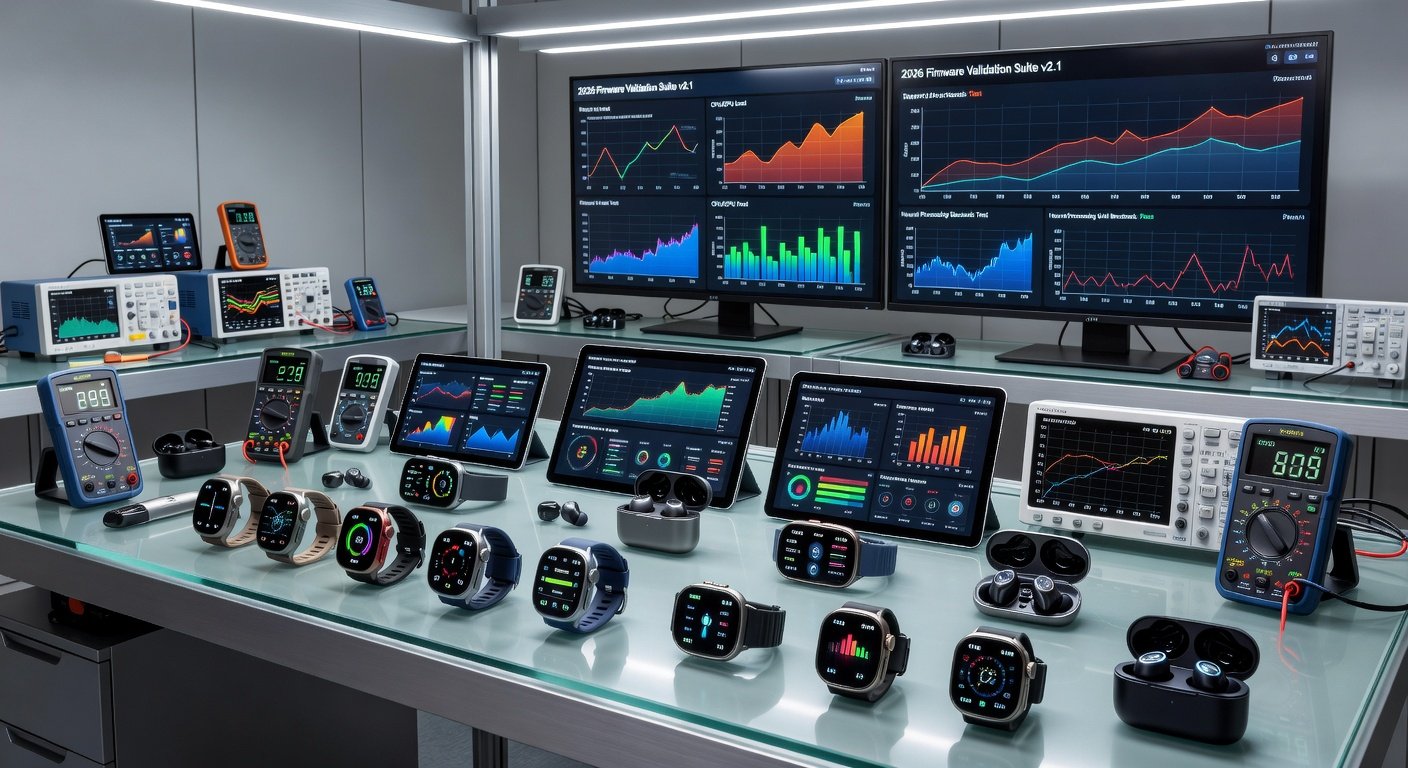
Effective reviews start with clearly defined criteria that cover both technical and practical aspects. Performance benchmarks measure processing speed, responsiveness under load, and how well the device handles multitasking such as running health apps while streaming music. Battery endurance testing reveals how devices perform during extended daily use, from morning workouts and commutes to overnight health monitoring, providing data on real depletion rates rather than manufacturer claims.
Ecosystem integration examines compatibility with popular smartphones and wearables, ensuring reliable data synchronization, notification handling, and cross-platform functionality without frequent dropouts. Real-world usability considers ergonomics, interface intuitiveness, comfort during prolonged wear, and long-term reliability in varied environments like outdoor conditions or humid climates. These criteria together create a holistic view that goes beyond surface-level features.
Step-by-Step Testing Protocols
Begin your review with unboxing and initial setup to note any onboarding friction, such as complicated app pairings or unclear instructions. Document the time required and any error messages encountered. Next, run standardized benchmarks using dedicated apps that simulate multitasking scenarios, recording metrics like app launch times and frame rates during video playback.
For battery tests, track usage over a minimum 48-hour period while logging screen-on time, background activity, and charging speeds under different conditions. Evaluate ecosystem integration by pairing devices with multiple smartphone brands and wearables, testing data transfer speeds, notification latency, and seamless handoffs between gadgets. Conclude with usability trials involving actual daily tasks such as navigation during runs, media control in noisy environments, and continuous health tracking throughout a full workday.
Essential Tools and Metrics
Equip yourself with reliable instruments for accurate and repeatable results. Use a digital multimeter for precise power consumption measurements, a dedicated stopwatch or timing app for benchmark durations, and software tools like Geekbench or 3DMark for standardized performance scoring. Additional helpful items include a lux meter for display brightness testing and environmental sensors to monitor temperature impacts on battery life.
- Performance metrics: CPU and GPU benchmark scores, app launch times in seconds, and multitasking stability ratings
- Battery metrics: Total hours of mixed use, fast charging duration to 80 percent, and standby drain percentages
- Integration metrics: Sync success rate over 100 attempts, average latency in milliseconds, and compatibility across iOS and Android platforms
- Usability metrics: User error frequency during tasks, comfort ratings on a 1-10 scale, and interface navigation efficiency
These quantifiable metrics provide the foundation for credible, data-driven reviews that readers can trust and compare.
Sample Test Scenarios for Real-World Validation
To move beyond controlled lab conditions, incorporate sample scenarios that mimic everyday use. For instance, test a smartwatch during a 10-kilometer outdoor run by monitoring heart rate accuracy, GPS tracking consistency, and battery drain while paired with a smartphone for music streaming. Another scenario involves using wireless earbuds for an eight-hour workday, evaluating call clarity in office noise, comfort over long periods, and seamless switching between devices.
These practical exercises highlight issues like overheating during intensive use or connectivity drops in crowded areas that pure benchmarks might miss. Repeating tests across multiple days accounts for variability and strengthens the reliability of your findings.
Side-by-Side Comparison Examples
Consider a detailed comparison between two leading 2026 flagship smartwatches. One model excels in battery life, lasting up to 72 hours during continuous heart-rate and sleep monitoring, while the other offers faster app responsiveness and broader ecosystem integration with both major smartphone operating systems. Document differences through side-by-side tables showing metrics such as average daily battery usage, sync times, and user-reported comfort scores after week-long trials.
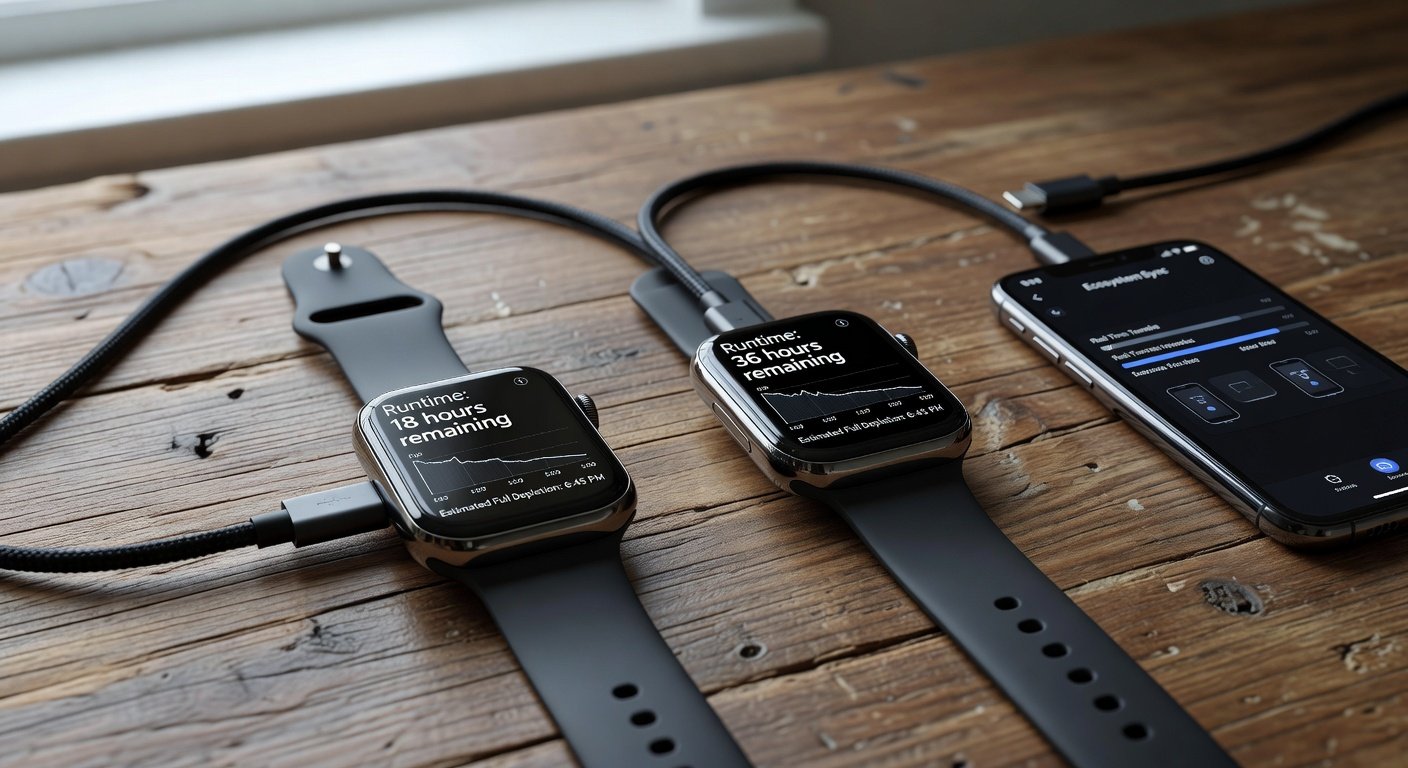
Such comparisons reveal meaningful trade-offs, such as sacrificing some battery capacity for enhanced AI coaching features, guiding readers toward devices that best match their specific priorities like athletic training versus general wellness tracking.
Common Review Pitfalls to Avoid
Many beginners overlook environmental variables, such as how extreme temperatures affect battery performance or sensor accuracy during outdoor activities. Always incorporate field tests in real conditions rather than relying solely on indoor lab setups. Another frequent mistake is ignoring firmware updates, which can significantly improve or alter device behavior after initial reviews are published.
Avoid subjective opinions without supporting data by always backing claims with repeatable measurements. Cross-reference your methodologies with established standards from organizations like NIST to ensure measurement accuracy and consistency across reviews.
Interpreting Results and Making Informed Decisions
Translate raw test data into clear, actionable insights for your audience. High benchmark scores may matter less if battery endurance fails to support a full day of heavy use. Prioritize devices demonstrating strong ecosystem integration if readers already own compatible wearables or smart home products. Present balanced pros and cons with specific examples from your testing to help consumers weigh features against their individual requirements and budgets.
Checklists for Beginner Reviewers
Use these practical checklists to ensure thorough coverage in every review:
- Pre-test preparation: Charge all devices fully, update firmware, and gather necessary tools and apps.
- Core testing phase: Complete performance benchmarks, battery endurance runs, integration pairings, and usability tasks.
- Data recording: Log all metrics with timestamps, environmental notes, and any anomalies observed.
- Analysis and writing: Compare results against criteria, identify strengths and weaknesses, and draft balanced conclusions.
Following these steps systematically prevents oversights and produces more professional outcomes.
FAQ: Beginner Questions on Gadget Review Methodology
How long should battery endurance tests last? Conduct at least 48 hours of typical usage patterns, including a mix of active and standby periods, to capture realistic depletion rates and charging behaviors.
What if a device fails integration tests? Note specific error messages and retry after applying the latest software updates to distinguish between hardware limitations and temporary firmware glitches.
Are lab benchmarks sufficient on their own? Supplement them with real-world scenarios for a complete evaluation, following guidelines similar to those promoted by IEEE for comprehensive technology assessments.
How do I handle conflicting results across test days? Average multiple runs and report the range of outcomes to provide transparency about variability in performance.
Conclusion
Mastering the art of smart gadget reviews in 2026 equips beginners with the expertise needed to navigate an increasingly complex tech landscape. By applying these detailed protocols, checklists, and interpretive strategies consistently, you can deliver valuable, trustworthy content that genuinely helps consumers choose the right devices for their needs.


No comments yet. Be the first!