 NeoBit Daily
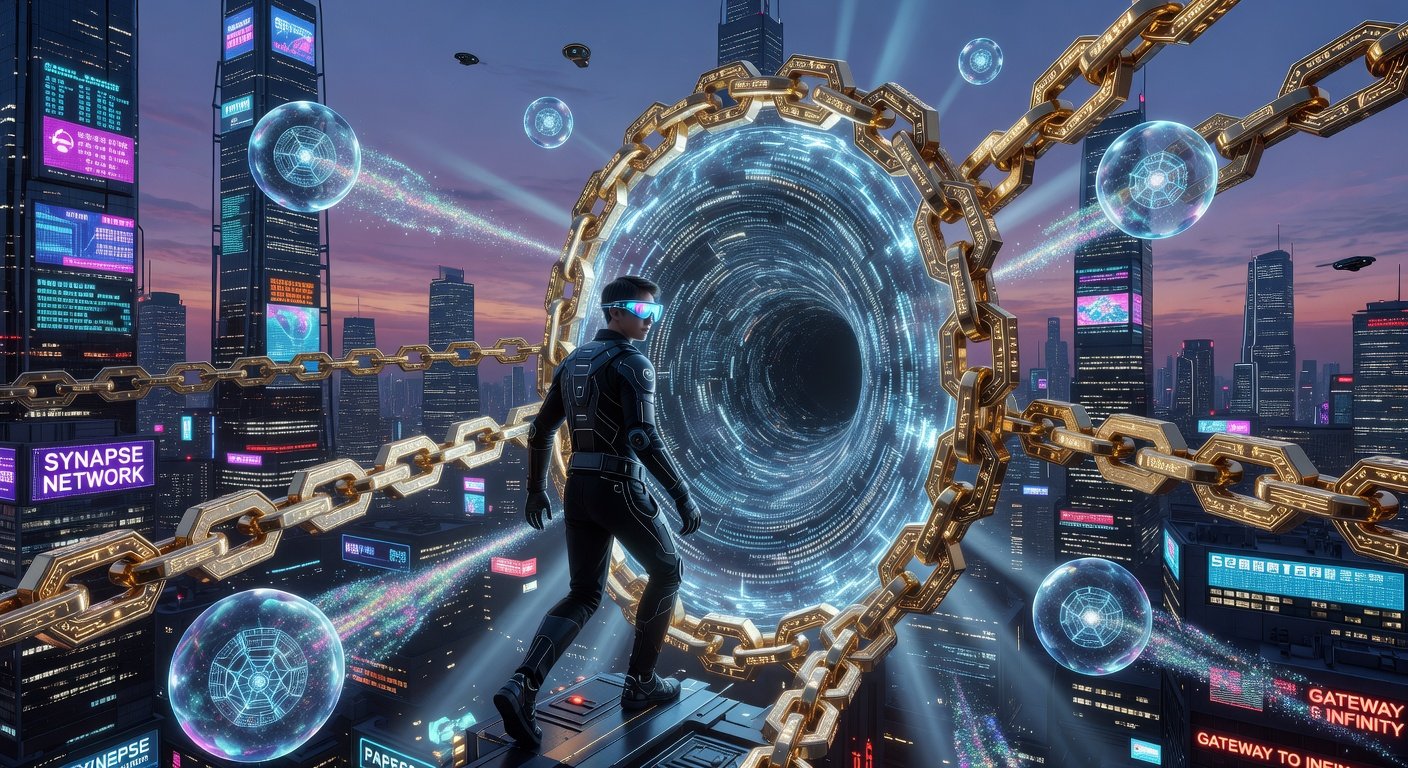
The Dawn of Convergent Tech: VR/AR, Blockchain, and Quantum in 2026
In the fast-evolving landscape of technology, 2026 marks a pivotal year where virtual reality (VR), augmented reality (AR), blockchain, and quantum computing collide to birth unprecedented applications. Imagine immersive metaverses where transactions are secured by unbreakable quantum encryption and blockchain's decentralized trust. This convergence isn't just hype—it's backed by ongoing innovations from industry leaders. This guide dives into the key developments, real-world examples, bold predictions, and actionable steps for developers to harness this trifecta.
Why now? VR/AR hardware has matured with lighter headsets and 8K displays, blockchain scales via layer-2 solutions, and quantum computers hit practical qubit thresholds. Together, they solve longstanding challenges in security, immersion, and computation.
Key Innovations Driving the Convergence
The magic happens at the intersection:
- Quantum-Resistant Blockchain: Quantum computers threaten classical encryption like RSA. Post-quantum cryptography (PQC) algorithms, standardized by NIST, integrate into blockchains for quantum-safe ledgers.
- VR/AR-Enhanced Smart Contracts: AR overlays visualize blockchain data in real-time, while VR simulates contract executions in 3D metaverses.
- Quantum Computing for Metaverse Optimization: Quantum algorithms optimize massive VR worlds, handling physics simulations and AI NPCs at scales impossible classically.
For instance, quantum key distribution (QKD) ensures VR sessions are tamper-proof, blending seamlessly with blockchain oracles for real-world data feeds.
Real-World Case Studies Paving the Way
While full convergence is nascent, prototypes and pilots foreshadow 2026 realities.
IBM's Quantum-Secured Metaverse Experiments: IBM leverages its Quantum platform to test entanglement-based security for virtual environments. In a 2024 pilot, they simulated a blockchain network resistant to quantum attacks, envisioning VR marketplaces where users trade NFTs with zero trust assumptions.
Ethereum's Layer-2 VR Integrations: Projects like Decentraland evolve with AR via Ethereum's rollups. A 2025 case saw Vodafone partnering for AR blockchain wallets, displaying balances in real-world views—primed for quantum upgrades.
NVIDIA Omniverse Meets Quantum: NVIDIA's Omniverse platform, used for collaborative VR/AR, experiments with quantum-accelerated rendering. A collaboration with quantum startups rendered hyper-realistic metaverses 100x faster, secured by blockchain provenance tracking.
These cases highlight practical fusion: IBM provides quantum backbone, Ethereum the decentralized ledger, and VR/AR the user interface.
Challenges Overcome
- Scalability: Quantum oracles query blockchains efficiently.
- Latency: Edge AR devices process quantum-encrypted data locally.
- Interoperability: Standards like Web3 APIs bridge ecosystems.
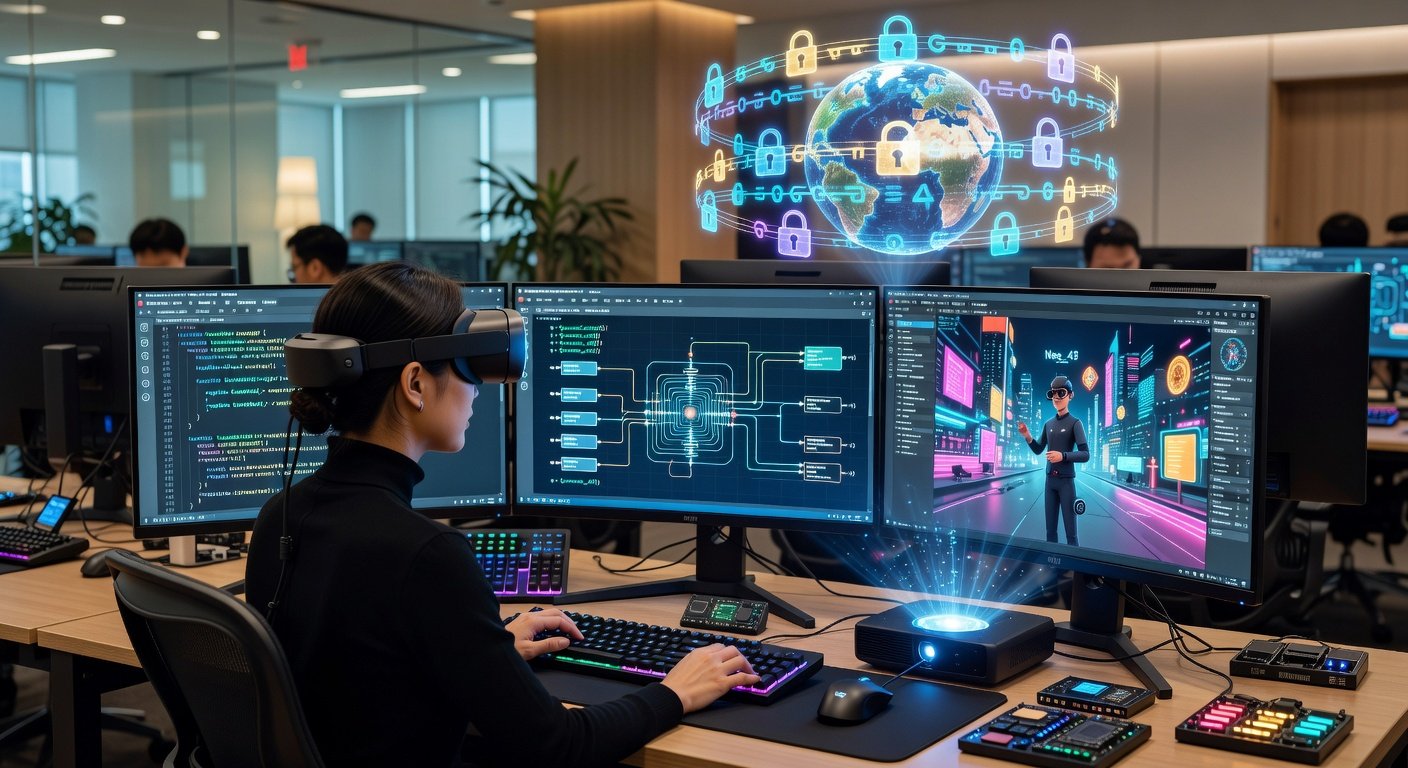
Predictions for 2026: What to Expect
By 2026, expect these breakthroughs:
- Immersive Secure Metaverses: Platforms like a "QuantumVerse" where users enter VR worlds with blockchain identities verified via quantum signatures. Transactions? Instant, zero-knowledge proofs ensure privacy.
- Unbreakable Encryption Everywhere: Consumer AR glasses with built-in QKD chips, linking to blockchain wallets. Hacking a session? As feasible as breaking physics.
- Enterprise Applications: Supply chain VR simulations secured by quantum blockchains, predicting disruptions with quantum ML.
- Mass Adoption: 500 million metaverse users, 30% of enterprises using hybrid stacks.
Market forecasts align: Gartner predicts quantum-blockchain hybrids in 40% of enterprises by 2027, while Statista eyes VR/AR market at $100B.
Practical Steps for Developers: Implementation Guide
Ready to build? Start small, scale quantum-ready.
Step 1: Set Up Your Stack
- VR/AR: Use Unity or Unreal Engine with WebXR for browser compatibility.
- Blockchain: Ethereum or Polygon for smart contracts; integrate Ethereum tools like Hardhat.
- Quantum: Access IBM Quantum or AWS Braket for simulations; use Qiskit SDK.
Step 2: Integrate Quantum-Resistant Crypto
Adopt NIST PQC libraries like liboqs. Example Solidity snippet for quantum-safe signatures:
import "@openzeppelin/contracts/utils/cryptography/ECDSA.sol";
// Upgrade to Dilithium or Falcon for PQC
Test on local quantum simulators.
Step 3: Build Immersive Interfaces
- Create AR overlays with A-Frame: Visualize blockchain tx hashes as 3D holograms.
- VR Metaverse: Use Decentraland SDK, add quantum oracles via Chainlink for real-time data.
- Security Layer: Implement QKD with libraries like OpenQuantumSafe.
Step 4: Optimize and Deploy
Profile with quantum variational algorithms for rendering. Deploy on IPFS for decentralized storage, edge nodes for low-latency AR.
Tools Roadmap:
- 2025: Hybrid classical-quantum dev kits from Google Quantum AI.
- 2026: Full-stack SDKs from Meta and IBM.
Pro Tip: Join communities like Quantum Economic Development Consortium for grants and collaborations.
Potential Pitfalls and Mitigations
- Cost: Use cloud quantum access; starts at $1.50/minute.
- Skills Gap: Learn via free courses on Coursera (Quantum ML).
- Regulation: Monitor EU Quantum Act for compliance.
The Future is Quantum-Immersive
2026's convergence of VR/AR, blockchain, and quantum computing redefines digital interaction. From secure metaverses to encrypted realities, developers who integrate now lead the revolution. Start experimenting today—your unbreakable, immersive app awaits.

No comments yet. Be the first!