 NeoBit Daily
Introduction to Next-Generation Immersive Technologies
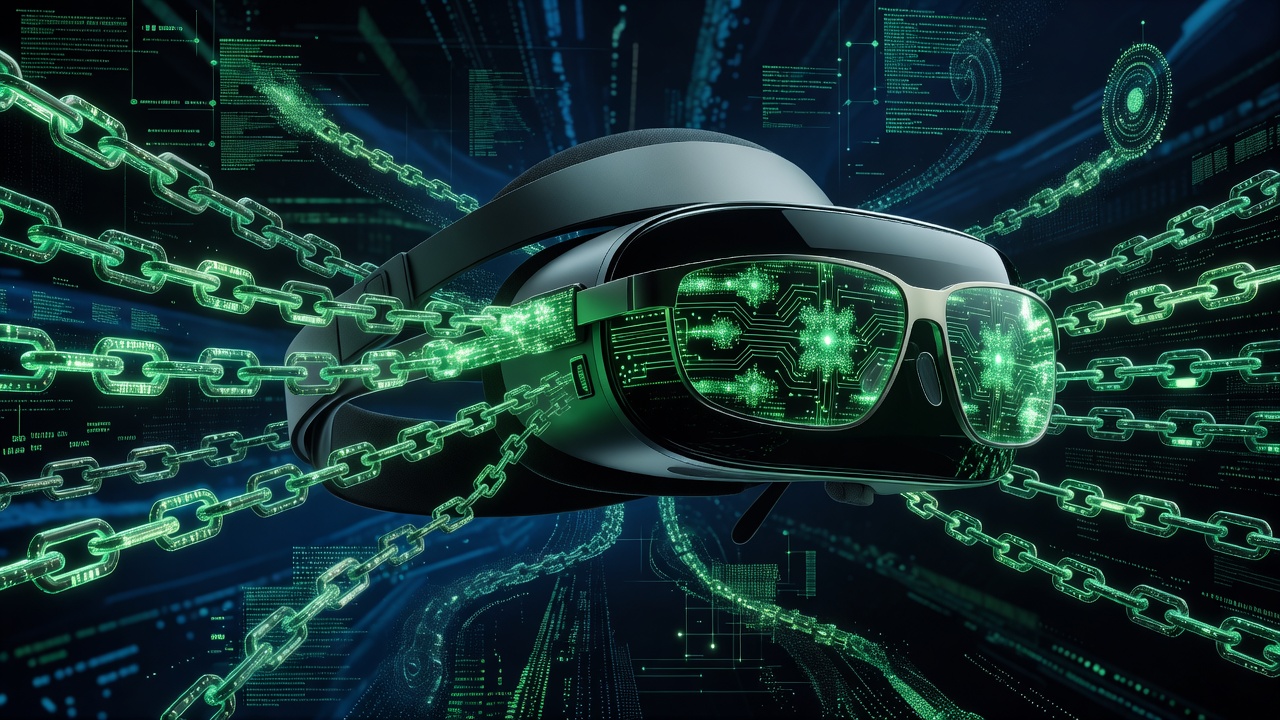
Virtual reality (VR) and augmented reality (AR) are transforming how we interact with digital environments, but traditional systems often struggle with latency, security vulnerabilities, and scalability. By integrating blockchain for decentralized asset management and quantum computing for accelerated processing, these technologies achieve superior performance. This article examines the benefits for developers and businesses, focusing on real-time capabilities and secure ecosystems in gaming and training applications. The convergence creates immersive experiences that feel more responsive, trustworthy, and adaptable than ever before, giving early adopters a clear competitive edge in rapidly evolving markets.
Quantum Computing's Role in Real-Time Rendering
Quantum computing leverages superposition and entanglement to solve complex problems exponentially faster than classical computers. In VR/AR, this translates to near-instantaneous rendering of high-fidelity environments. Traditional GPUs handle ray tracing sequentially, leading to frame drops in complex scenes. Quantum algorithms can optimize these calculations in parallel, enabling seamless 8K experiences even on mobile devices. Developers benefit from reduced computational overhead, allowing more resources for AI-driven interactions. For instance, quantum-inspired optimization can dynamically adjust lighting, physics simulations, and object interactions without compromising visual quality. Businesses gain from lower hardware requirements over time as efficiency improves, making high-end immersive tools accessible to smaller teams and organizations.
Real-time rendering improvements also extend to AR overlays in physical spaces, where quantum processing helps align digital elements with real-world movements at sub-millisecond speeds. This level of precision reduces motion sickness and increases user immersion, critical factors for prolonged training sessions or entertainment experiences.
Blockchain Security for Digital Assets
Blockchain provides immutable ledgers for ownership verification of virtual items, avatars, and data. In VR/AR ecosystems, this prevents fraud like duplicate assets or unauthorized access. Smart contracts automate transactions, ensuring transparent royalties for creators. Unlike centralized servers prone to hacks, decentralized networks distribute data across nodes. This approach aligns with IBM's quantum and blockchain research initiatives, offering robust protection for enterprise training simulations. Additionally, integration with Ethereum protocols allows standardized token systems that facilitate cross-platform asset portability.
Security benefits extend beyond ownership to data integrity. Training modules containing sensitive operational procedures can be verified on-chain, ensuring that every participant accesses authentic, unaltered content. This is particularly valuable in regulated industries where audit trails are mandatory.
Synergies Between Quantum Computing, Blockchain, and Immersive Tech
The true power emerges when these technologies work together. Quantum computing accelerates the cryptographic processes that underpin blockchain, potentially enabling faster consensus mechanisms without sacrificing security. Meanwhile, blockchain can manage access rights to quantum resources in shared VR/AR environments, creating fair usage models. This synergy results in platforms that are both lightning-fast and inherently secure, addressing two of the biggest barriers to widespread adoption of immersive technologies.
Side-by-Side Feature Comparison
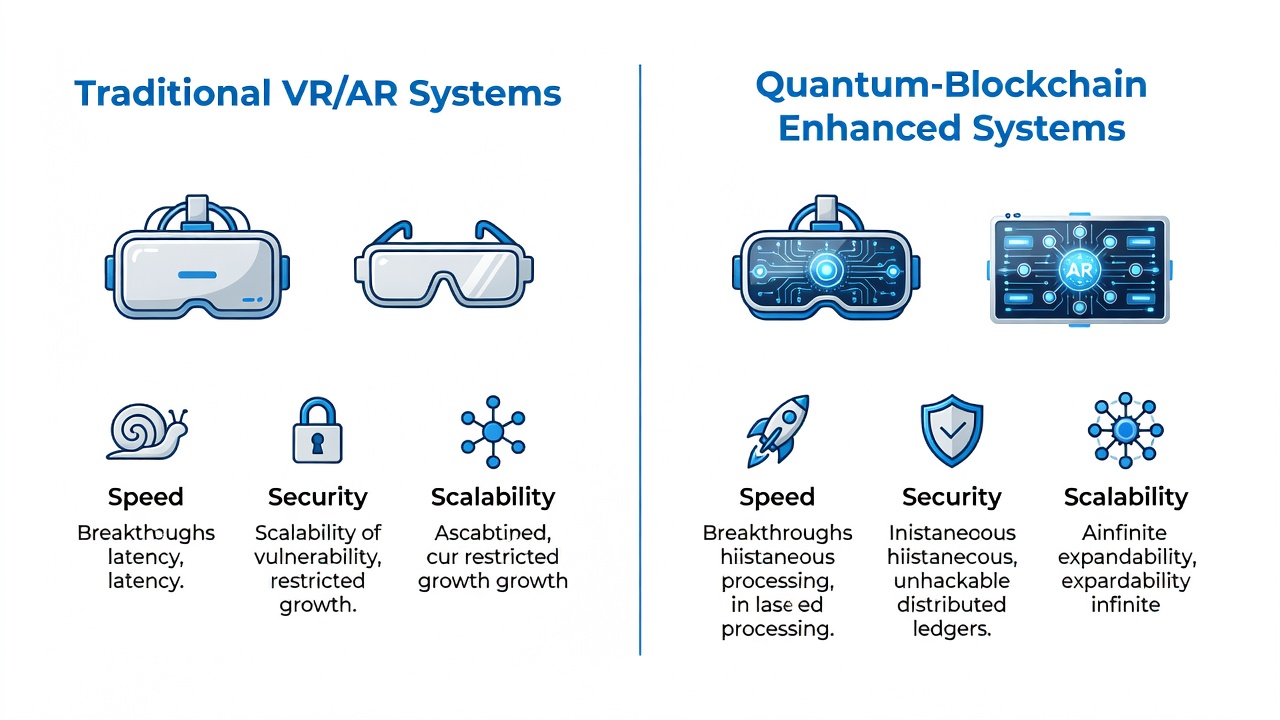
- Rendering Speed: Traditional systems typically achieve 30-60 FPS under heavy load with noticeable lag during complex interactions, while quantum-enhanced setups maintain 120+ FPS consistently, supporting intricate physics and photorealistic visuals.
- Asset Security: Centralized databases remain vulnerable to single-point breaches and data tampering, whereas blockchain delivers decentralized, tamper-proof ownership records that persist across network changes.
- Scalability: Server-limited traditional platforms struggle beyond a few thousand concurrent users, but quantum-plus-blockchain architectures leverage distributed nodes and parallel processing to support millions without performance degradation.
- Interoperability: Siloed traditional environments restrict assets to single platforms, while integrated solutions enable seamless cross-metaverse transfers through standardized tokens and protocols.
- Cost Efficiency: Ongoing server fees and hardware upgrades burden traditional setups, but optimized quantum processing and peer-to-peer blockchain models reduce long-term operational expenses through efficiency gains.
- User Trust and Transparency: Opaque traditional systems offer limited visibility into data handling, compared to transparent blockchain audit trails that build confidence among users and stakeholders.
Practical Integration Examples in Gaming and Training
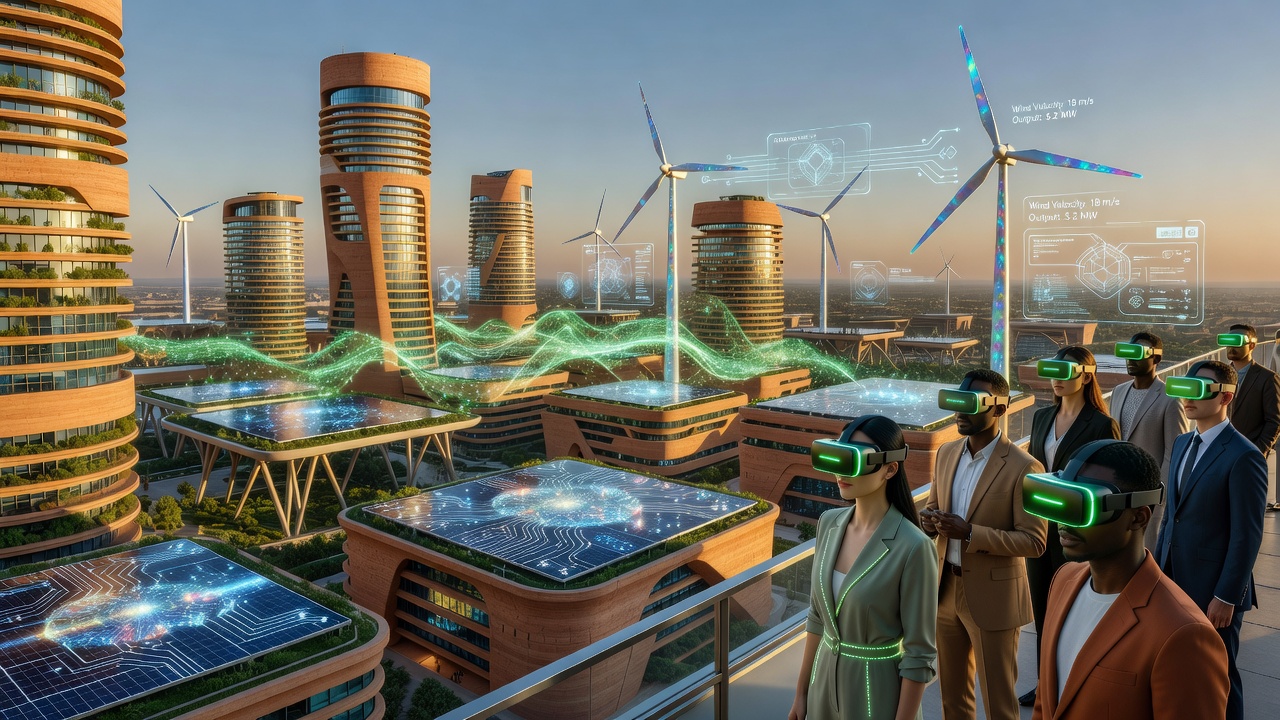
In gaming, blockchain-powered metaverses already use quantum-accelerated engines for persistent worlds where players trade NFTs securely and experience dynamic environments that evolve in real time. A popular example involves virtual land ownership verified on-chain with quantum-rendered landscapes that update instantly based on collective user actions. Training sectors such as aviation and healthcare employ AR overlays verified on-chain for accurate, auditable simulations. A manufacturing firm might overlay quantum-rendered machinery models onto factory floors while logging maintenance data immutably, reducing errors and ensuring compliance. Educational institutions are piloting similar systems for medical students practicing procedures in shared virtual operating rooms with tamper-proof performance records.
Steps for Initial Adoption
- Assess current VR/AR infrastructure and identify bottlenecks in rendering or asset management through detailed performance audits and user feedback sessions.
- Partner with quantum cloud providers for hybrid classical-quantum testing environments, starting with simulation tools that mimic quantum advantages before full hardware access.
- Implement blockchain protocols like Ethereum or specialized chains for asset tokenization, beginning with pilot projects that tokenize simple virtual items before expanding to complex economies.
- Develop prototypes focusing on one use case, such as secure virtual training modules, incorporating iterative testing cycles with real end-users to refine interactions.
- Measure performance metrics including latency, security incidents, and engagement levels, then iterate based on data before scaling to full organizational deployment.
- Establish cross-functional teams including developers, security experts, and domain specialists to ensure holistic integration and ongoing maintenance.
Challenges and Mitigation Strategies
Early adopters must navigate quantum hardware instability and blockchain transaction latency. Mitigation involves hybrid classical-quantum workflows and layer-2 scaling solutions on blockchain networks. Regular security audits and gradual rollout phases help minimize risks while building internal expertise.
FAQs on Scalability and Cost Considerations
How scalable are these integrated systems?
Quantum networks are still maturing but show promise for handling enterprise-scale loads through modular architectures. Early adopters report stable performance in pilot projects involving thousands of users, with roadmaps pointing toward broader accessibility within the next few years.
What are the main cost factors?
Initial setup involves specialized hardware access and development time, but long-term savings arise from efficiency gains and reduced infrastructure needs. Focus on open-source tools and phased implementation to control expenses effectively.
Are there risks with early adoption?
Quantum error correction remains a challenge, so hybrid approaches are recommended. Security audits for blockchain components help mitigate vulnerabilities, and staying updated with standards from organizations like NIST ensures compliance.
How does this impact developer workflows?
Developers gain new toolkits that abstract complex quantum and blockchain operations, allowing focus on creative content rather than low-level infrastructure management.
Conclusion
Combining VR/AR with blockchain and quantum computing positions organizations at the forefront of immersive innovation. By prioritizing these integrations, developers and businesses can unlock unprecedented performance, security, and opportunities in gaming, training, and beyond. Start small, test rigorously, and scale strategically to capture the future tech edge.

No comments yet. Be the first!