 NeoBit Daily
Introduction: The New Era of Travel Technology in 2026
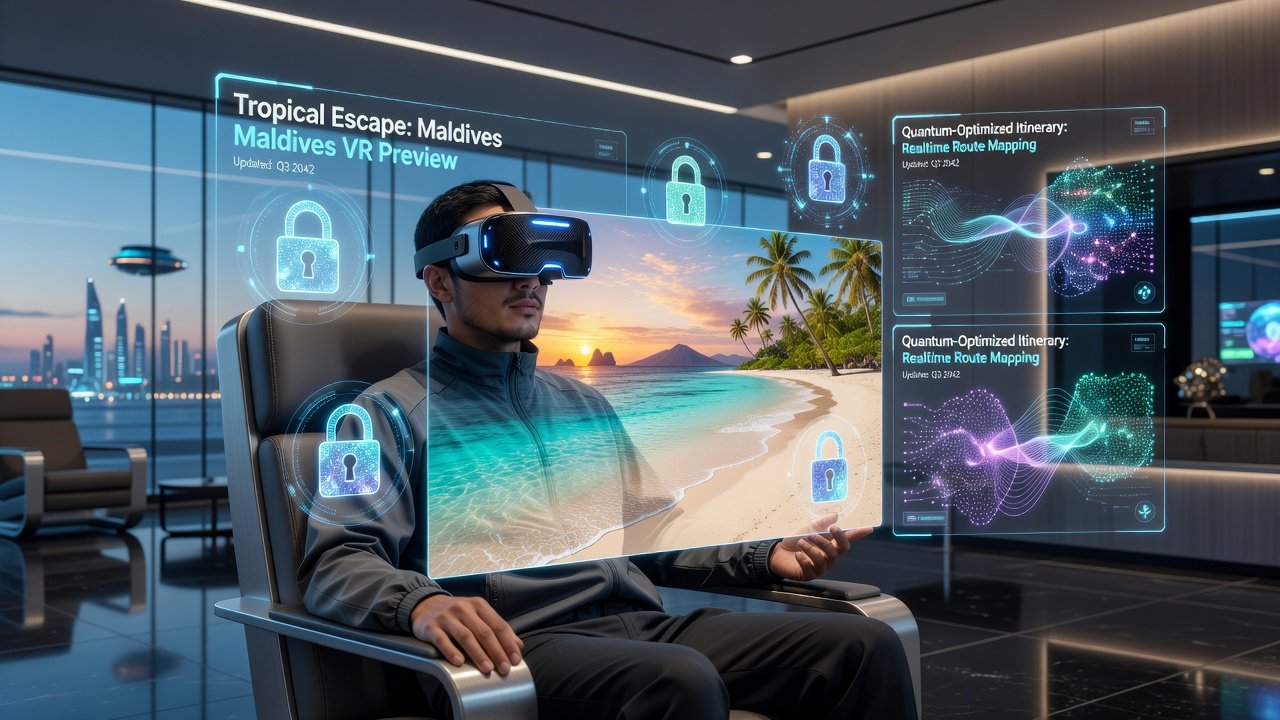
Travelers and tech enthusiasts in 2026 are witnessing a profound shift as emerging technologies redefine how we explore the world. VR and AR deliver immersive previews of destinations, blockchain ensures secure and transparent bookings plus loyalty programs, and quantum computing powers advanced routing and hyper-personalized experiences. This guide focuses on practical applications in tourism, offering step-by-step advice, comparisons, and real-world cases from airlines and hotels to help you integrate these tools effectively into your planning process.
The search for future-ready travel solutions often highlights the need for actionable insights rather than hype. By understanding these technologies, you can plan trips more efficiently, reduce uncertainty, and enjoy seamless experiences from booking to arrival. In 2026, adoption is accelerating as hardware becomes more affordable and software integrations mature, allowing everyday travelers to benefit without needing specialized expertise. This article dives deep into each technology, providing concrete examples and decision-useful details so you can start experimenting immediately.
How VR and AR Create Immersive Destination Previews
Virtual reality lets you step inside a destination before booking a flight or hotel. Augmented reality overlays digital information on the real world via your smartphone or glasses. In 2026, these tools help travelers visualize accommodations, attractions, and even cultural experiences with high fidelity, moving beyond simple 360 videos to interactive simulations that include weather conditions, crowd levels, and seasonal variations.
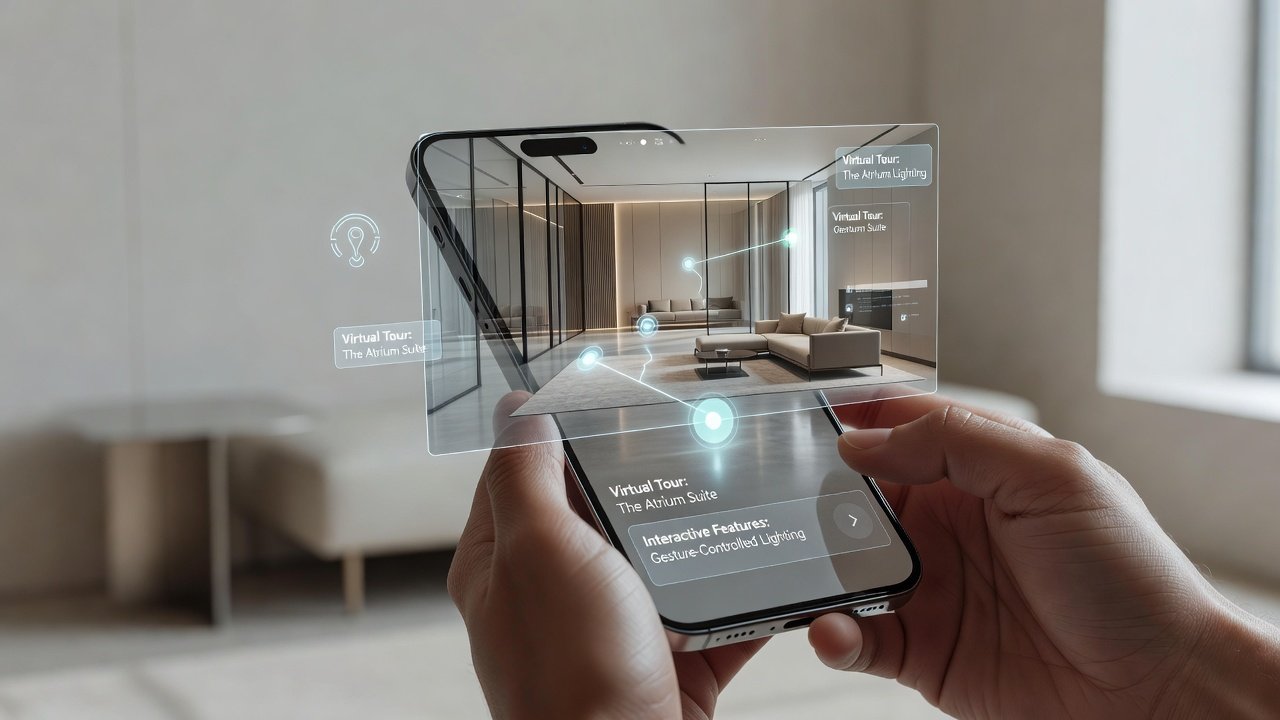
Airlines like those partnered with major tech providers now offer VR cabin tours, while hotels use AR to let guests preview room layouts and amenities. This reduces uncertainty and boosts booking confidence. For instance, major hotel groups integrate AR filters that show how natural light changes throughout the day in specific rooms, helping families choose accommodations that suit their needs perfectly. VR experiences can also simulate local transportation options, giving users a feel for navigating public transit or walking distances between attractions.
Practical Benefits for Trip Planning
- Preview hotel rooms in 360 degrees to match your preferences for bed size, view, and accessibility features.
- AR apps overlay historical facts on landmarks during virtual scouting, enriching cultural understanding before arrival.
- Reduce travel anxiety by simulating airport navigation, including security lines and gate locations in real time.
- Compare multiple destinations side-by-side in virtual environments to prioritize based on personal interests like adventure or relaxation.
Blockchain Securing Bookings and Loyalty Programs
Blockchain technology creates tamper-proof records for reservations and rewards points. This prevents fraud and enables seamless transfers of loyalty benefits across providers. Travelers benefit from verifiable ownership of tickets and instant verification at check-in, eliminating the common issues of lost confirmations or disputed claims.
Examples include hotel chains using blockchain for tokenized loyalty points that can be traded or redeemed across ecosystems. Airlines explore it for secure baggage tracking and passenger identity management, reducing lost luggage incidents and streamlining boarding. The decentralized nature means no single company controls your data, increasing trust and allowing for faster dispute resolution through smart contracts that automatically execute when conditions are met.
Learn more at IATA and UNWTO for industry standards on secure travel protocols.
Quantum Computing Optimizing Routing and Personalization
Quantum computers solve complex optimization problems far faster than classical systems. In tourism, this means real-time flight routing that accounts for weather, traffic, and passenger preferences simultaneously. Personalization reaches new levels as algorithms process vast datasets to suggest unique itineraries tailored to dietary restrictions, activity levels, and even sustainability goals.
Quantum-inspired solutions already appear in travel platforms, with full quantum integration expected to mature by late 2026. This leads to fewer delays and more sustainable travel choices through efficient resource allocation. For example, quantum optimization can balance airline schedules to minimize carbon emissions while maximizing on-time performance, giving eco-conscious travelers better options without extra effort on their part.
Explore foundational resources at IBM.
Real-World Examples from Airlines and Hotels
Leading airlines deploy AR wayfinding apps in terminals to guide passengers efficiently, reducing missed flights. Select hotel groups offer VR property tours integrated with booking systems, allowing instant virtual walkthroughs before payment. Blockchain pilots in loyalty programs allow cross-brand redemptions without intermediaries, while quantum algorithms are tested for dynamic pricing and crew scheduling, delivering measurable efficiency gains across the industry.
Step-by-Step Guide to Using These Tools for Trip Planning
- Start with VR apps from major booking sites to preview top destinations and narrow choices based on immersive feedback.
- Use AR-enabled maps on your phone to scout local attractions, saving time on-site by pre-identifying must-see spots.
- Book via blockchain-supported platforms for secure transactions and automatic smart contract confirmations.
- Input preferences into quantum-optimized planners for route suggestions that factor in real-time variables like weather patterns.
- Track loyalty rewards on blockchain wallets for easy management and instant transfers between programs.
- Review final itineraries with AR simulations before confirming to catch any overlooked details like accessibility barriers.
Comparisons of Current vs. Emerging Solutions
Traditional booking relies on centralized databases prone to outages and data breaches. Emerging blockchain versions offer decentralization and transparency, making records nearly impossible to alter fraudulently. Current VR is often limited to dedicated headsets with limited content libraries, while 2026 AR integrates with everyday devices for on-the-go use. Quantum optimization surpasses classical computing in handling multi-variable travel scenarios, leading to superior personalization compared to rule-based systems used today that often overlook nuanced traveler needs.
Potential Challenges and How to Overcome Them
Adoption barriers include device compatibility and learning curves. Start with free smartphone AR apps to build familiarity before investing in VR hardware. Privacy concerns with blockchain can be addressed by choosing platforms with user-controlled data sharing. Quantum tools may initially require partnerships with specialized providers, so look for integrated solutions in mainstream travel apps that hide the underlying complexity.
FAQ: Addressing Adoption Barriers
Is VR travel tech accessible without expensive hardware?
Many solutions now work via smartphones or affordable headsets, lowering entry barriers significantly while still delivering high-quality previews.
How does blockchain protect my personal data in bookings?
It uses encryption and distributed ledgers to minimize single points of failure while giving users control over shared information through private keys.
Will quantum computing replace human travel agents?
No, it augments their capabilities by handling complex calculations, allowing agents to focus on creative and empathetic service tailored to individual stories.
What are the main hurdles to widespread adoption?
Interoperability between systems, regulatory frameworks, and user education remain key challenges, though progress accelerates in 2026 with industry-wide standards emerging.
Can these technologies work together in one trip?
Yes, many platforms combine VR previews with blockchain bookings and quantum routing for end-to-end optimization, creating seamless journeys.
Conclusion
Embracing VR, AR, blockchain, and quantum technologies positions travelers for more informed, secure, and efficient journeys in 2026. Apply the steps outlined here to transform your next trip planning process and stay ahead of the curve while enjoying richer, safer travel experiences overall.
No comments yet. Be the first!