 NeoBit Daily
Introduction: Embracing Emerging Tech in 2026 Film Production
Filmmakers in 2026 face an exciting landscape where virtual reality (VR), augmented reality (AR), blockchain, and quantum computing converge to transform creative workflows. This guide explores actionable integration strategies for creators seeking innovative tools beyond basic overviews. From building secure virtual sets to simulating complex visual effects, these technologies enable more efficient, collaborative, and secure productions. The search for practical adoption paths drives this deep dive, focusing on real integration examples that help independent creators and large studios alike navigate 2026's tech ecosystem without relying on outdated methods.
Leveraging VR and AR for Immersive Virtual Sets
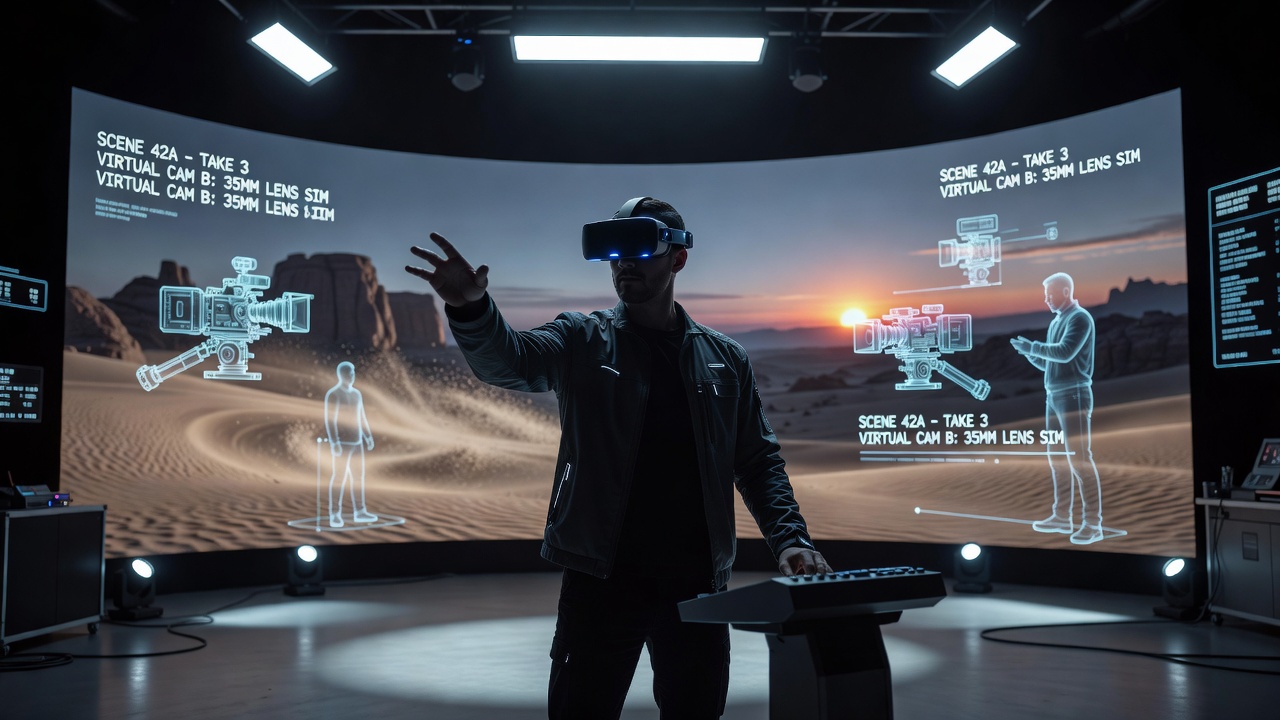
VR and AR allow directors to visualize and interact with sets in real time before physical construction begins. In 2026, tools like advanced game engines integrate seamlessly with camera systems for previsualization. Start by importing 3D models into a VR environment, then use AR overlays on location to align digital elements with real-world footage. This approach reduces physical set costs while opening new narrative possibilities through dynamic environments that respond to actor movements.
Practical steps include: 1) Select a compatible VR headset and software platform that supports film-specific plugins. 2) Collaborate with 3D artists to build detailed assets optimized for real-time rendering. 3) Test lighting, camera movements, and blocking in virtual space to catch issues early. 4) Export data directly to editing suites for continuity and iterate based on feedback loops. 5) Incorporate motion capture suits for live actor integration during rehearsals.
Comparisons show that VR excels in full immersion for set design reviews with stakeholders, while AR offers on-set flexibility without requiring full headsets for every crew member. A notable case study involves a major studio using AR for real-time set extensions during a sci-fi feature, reducing reshoots by enabling instant adjustments on location. Another example comes from an indie production that combined VR scouting with AR props to prototype an entire historical drama sequence, allowing the director to experiment with camera angles in hours rather than days.
Securing Productions with Blockchain Ledgers
Blockchain technology provides immutable records for intellectual property, contracts, and asset tracking in film. Creators can log every version of a script or visual effect on a distributed ledger to prevent disputes and ensure provenance. Integration begins with choosing a film-specific blockchain platform, then tokenizing assets for transparent ownership verification across global teams.
Step-by-step example: Connect your production management software to a blockchain API, record metadata at each workflow stage including timestamps and contributor details, and use smart contracts for automated royalty distributions upon release. This approach proved invaluable in an independent film's distribution deal, where blockchain verified chain-of-custody for visual effects files and prevented unauthorized leaks during international sales negotiations.
Additional benefits include streamlined rights management for music and stock footage, where each license is recorded permanently. Teams can query the ledger for audit trails during post-production handoffs, minimizing legal risks in collaborative projects involving multiple vendors.
IBM offers enterprise blockchain solutions adaptable to media workflows, while NVIDIA supports related rendering technologies that complement secure asset pipelines.
Quantum Computing for Advanced Post-Production Simulations
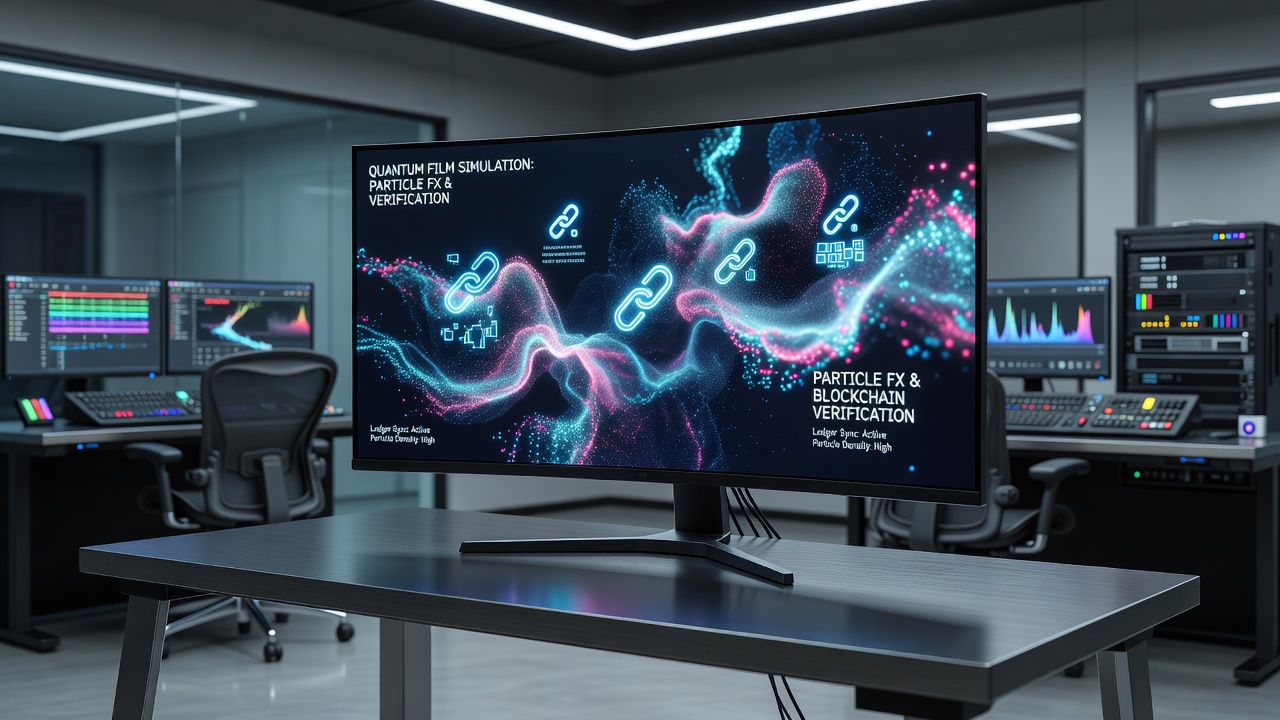
Quantum simulations accelerate complex effects like fluid dynamics, particle systems, and crowd behaviors that overwhelm classical computers. In 2026, hybrid quantum-classical systems allow post houses to run optimized algorithms for rendering without building dedicated quantum hardware on-site. Begin by partnering with quantum cloud providers, then map traditional effects pipelines to quantum-accelerated modules through specialized software bridges.
Real-world application: A visual effects team used quantum-inspired optimization for crowd simulations in an epic battle sequence, cutting render times significantly compared to GPU clusters alone. Another studio applied quantum methods to enhance lighting calculations in a fantasy film, achieving more realistic subsurface scattering on digital characters. Tips for adoption include starting with pilot projects on non-critical shots, training teams on quantum basics through online resources, and gradually scaling to full sequences as familiarity grows.
Further exploration reveals that quantum approaches shine in optimization problems such as path tracing and denoising, where probabilistic models outperform conventional methods. Filmmakers should evaluate cloud access tiers to match project scale, ensuring data security aligns with blockchain protections already in place.
Tool Comparisons and Integration Roadmap
Key platforms differ in strengths: VR-focused tools prioritize real-time interaction and haptic feedback, blockchain solutions emphasize security and traceability, and quantum access remains primarily cloud-based for most studios due to hardware accessibility. A recommended roadmap starts with VR/AR pilots in pre-production, adds blockchain for asset management mid-project, and incorporates quantum elements in final post stages for maximum efficiency.
- Assess current hardware compatibility first, including graphics cards and network infrastructure.
- Budget for training and pilot testing across departments to identify bottlenecks early.
- Evaluate open standards to avoid vendor lock-in and ensure future interoperability.
- Monitor industry reports for 2026 updates on accessibility and new hybrid tools.
- Establish cross-functional teams combining artists, engineers, and legal experts for holistic implementation.
Case Studies and Implementation Tips
Independent creators have successfully combined these technologies on modest budgets by using open-source VR tools alongside permissioned blockchain networks for asset tracking. One European short film project integrated AR scouting, blockchain-verified contracts, and early quantum rendering trials to complete post-production ahead of schedule. Large studios have reported similar gains in large-scale productions involving international crews.
Avoid common pitfalls like over-investing in unproven quantum hardware—opt instead for simulation services. Future-proof your workflow by staying informed through organizations advancing digital media standards and participating in industry workshops focused on 2026 tech convergence.
FAQ on Future Tech Adoption
How do costs compare across technologies? Entry points vary widely, with VR setups offering the most accessible starting point for most teams while quantum services scale based on usage. What training is required? Cross-disciplinary skills in 3D modeling, basic cryptography, and data science help bridge gaps between creative and technical roles. Can small productions benefit? Yes, through scalable cloud services that grow with project needs and allow phased rollouts without massive upfront commitments. How long does integration typically take? Most teams report functional prototypes within four to six weeks when following structured roadmaps.
Conclusion
By strategically adopting VR, AR, blockchain, and quantum tools in 2026, filmmakers unlock unprecedented creative and operational advantages. Focus on phased implementation, continuous learning, and collaborative testing to maximize impact while managing risks effectively and staying ahead of industry evolution.


No comments yet. Be the first!