 NeoBit Daily
Introduction to DAOs in Immersive VR and AR Environments
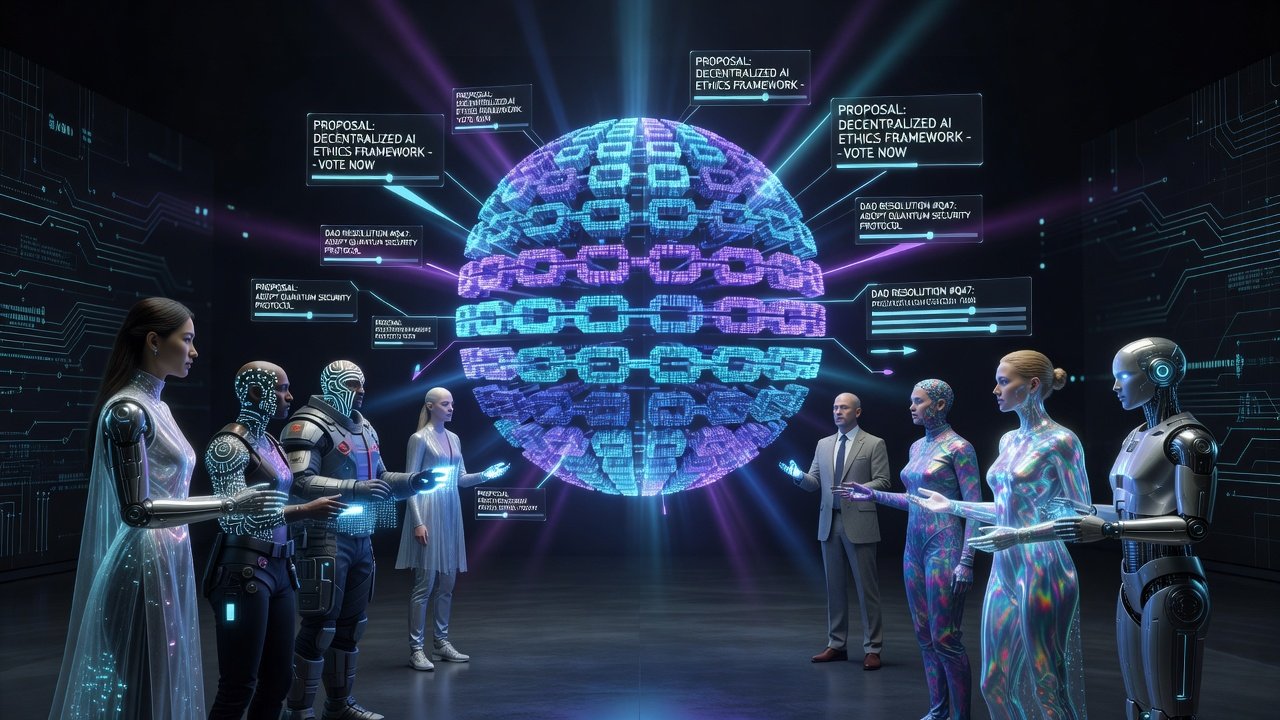
In 2026, decentralized autonomous organizations (DAOs) are evolving beyond traditional web interfaces into fully immersive virtual and augmented reality spaces. This shift enables participants to engage in governance through spatial interactions, 3D voting mechanisms, and real-time collaborative decision-making. Quantum-secured blockchain protocols address emerging threats from quantum computing, ensuring long-term security for virtual land ownership, treasury management, and proposal execution. Developers and enterprise teams now face the challenge of blending immersive technologies with robust decentralized systems to create environments where avatars can propose, debate, and vote on initiatives as naturally as they navigate virtual worlds.
The convergence of VR/AR hardware advancements, improved network speeds, and post-quantum cryptography has made these immersive DAOs practical. Teams must navigate choices around consensus algorithms, integration tools, and security frameworks while ensuring accessibility across devices. This comprehensive guide explores quantum-resistant consensus mechanisms, detailed step-by-step integration workflows, real-world case examples from virtual land DAOs, performance comparisons of current toolkits, common security pitfalls with mitigation strategies, enterprise adoption approaches, and answers to frequently asked questions about scalability and regulation.
Selecting Quantum-Resistant Consensus Mechanisms
Quantum computing poses significant risks to classical cryptographic methods like ECDSA, which could be broken by future quantum algorithms such as Shor's. In 2026, leading DAOs prioritize post-quantum cryptography (PQC) standards to future-proof their governance systems. NIST-recommended algorithms such as CRYSTALS-Kyber for key encapsulation and CRYSTALS-Dilithium for digital signatures form the foundation for many quantum-secured chains. These lattice-based approaches provide strong security against both classical and quantum attacks while maintaining reasonable computational overhead.
When selecting a mechanism, consider factors like signature size, verification speed, and compatibility with spatial rendering engines. Key options include lattice-based signatures ideal for transaction validation during live VR voting sessions, hash-based schemes like SPHINCS+ suited for long-term archival of governance records where immutability is paramount, and hybrid models that combine classical and PQC methods during gradual transition periods to minimize disruption. Enterprise teams should also evaluate latency impacts in AR overlays, as heavier PQC signatures can increase render times during live meetings, potentially affecting user experience in fast-paced virtual environments. Testing across multiple hardware configurations helps identify the optimal balance between security and performance.
Step-by-Step Integration Workflows
Building a DAO in VR/AR requires careful orchestration of blockchain nodes, spatial engines, and identity layers. A structured workflow ensures smooth deployment and ongoing management. Follow these detailed steps for successful integration:
- Choose a quantum-resistant base layer such as a modified Ethereum mainnet fork or a specialized Layer-1 chain with native PQC support. Evaluate factors including block time, gas costs, and developer tooling availability.
- Integrate spatial SDKs like Unity or Unreal Engine with wallet connectors that support post-quantum keys. This involves mapping cryptographic operations to avatar interactions and ensuring seamless key generation within the virtual space.
- Implement 3D proposal interfaces where avatars cast votes via gesture recognition or voice commands. Design intuitive UI elements that reduce cognitive load while maintaining cryptographic integrity.
- Deploy smart contracts hardened against quantum attacks using audited PQC libraries. Include fallback mechanisms for emergency upgrades if new vulnerabilities emerge.
- Test interoperability between VR headsets, AR glasses, and mobile devices for inclusive participation. Conduct load testing with simulated user groups to verify real-time synchronization.
- Monitor and iterate by collecting feedback from early DAO members and updating protocols based on usage patterns in immersive settings.
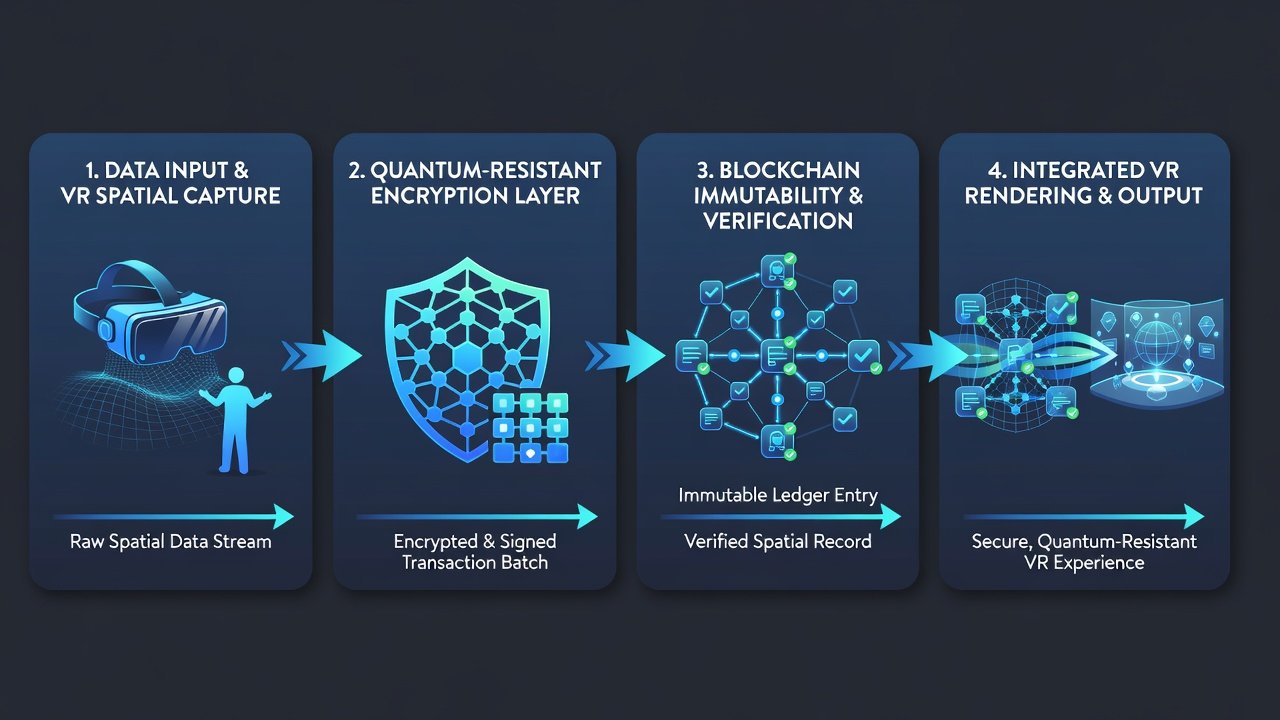
Thorough testing in simulated high-latency environments ensures smooth governance during peak virtual events, such as large-scale land auctions or policy votes. Documentation of each phase helps teams replicate successes across projects.
Real-World Case Examples from Virtual Land DAOs
Several virtual land projects have pioneered DAO governance in immersive spaces, providing valuable lessons. Decentraland's DAO has incorporated VR meeting rooms for proposal discussions, allowing members to explore proposed land developments in 3D before voting. This spatial approach has increased engagement by enabling participants to visualize impacts directly. The Sandbox has experimented with AR overlays for land-use voting, where users scan real-world locations to overlay virtual proposals and cast decisions on the go. Another example involves a consortium of metaverse platforms collaborating on cross-world resource allocation through a shared quantum-secured DAO, demonstrating how interoperability standards can prevent fragmentation. These cases highlight reduced friction in community consensus when participants visualize proposals in three dimensions rather than scrolling through text interfaces, leading to faster decision cycles and higher satisfaction rates.
Performance Comparisons of Current Toolkits
Toolkits vary significantly in 2026, with differences in speed, security features, and ease of VR/AR integration. Quantum-secured frameworks built on Cosmos SDK variants often outperform monolithic chains in VR scenarios due to lower block times and modular architecture that supports custom PQC modules. Developers report better avatar synchronization when pairing spatial engines with chains optimized for PQC, particularly in high-concurrency environments like virtual conferences. In contrast, some Ethereum-based solutions offer stronger ecosystem support but require additional layers for quantum resistance. Benchmarking should always target specific hardware, including standalone headsets versus tethered systems, and account for variables like network conditions and user density. Open-source communities provide ongoing updates that teams can leverage for continuous improvement.
Common Security Pitfalls and Mitigation Tips
Common issues include weak key management in shared VR environments where multiple users access the same hardware, side-channel attacks during spatial authentication processes, and vulnerabilities in third-party SDKs that may not yet support full PQC standards. Additional pitfalls involve inadequate logging of immersive interactions that could expose decision patterns and insufficient redundancy planning for quantum-era disruptions. Mitigation strategies include using hardware security modules with PQC support for key storage, implementing multi-factor biometric verification combined with gesture-based challenges in AR sessions, conducting regular quantum threat modeling workshops with cross-functional teams, and performing penetration testing focused on virtual environment exploits. Regular audits from firms specializing in post-quantum security remain essential for maintaining trust.
Enterprise Implementation Strategies and Mistakes to Avoid
For enterprise teams, begin with pilot projects in controlled virtual environments before scaling. Establish clear governance policies that account for both on-chain rules and off-chain legal implications. Common mistakes include underestimating onboarding complexity for non-technical stakeholders and neglecting device diversity, which can exclude users with older hardware. Avoid rushing deployments without comprehensive simulations, as this often leads to governance deadlocks during critical votes. Instead, prioritize phased rollouts with built-in feedback loops.
Conclusion
DAOs in VR and AR represent the next frontier of decentralized governance. By adopting quantum-resistant protocols and following structured integration processes, teams can create secure, engaging virtual decision-making experiences ready for widespread 2026 adoption. Continued innovation in this space will depend on collaboration between technologists, regulators, and immersive platform providers.
FAQ
How does scalability work for large VR DAO meetings?
Layer-2 solutions with quantum-secured rollups handle thousands of concurrent participants by batching spatial votes off-chain before final settlement on the main chain. This approach maintains low latency even during high-traffic periods while preserving the security guarantees of the underlying PQC protocol.
What are the main challenges in user onboarding?
New users must learn both VR navigation and wallet interactions simultaneously. Guided tutorials embedded in the virtual environment, simplified avatar-based key recovery processes, and progressive disclosure of advanced features improve retention rates significantly across diverse user groups.
Are there regulatory considerations for future adoption?
Global frameworks are still evolving. Teams should monitor developments from bodies like the National Institute of Standards and Technology and consult legal experts on cross-border virtual asset rules. See also guidance from Ethereum Foundation resources on decentralized governance compliance and best practices for emerging technologies.
What hardware requirements are typical for participating in these DAOs?
Participants generally need VR headsets or AR-capable devices with sufficient processing power for real-time rendering and secure key operations. Compatibility testing ensures broad accessibility without compromising on quantum security features.

No comments yet. Be the first!