 NeoBit Daily
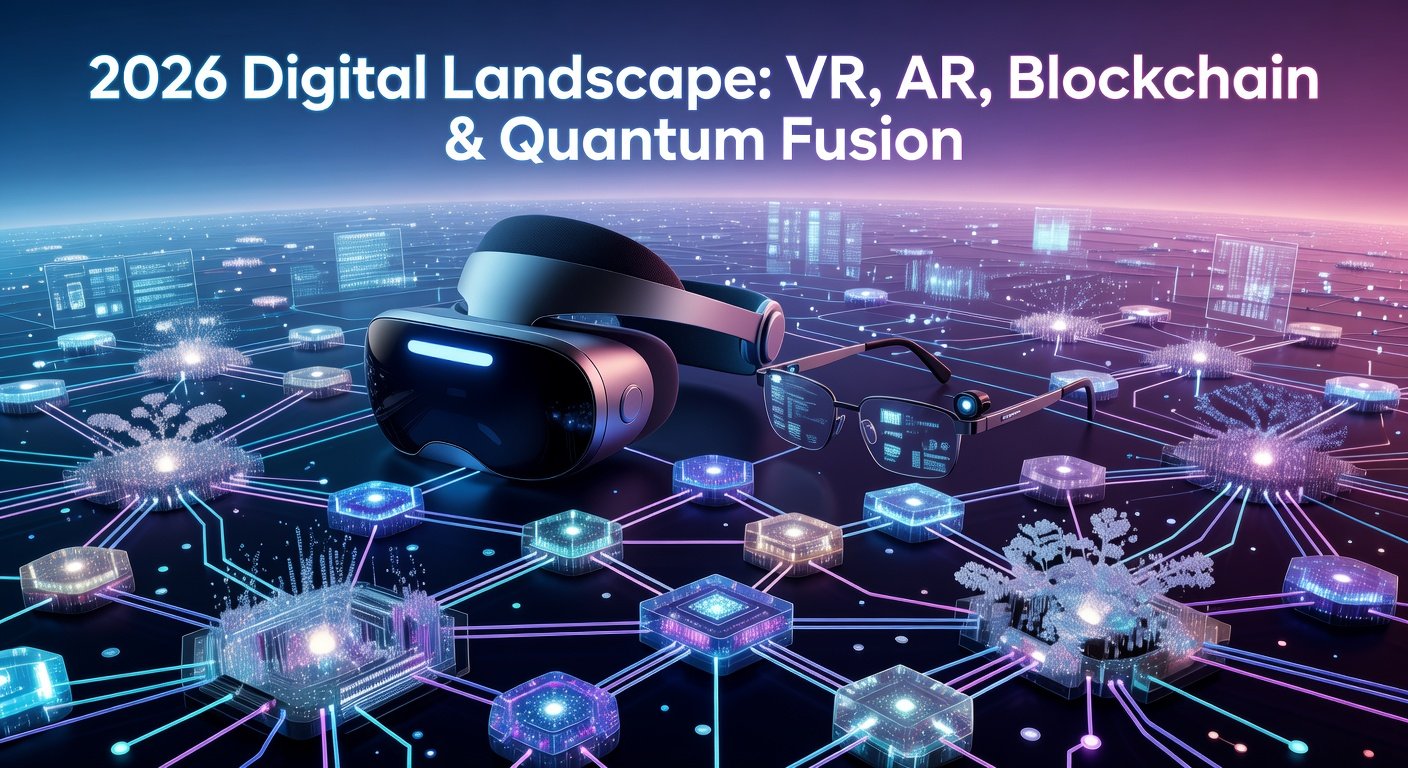
Introduction to Emerging Technologies in 2026
As we progress through 2026, technologies such as virtual reality (VR), augmented reality (AR), blockchain, and quantum computing are rapidly evolving from experimental ideas into practical tools with real-world applications. This beginner guide serves as a comprehensive introduction for newcomers who want to understand how these four areas work individually and where they are beginning to intersect. The year 2026 marks an important milestone because hardware improvements, software accessibility, and early commercial pilots are making these technologies more approachable than ever before. Whether you are a student exploring career options, a professional seeking to future-proof your skills, or simply someone fascinated by innovation, this resource breaks down complex concepts into digestible explanations while offering concrete next steps.
The convergence of these technologies promises to reshape industries ranging from entertainment and education to finance and healthcare. By the end of this guide you will have a clear picture of each technology, examples of early integrations already happening, and a roadmap for safe and effective exploration.
Understanding VR and AR Basics
Virtual reality creates fully immersive digital worlds that replace the user’s physical surroundings. Modern VR headsets track head and hand movements with high precision, allowing natural interaction within simulated environments. Augmented reality, on the other hand, layers digital objects onto the real world, usually experienced through smartphone cameras or lightweight smart glasses. In 2026 both technologies benefit from lighter hardware, longer battery life, and more intuitive interfaces that reduce the learning curve for new users.
Key Differences and Practical Use Cases
VR is particularly powerful for training simulations in aviation, medicine, and manufacturing because it lets users practice high-risk procedures without real-world consequences. AR excels in retail, where customers can visualize furniture in their homes before purchasing, and in navigation apps that overlay directional arrows on live camera feeds. These differences matter when deciding which technology to explore first as a beginner.
Blockchain Fundamentals
Blockchain technology provides a decentralized and tamper-resistant way to record transactions and data across many computers simultaneously. At its core it replaces the need for central authorities by using cryptographic consensus mechanisms. Beyond cryptocurrencies, blockchain now supports supply-chain transparency, digital identity verification, and automated smart contracts that execute when predefined conditions are met. Beginners should start by understanding the difference between public blockchains open to anyone and private or permissioned networks used by enterprises.
Quantum Computing Explained
Quantum computing leverages the principles of superposition and entanglement to process certain types of problems exponentially faster than classical computers. While still in early stages for most practical applications, cloud-based quantum platforms allow anyone with an internet connection to run experiments on real quantum hardware. Major providers continue to release educational tools that abstract away the underlying physics, making the field accessible to beginners interested in algorithms for optimization, cryptography, and materials science.
How These Technologies Converge in 2026
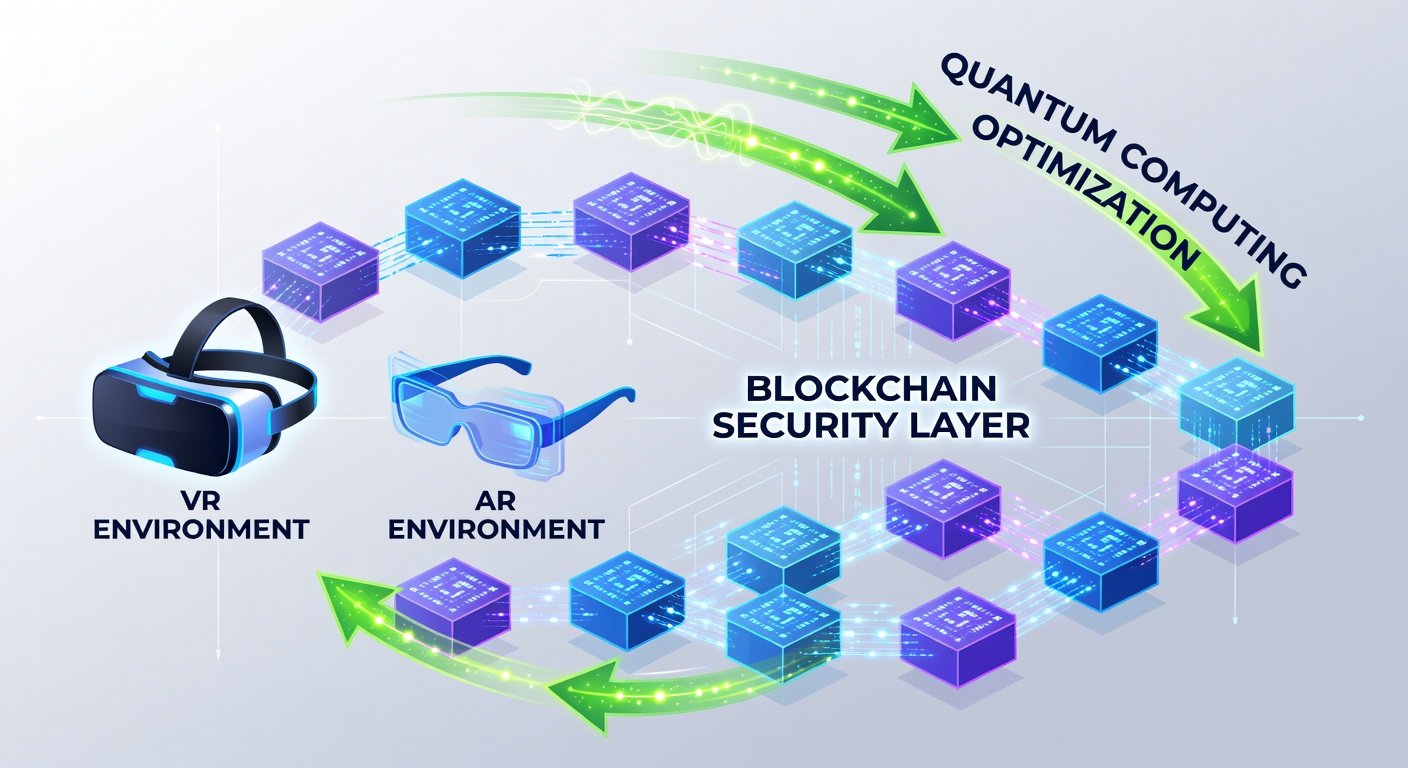
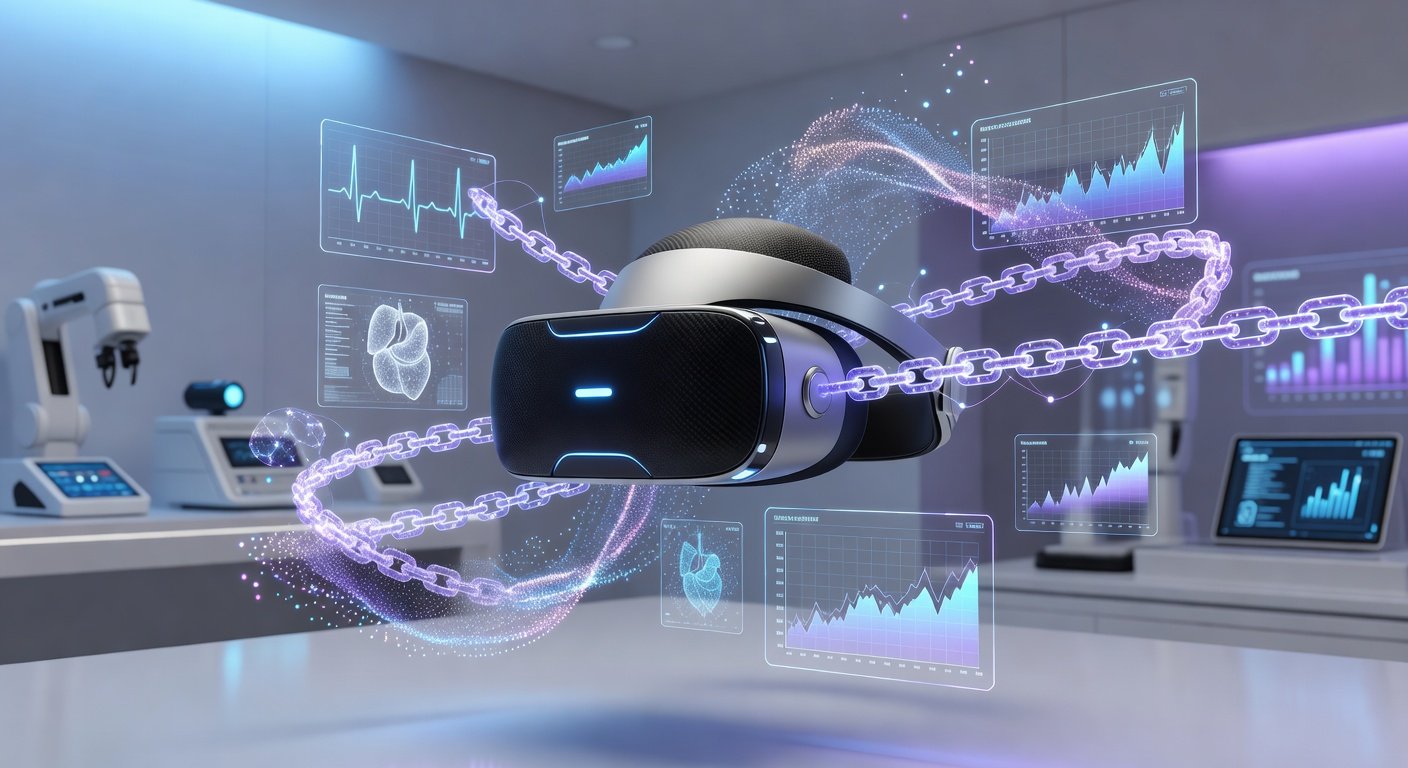
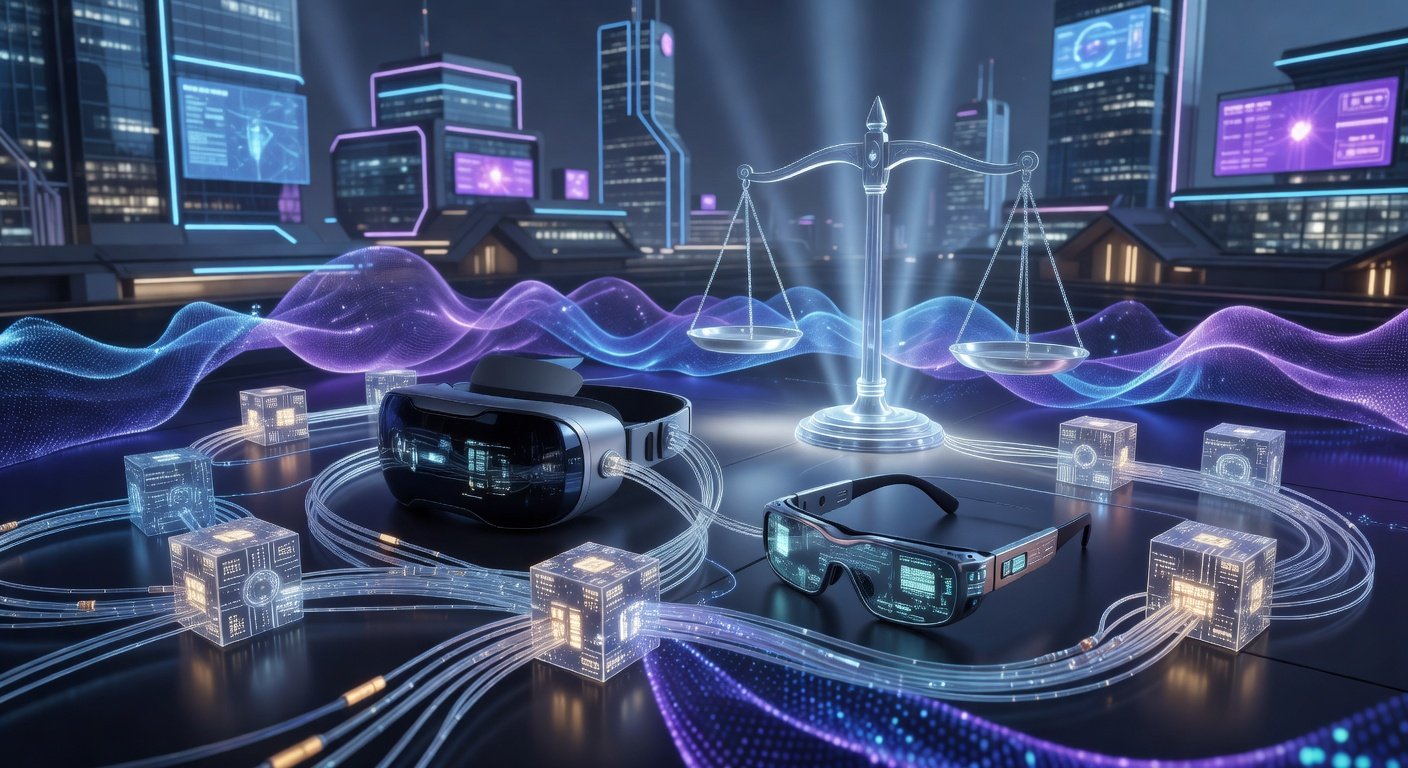
The most exciting developments occur when VR, AR, blockchain, and quantum computing are combined. Blockchain can secure ownership of virtual assets inside VR worlds and AR experiences, ensuring that digital items remain unique and transferable. Quantum computing, meanwhile, offers potential speedups for solving the complex optimization problems that arise in large-scale virtual environments and for strengthening cryptographic methods used in blockchain networks. Early research projects are already testing quantum-resistant encryption to protect future AR and VR platforms against advanced threats.
Real-World Early Integrations
One notable example involves virtual real-estate platforms where users purchase land using blockchain tokens and then build AR-enhanced experiences inside VR headsets. Another integration appears in supply-chain AR applications that use blockchain ledgers to verify product authenticity while quantum algorithms optimize routing decisions. These pilots demonstrate how the technologies complement each other rather than compete.
Benefits Compared to Traditional Methods
Traditional centralized databases and two-dimensional screens limit scalability and user engagement. VR and AR deliver spatial computing that improves retention in training scenarios by up to several times compared with video-based learning. Blockchain removes intermediaries, reducing costs and increasing trust in transactions. Quantum approaches can tackle problems that would take classical supercomputers years to solve, such as molecular modeling for drug discovery. Together these advantages create opportunities for more efficient, transparent, and immersive systems.
Step-by-Step Guide to Getting Started
- Download a free VR or AR application on your existing smartphone to experience immersion without buying hardware immediately.
- Complete an introductory online course covering blockchain basics, focusing on wallet setup and simple token transfers.
- Register for a free cloud quantum computing account and run your first sample circuit using guided tutorials.
- Join moderated online forums and Discord communities where beginners share safe experimentation practices.
- Build a small project such as an AR filter that pulls data from a public blockchain explorer.
- Document your progress in a personal blog or notebook to reinforce learning and track milestones.
Recommended Resources for Beginners
Start with official documentation and tutorials from trusted organizations. Visit IBM for comprehensive quantum computing primers and interactive simulators. The Ethereum Foundation offers clear explanations of blockchain concepts and development tools suitable for newcomers. Additional high-quality materials are available through Meta developer portals focused on VR and AR creation. Supplement these with reputable books and video series that emphasize conceptual understanding before diving into coding.
Common Pitfalls to Avoid
- Purchasing expensive headsets before exploring free mobile options and confirming genuine interest in the technology.
- Storing large amounts of cryptocurrency in wallets without first learning about private-key security and backup procedures.
- Assuming quantum computers will replace everyday laptops in the near term, which leads to unrealistic expectations.
- Ignoring accessibility and inclusivity considerations when designing VR or AR experiences for diverse audiences.
- Overlooking regulatory developments around blockchain applications in different countries.
Frequently Asked Questions
Do I need a powerful computer to experiment with these technologies?
Many entry points exist on standard laptops and smartphones. Cloud services handle heavy processing for quantum and blockchain tasks, while mobile AR apps run smoothly on recent devices.
How long does it take to become proficient?
Most beginners reach a comfortable level of understanding within three to six months of consistent part-time study and hands-on practice. Mastery in any single area naturally takes longer.
Are there safety concerns with VR and AR?
Yes. Users should follow manufacturer guidelines regarding session length to avoid motion sickness and eye strain. Privacy settings should be reviewed carefully when sharing location data in AR applications.
Will quantum computing break current blockchain security?
Researchers are actively developing quantum-resistant algorithms. Most public blockchains are already planning upgrades to remain secure against future quantum threats.
What career opportunities exist at the intersection of these fields?
Roles in spatial computing design, decentralized application development, and quantum algorithm research are growing. Cross-disciplinary knowledge significantly increases employability.
Conclusion
VR, AR, blockchain, and quantum computing represent interconnected pillars of technological progress in 2026. By building foundational knowledge and gradually exploring their combined potential, beginners can position themselves to contribute meaningfully to this evolving landscape. Approach each technology with patience, prioritize reputable learning sources, and experiment responsibly. The future belongs to those who understand not only individual innovations but also how they converge to create entirely new possibilities.
No comments yet. Be the first!