 NeoBit Daily
Introduction: The Rising Threat to Data Privacy in 2026
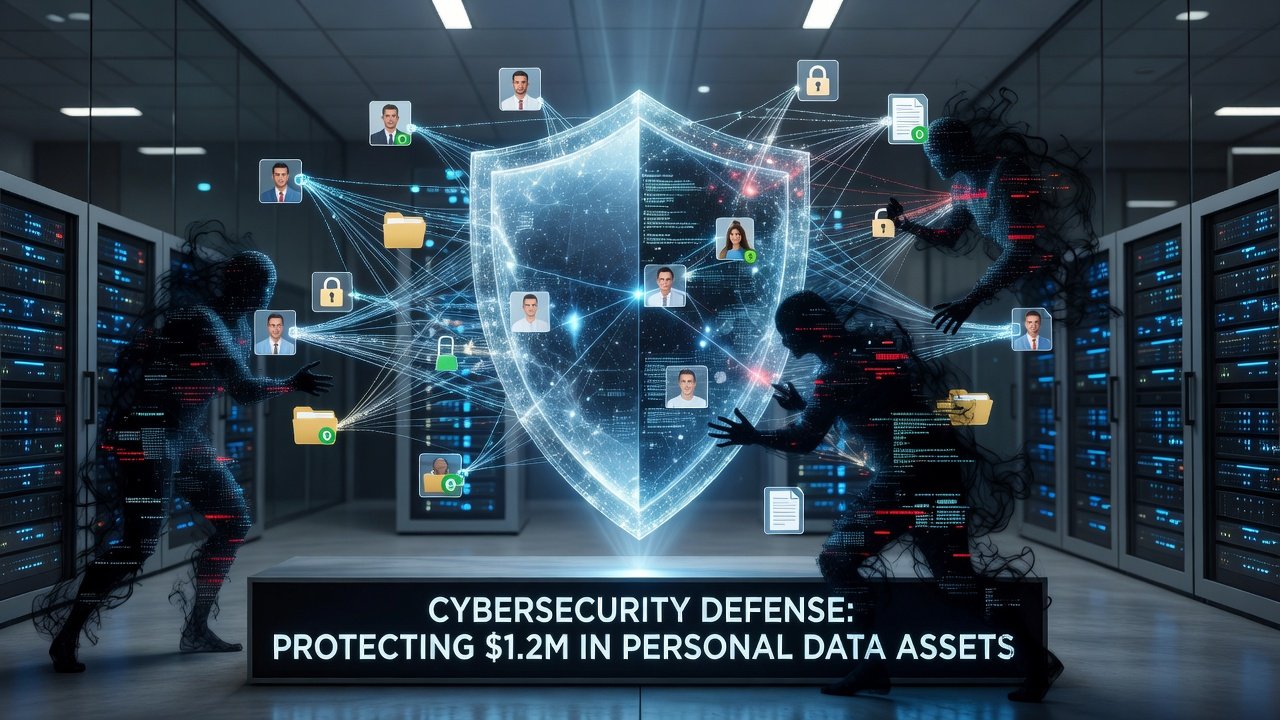
As organizations increasingly rely on digital systems, human-centric attacks remain the weakest link in cybersecurity. In 2026, AI-enhanced social engineering tactics are evolving rapidly to exploit psychology and bypass technical controls. This guide provides actionable strategies to protect data privacy against these sophisticated threats. Attackers are leveraging machine learning algorithms to analyze social media footprints, email patterns, and even voice samples in real time, creating highly convincing scenarios that trick even trained professionals.
Traditional defenses like firewalls and antivirus software are insufficient alone. Attackers now leverage generative AI for highly personalized campaigns that adapt dynamically during interactions. Understanding these shifts is essential for robust data privacy frameworks. Organizations must shift from reactive measures to proactive, human-focused training that builds psychological resilience.
Understanding AI-Enhanced Social Engineering Tactics
AI allows attackers to analyze vast datasets for hyper-targeted manipulation. Tactics include voice synthesis for vishing and generative models for realistic pretexts. These methods often succeed where older techniques fail by adapting in real time to victim responses, making each attempt more persuasive than the last.
Advanced Vishing Tactics
Vishing, or voice phishing, has advanced with AI voice cloning. Attackers create convincing impersonations of executives or support staff using just seconds of audio scraped from public sources. Victims may disclose credentials or transfer funds under pressure. For example, a cloned voice might reference a recent company event pulled from LinkedIn posts, adding layers of credibility that make refusal difficult. Employees in finance or HR are particularly vulnerable because they handle sensitive transactions daily.
Pretexting Campaigns
Pretexting involves creating fabricated scenarios to gain trust. AI tools now generate detailed backstories and maintain consistent narratives across multiple interactions, making detection harder for employees. A typical campaign might involve an attacker posing as a vendor requesting urgent data access while referencing specific project names obtained from public filings. Over several days, the story builds through follow-up calls and emails, gradually eroding skepticism.
Deepfake-Assisted Manipulation
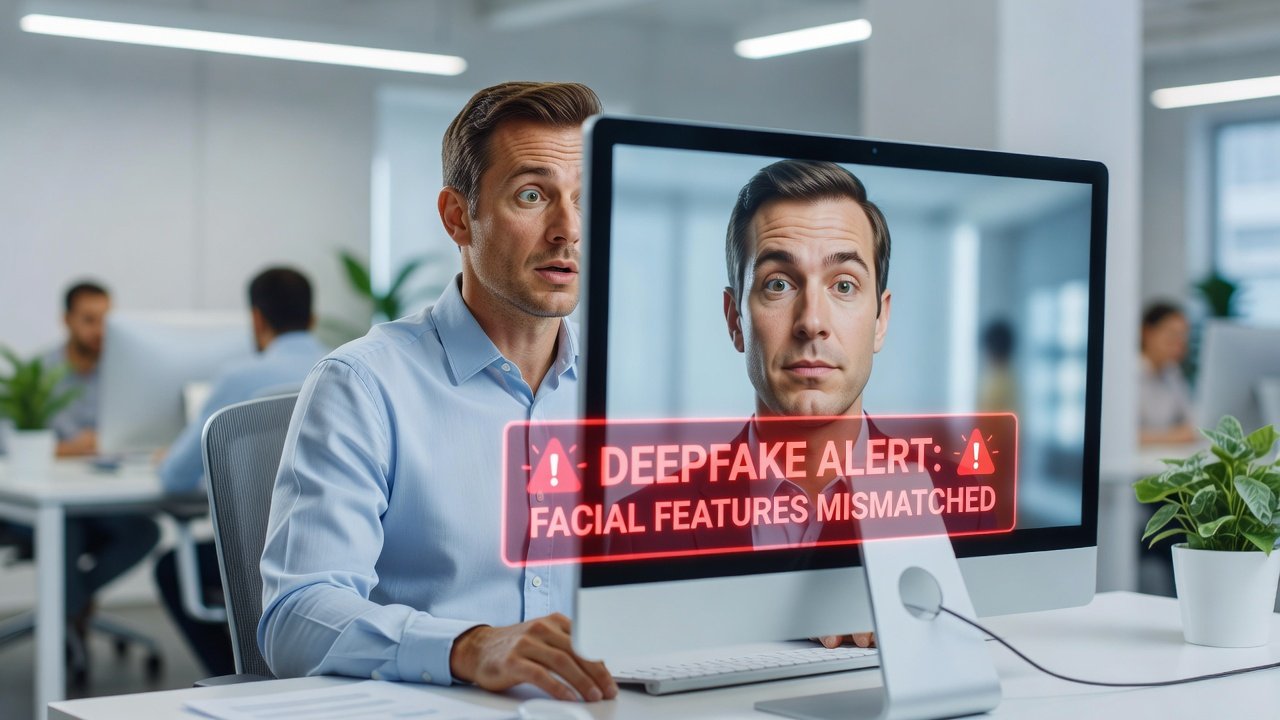
Deepfakes extend beyond video to live calls and documents. Attackers use them to impersonate colleagues during video meetings or forge approval signatures, directly threatening data privacy by extracting sensitive information. In one emerging tactic, real-time deepfake overlays adjust facial expressions to match conversation flow, fooling even high-definition video systems.
Comparisons to Traditional Phishing
Unlike basic email phishing with generic lures, 2026 social engineering uses multi-channel approaches combining email, SMS, and voice. Success rates are higher because AI personalizes content based on social media profiles. Traditional phishing often fails due to spelling errors or mismatched domains, whereas AI versions eliminate these red flags entirely. Organizations must evolve beyond simple spam filters to behavioral training that teaches employees to question unexpected requests regardless of apparent authenticity. Multi-factor authentication helps but can be bypassed if attackers socially engineer the reset process itself.
Step-by-Step Employee Awareness Program Template
Implement this practical template to build resilience across all levels of the organization:
- Conduct baseline assessments of current knowledge gaps through simulated attacks. Run anonymous phishing simulations quarterly and analyze click-through rates by department to identify high-risk groups.
- Develop role-specific modules covering vishing and deepfake recognition. Tailor content for executives who may face targeted impersonation versus general staff who handle routine inquiries.
- Schedule monthly interactive sessions with real-world examples. Use recorded scenarios and group discussions to reinforce recognition skills and encourage reporting without fear of blame.
- Establish reporting protocols with clear escalation paths. Create a dedicated hotline or app where employees can flag suspicious contacts immediately, with rewards for timely reports.
- Measure effectiveness quarterly using metrics like click rates and reporting speed. Track reductions in successful simulations and adjust training intensity accordingly.
- Incorporate ongoing reinforcement through micro-learning emails and posters in common areas. Partner with external experts for annual workshops that introduce the latest AI tactics observed in the wild.
Integrate tools and guidelines from authoritative sources such as the CISA for ongoing updates on emerging threats.
Three Real-World Breach Case Studies
Case 1: A financial firm lost customer data after a deepfake video call tricked an employee into approving a wire transfer. The breach highlighted the need for verification protocols beyond visual cues. The attacker used publicly available footage from earnings calls to train the model, resulting in a $1.2 million loss before detection. Post-incident analysis led to mandatory callback verification using pre-established codes.
Case 2: Healthcare provider data was exposed via AI-pretexted vishing targeting IT support, leading to ransomware deployment. Post-incident reviews emphasized multi-factor authentication tied to identity verification. The attacker posed as a new vendor needing remote access for system updates, referencing internal ticket numbers obtained through prior reconnaissance. Recovery took weeks and affected thousands of patient records.
Case 3: A tech company suffered intellectual property theft through sustained pretexting across email and phone. Lessons included regular audits of communication channels. The campaign lasted three weeks, gradually building rapport with a mid-level engineer who ultimately shared proprietary code under the guise of a job offer discussion. Enhanced logging of all external communications was implemented afterward.
Common Organizational Vulnerabilities and How to Address Them
Many companies overlook hybrid work environments where employees handle calls from personal devices without proper verification tools. Another vulnerability lies in over-reliance on visual or voice cues during remote meetings. To address these, implement mandatory callback procedures for any financial or data requests and deploy AI detection software that flags anomalies in voice or video streams. Regular penetration testing focused on social vectors can reveal gaps before real attackers exploit them.
Frequently Asked Questions
What makes 2026 social engineering different from past threats?
AI enables scale and personalization previously impossible, targeting data privacy at the human layer with adaptive, multi-channel persistence that traditional attacks lacked.
How can small teams start defending effectively?
Begin with free resources from NIST and focus on simulated exercises that gradually increase in complexity.
Are technical controls enough?
No, combining them with awareness training yields the best results against evolving tactics, as human judgment remains the final line of defense.
What role does leadership play in these programs?
Executives must model secure behaviors and allocate budget for continuous training rather than one-time sessions.
Conclusion
Defending data privacy in 2026 requires proactive education and layered strategies against AI social engineering. By implementing the outlined program and learning from past incidents, organizations can significantly reduce risks. Stay informed through trusted outlets like SANS Institute for the latest insights and continuously refine defenses as technology advances.
No comments yet. Be the first!