 NeoBit Daily
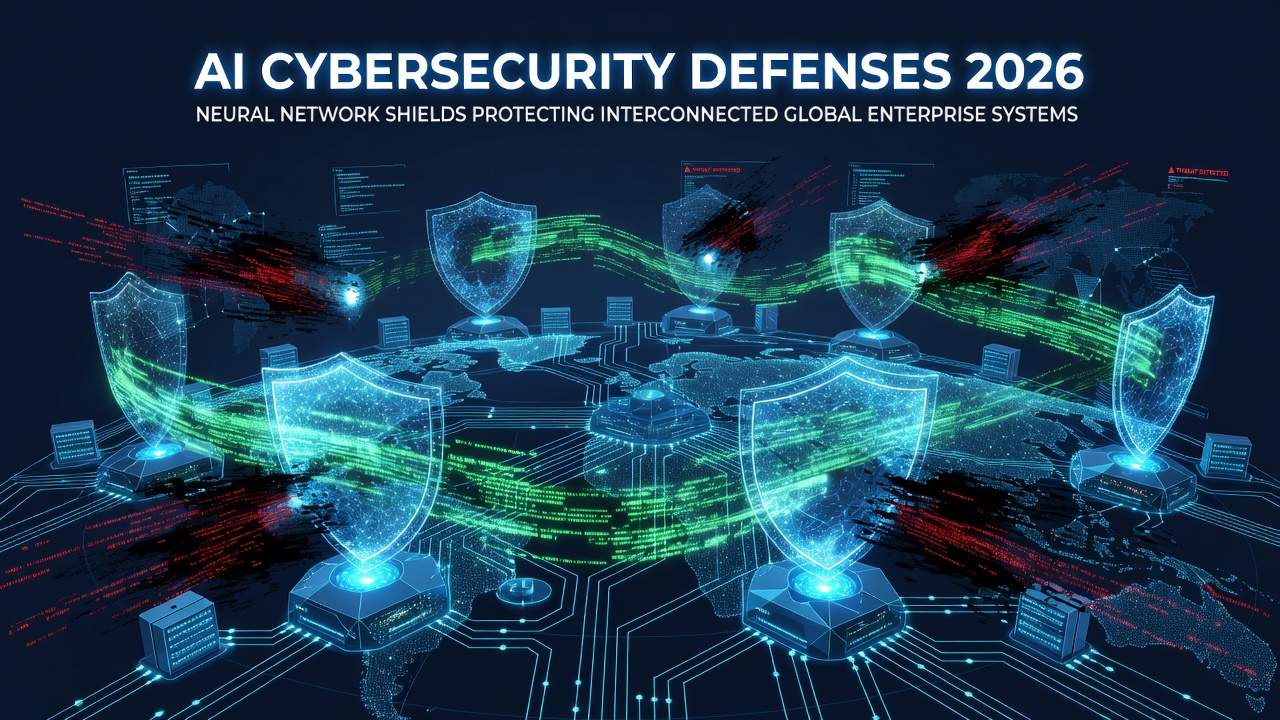
Introduction to AI-Powered Cybersecurity in 2026
The cybersecurity landscape in 2026 continues to evolve rapidly as organizations face increasingly sophisticated threats. AI-driven defenses have moved from experimental pilots to essential components of enterprise security architectures. These tools use advanced machine learning to detect anomalies, predict attacks, and respond in real time, offering significant advantages over traditional methods that rely on static rules and known signatures.
Business leaders searching for updated protection strategies will find detailed comparisons between modern AI platforms and legacy systems, along with practical guidance drawn from recent deployments in finance and healthcare. This article delivers comprehensive coverage to help decision-makers evaluate options and plan effective rollouts across diverse operational environments.
How AI Threat Detection Works in 2026
Modern AI cybersecurity solutions combine supervised and unsupervised learning models to analyze vast volumes of network traffic, user behavior, and endpoint data. Neural networks identify subtle patterns that indicate potential breaches, even when attackers use novel techniques never seen before. Reinforcement learning components allow systems to improve autonomously based on outcomes of previous detections and feedback loops from security teams.
Integration with threat intelligence feeds enhances accuracy by cross-referencing global attack data from multiple sources. As a result, organizations achieve faster mean time to detect and respond, often reducing incident impact by significant margins compared with older signature-based approaches. Additional layers such as natural language processing help parse logs and threat reports for contextual understanding that further refines detection capabilities.
Comparing AI-Driven Platforms vs Legacy Security Systems
Legacy systems excel at blocking known malware through signature databases but struggle with zero-day exploits and polymorphic threats that constantly change form. They generate high volumes of false positives, requiring substantial human oversight and frequent manual updates. AI platforms, by contrast, adapt continuously through behavioral analysis and contextual awareness across hybrid cloud setups.
Key comparison points include detection latency, scalability across cloud and hybrid environments, and ease of integration with existing SIEM tools. Enterprises migrating report lower operational overhead and improved visibility into advanced persistent threats. Decision frameworks often weigh initial setup complexity against long-term reductions in breach-related costs and downtime. Additional factors such as explainability of alerts and vendor support ecosystems play critical roles in selection processes.
- Detection accuracy: AI models reach over 95% in controlled benchmarks versus 70-80% for legacy rulesets.
- Adaptability: AI learns new threats without manual signature updates, reducing response windows dramatically.
- Resource requirements: Legacy tools demand more dedicated analysts for alert triage and ongoing maintenance.
- Scalability: AI solutions handle exponential data growth in multi-cloud deployments more efficiently.
Real-World Case Studies: Finance and Healthcare Sectors
A leading multinational bank deployed an AI-powered behavioral analytics platform across its transaction processing network. The system flagged unusual cross-border payment patterns within seconds, preventing an estimated multimillion-dollar fraud attempt. Security teams credited the platform’s real-time correlation of device fingerprinting and geolocation data for the successful intervention that protected customer accounts globally.
In healthcare, a regional hospital group integrated AI defenses into its electronic health record infrastructure. The solution monitored access logs for anomalous queries by privileged users, uncovering an insider threat attempting to exfiltrate patient records. Automated containment measures isolated affected segments while preserving critical care operations, demonstrating seamless regulatory alignment and minimal disruption to clinical workflows.
Similar successes appear in other verticals, with manufacturers using AI to protect industrial control systems from ransomware that targets operational technology environments, highlighting the broad applicability of these technologies beyond the primary sectors discussed.

Steps for Implementing AI Cybersecurity Defenses
Successful adoption follows a structured methodology that minimizes disruption while maximizing protection gains across the organization.
- Perform a thorough asset inventory and risk assessment to map data flows and identify high-value targets requiring priority coverage, including third-party vendor connections.
- Evaluate vendor solutions based on compatibility with current infrastructure, model transparency features, and support for industry-specific compliance frameworks. Reference guidance from NIST during selection to ensure alignment with established best practices.
- Run a limited-scope pilot on non-production workloads to measure detection performance and tune sensitivity thresholds before broader rollout.
- Develop internal playbooks that combine AI alerts with human review processes, ensuring analysts understand model outputs and escalation paths thoroughly.
- Establish ongoing model retraining schedules using anonymized internal incident data to maintain relevance against emerging attack vectors and evolving business needs.
- Document all processes for audit readiness and conduct regular tabletop exercises simulating AI-assisted incident response scenarios to build team readiness.
Overcoming Common Adoption Challenges
Many organizations encounter resistance related to data privacy concerns when feeding logs into AI engines. Addressing this requires choosing platforms with strong encryption and on-premises deployment options where feasible. Skill gaps among existing security staff can be mitigated through targeted vendor training programs and partnerships with managed detection providers that supplement internal capabilities.
Integration friction with legacy applications often surfaces during pilots; phased rollouts with clear rollback procedures help maintain business continuity. Continuous validation against benchmarks published by CISA ensures sustained effectiveness and identifies areas for refinement over time.
Benefits for Small and Medium Enterprises
Smaller organizations gain from AI defenses through reduced need for large in-house teams and the ability to leverage cloud-native solutions that scale affordably. These tools enable proactive threat hunting that was previously accessible only to large enterprises with substantial budgets, leveling the playing field against sophisticated attackers.
FAQs on Regulatory Compliance and Cost-Saving Tips
How do AI defenses support regulatory compliance?
Built-in logging and explainability modules generate audit-ready reports aligned with frameworks such as NIST Cybersecurity Framework and sector-specific mandates. Automated policy enforcement helps demonstrate due diligence during assessments and simplifies reporting obligations.
What cost-saving strategies work for small businesses?
Small organizations benefit from starting with managed AI security services that require minimal internal infrastructure investments. Prioritizing critical assets and using tiered subscription models allows gradual expansion without large capital expenditures upfront.
Are there specific compliance pitfalls to avoid?
Overlooking data residency requirements when selecting cloud-based AI solutions can create regulatory conflicts. Always verify vendor certifications and conduct privacy impact assessments before full deployment to prevent costly remediation efforts later.
Conclusion
AI cybersecurity defenses are fundamentally reshaping enterprise protection strategies throughout 2026. By understanding technical underpinnings, studying detailed comparisons and case evidence, and following methodical implementation practices, organizations can achieve resilient security postures. Ongoing attention to regulatory developments and measured adoption approaches will continue delivering measurable risk reduction across industries of all sizes.


No comments yet. Be the first!