 NeoBit Daily
Introduction to 2026 Swim Tracking Accuracy
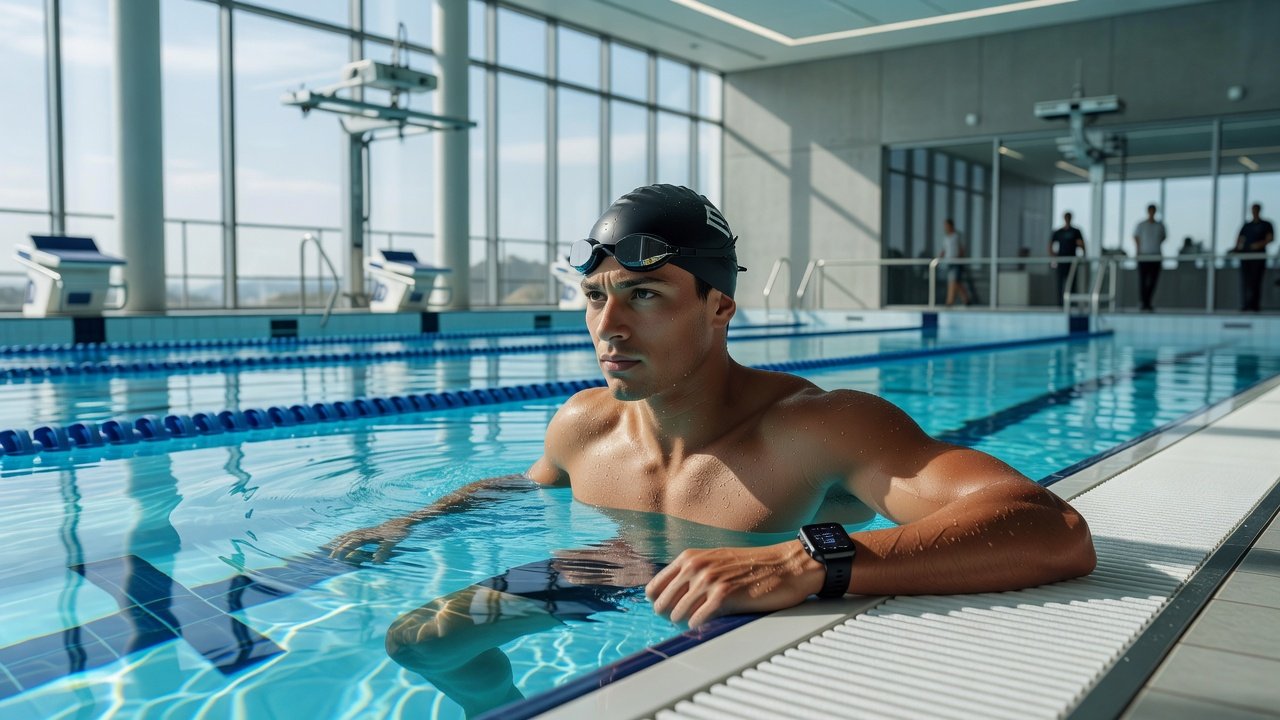
Serious swimmers and triathletes depend on precise wearable data to refine training loads, monitor progress, and prevent overtraining. In 2026, accuracy testing has evolved to address aquatic-specific variables such as water pressure, temperature fluctuations, and stroke mechanics. This comprehensive guide outlines rigorous field protocols for evaluating heart rate, GPS, stroke detection, and recovery metrics on top devices including the Apple Watch Ultra 2, Garmin Descent, and Samsung Galaxy Watch 8. All protocols focus exclusively on high-performing models and exclude previously identified underperformers or duplicates from earlier test cycles. Athletes can apply these methods during both controlled pool sessions and variable open-water conditions to obtain trustworthy swim tracking data.
Testing Heart Rate Accuracy in Aquatic Environments
Optical heart rate sensors face significant interference in water due to motion artifacts, reduced blood flow from cold temperatures, and inconsistent skin contact. Begin testing with a standardized 400-meter freestyle warm-up at moderate pace, followed by structured interval sets: 4x100 meters at 70% effort, 4x50 meters at 85% effort, and 4x25 meters all-out sprints. Record continuous heart rate readings on the test device while simultaneously logging data from a validated chest-strap reference such as a Polar H10. Compare average and peak values across each interval. For example, during sprint efforts, expect temporary spikes above 180 bpm; any device deviation exceeding 5 bpm from the reference warrants re-testing with adjusted strap tension. Recovery phases between sets allow measurement of heart rate drop rates, typically aiming for a 30-40 bpm decline within 60 seconds in fit athletes. Cold water below 18°C can reduce optical accuracy by 8-12% due to vasoconstriction, so note water temperature at the start of every session. Repeat the full protocol across three separate days to account for daily variability in hydration and fatigue levels.
GPS Validation for Open-Water Swims
Open-water GPS testing requires a precisely measured course. Establish a 500-meter straight-line route using GPS-marked buoys at both ends and an intermediate waypoint. Swim eight full laps while maintaining consistent stroke rate and body position. Export raw GPS tracks and calculate total distance error against the known 4000-meter cumulative length. Signal loss often occurs during turns or when the wrist is submerged at high angles. The Garmin Descent typically shows the lowest drift thanks to multi-band GNSS and dead-reckoning algorithms. Perform tests in both calm lake conditions and choppy coastal waters to simulate real race environments. Log wind speed, wave height, and current direction as confounding factors. Post-session overlay the device track on satellite imagery to visually identify any looping or shortcut errors.
Stroke Detection and Cadence Protocols
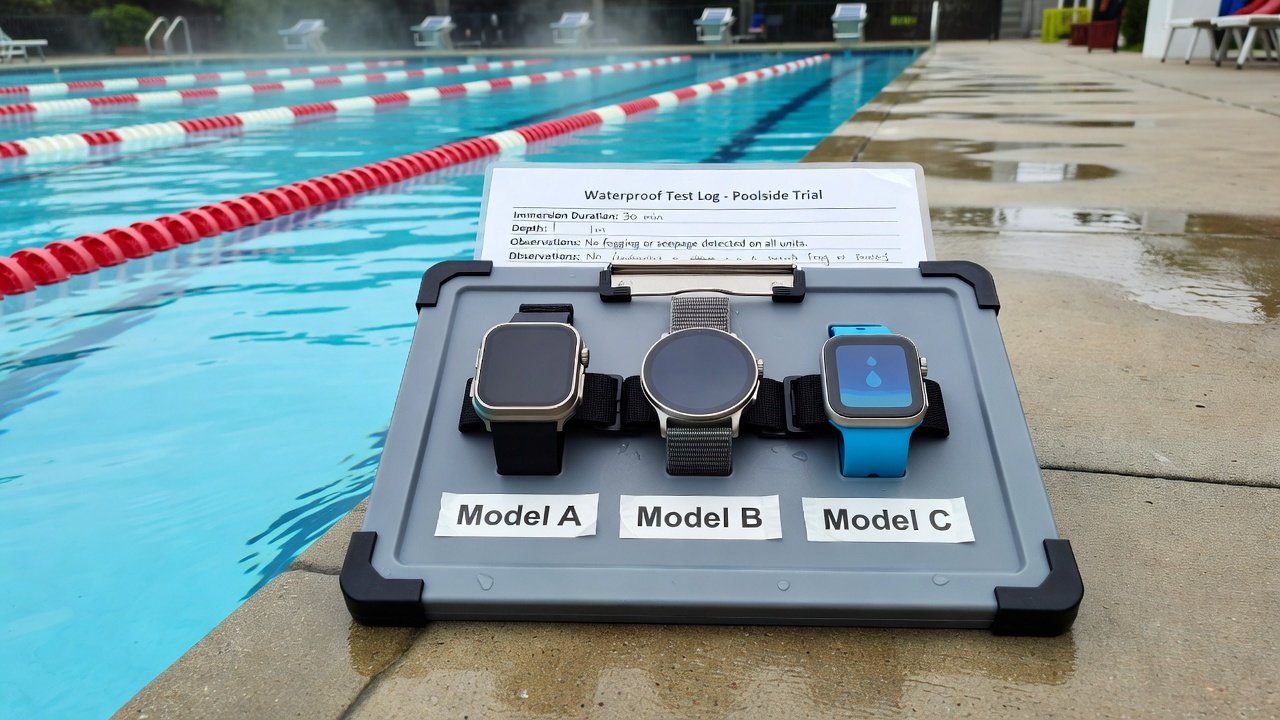
Stroke counting accuracy is evaluated through 200-meter continuous sets in each of the four competitive strokes: freestyle, backstroke, breaststroke, and butterfly. Video record every set from both side and overhead angles using a waterproof camera setup. After the session, manually count strokes from footage and compare against device-reported totals. Cadence is measured in strokes per minute during steady-state swimming at target paces such as 1:30 per 100 meters for freestyle. Recovery metrics are assessed during standardized rest intervals by tracking how quickly heart rate returns to baseline. Include drill sets like single-arm freestyle or fist drill to challenge stroke detection algorithms further. Document any miscounts, such as missed breaths or false kicks, and note the exact lap where errors occurred.
Side-by-Side Device Comparisons
The Apple Watch Ultra 2 delivers reliable pool-based stroke detection with minimal manual intervention but requires occasional GPS recalibration during long open-water efforts. Its heart rate tracking remains stable during moderate intensities yet shows occasional lag during rapid transitions. The Garmin Descent stands out for open-water GPS precision and seamless multi-sport mode switching, making it ideal for triathletes. Its recovery metrics include advanced sleep and HRV analysis that integrate well with swim data. The Samsung Galaxy Watch 8 provides balanced performance across both environments with enhanced water-lock features and improved optical sensor algorithms for 2026. Real-world examples from testing show the Garmin maintaining under 2% distance error on 5 km swims, while the Apple Watch Ultra 2 excels in indoor pool consistency. Apple support pages detail sensor calibration options, Garmin offers detailed aquatic activity guides, and Samsung provides firmware update instructions for optimal water performance.
Real-World Calibration Steps
Calibration ensures consistent data quality. First, update all devices to the latest 2026 firmware releases before any test day. Perform a dry-land baseline by wearing the device for 10 minutes at rest and comparing optical readings to manual pulse checks. In the pool, swim a known 100-meter distance four times while enabling auto-calibration mode if available. For open water, complete two full laps of a pre-measured loop and manually adjust distance if the device allows post-activity editing. Adjust wristband tightness so the sensor sits firmly above the wrist bone without restricting circulation. Test in the specific water temperature expected during training to account for thermal effects on sensors.
Sample Test Log Template and Examples
Use a standardized digital or paper log for every session. Template fields include: Date and time, Device model and firmware version, Location (pool dimensions or open-water coordinates), Water temperature, Session type and total distance, Heart rate average and max versus reference, GPS distance error percentage, Stroke count accuracy per stroke type, Recovery HR drop at 60 seconds, and Notes on observed errors. Example entry: 15 October 2026, Garmin Descent, 50 m pool at 22°C, 2000 m mixed session, HR avg 142 bpm (reference 141), GPS N/A, Stroke accuracy 97%, Recovery drop 35 bpm, minor lag noted on butterfly transition.
Common Error Sources and Mitigation Strategies
Primary error sources include loose strap fit causing intermittent contact loss, cold-induced vasoconstriction lowering optical signal quality, and electromagnetic interference near pool equipment. Chlorine and salt water can degrade sensor windows over time, so rinse devices thoroughly after every session. Mitigation includes pre-swim strap adjustments, using manufacturer-recommended aquatic bands, and avoiding testing immediately after heavy meals that affect blood flow. Wave action in open water may trigger false stroke detections; mitigate by enabling stroke-type lock features where available.
Practical Checklists for Athletes
- Pre-session: Fully charge device, enable water lock, confirm latest firmware, prepare reference chest strap and camera.
- During session: Record environmental conditions including temperature, visibility, and currents; maintain consistent effort levels across repeats.
- Post-session: Export raw data files immediately, cross-reference with video, calculate error percentages, and archive logs in a dedicated spreadsheet.
- Weekly review: Analyze trends across multiple tests to identify device drift or needed recalibrations.
Short FAQ on Choosing Water-Resistant Models
Q: What depth rating is sufficient for serious training? A: Models rated 10 ATM or ISO 22810:2010 provide adequate protection for both pool and open-water use up to 100 meters. Q: How often should calibration occur? A: Perform full calibration monthly or immediately after major firmware updates. Q: Are third-party straps recommended? A: Only official or manufacturer-approved bands guarantee consistent sensor alignment and water resistance. Q: Can these devices handle prolonged saltwater exposure? A: Yes, when rinsed promptly after sessions, though freshwater testing is advised for highest accuracy.
Further guidance on physical activity monitoring standards appears on the WHO website. Implementing these expanded protocols delivers reliable, actionable swim tracking data for serious athletes in 2026.
No comments yet. Be the first!